Donna Summer: The Evolution of the Queen of Disco
Donna Summer was more than just a voice; she was a transformative force in popular music. From her early days in Munich to her coronation as the "Queen of Disco," Summer blended genres and pushed sonic boundaries. Her career is a testament to versatility, moving seamlessly from symphonic rock and soul to the electronic pulses that defined a generation.
Key Facts
- First Female Rock Era Milestone: First female artist of the rock era to have two songs simultaneously in the Billboard Hot 100 top five.
- Chart Dominance: Achieved multiple number-one albums and singles on the Billboard 200 and Hot 100.
- Genre Pioneer: Collaborated with Giorgio Moroder to create the futuristic sound of "I Feel Love."
- Hall of Fame: Inducted into the Rock and Roll Hall of Fame in 2013 and the Dance Music Hall of Fame in 2004.
- Commercial Success: Released several gold and platinum certified albums, including the double-platinum Bad Girls.
1974–1976: The Munich Beginnings and Initial Success
Summer's professional journey began in Munich, where she worked as a part-time model and backing singer. It was here that she met producers Giorgio Moroder and Pete Bellotte at Musicland Studios. This partnership led to her signing with Moroder's Oasis label in 1974. Interestingly, her stage name was born from a typo; a record cover listed her as "Donna Sommer," and the name eventually stuck.
Her debut album, Lady of the Night (1974), leaned toward folk, pop, and symphonic rock. While the album didn't chart, singles like "The Hostage" found success in Europe. A pivotal moment occurred during an appearance on the Dutch show Van Oekel's Discohoek, which helped "The Hostage" break through commercially.
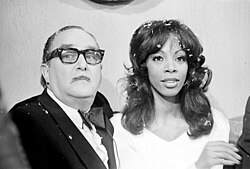
Summer soon achieved massive US success with "Love to Love You Baby." The track peaked at number two on the Billboard Hot 100 and became her first gold-certified single. Despite controversy over its suggestive sounds—which led to bans by the BBC and some US stations—it cemented her status as a rising star. She followed this with gold-certified albums A Love Trilogy and Four Seasons of Love in 1976.
1977–1979: Defining the Disco Era
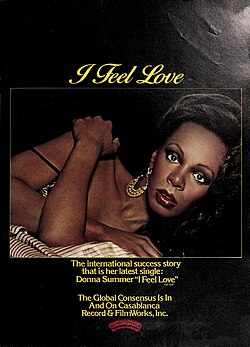
In 1977, Summer released the concept album I Remember Yesterday. The track "I Feel Love" became a landmark in music history, utilizing a futuristic electronic sound that reached number one in the UK and number six in the US. This era saw a string of gold albums, including Once Upon a Time, and established her as a powerhouse in both the US and UK markets.
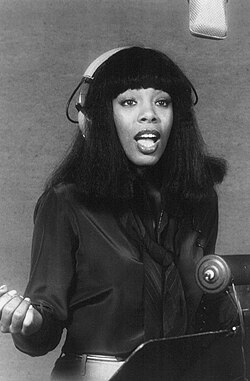
By 1978, Summer reached a historic peak. On November 11, her cover of "MacArthur Park" hit number one on the Billboard Hot 100, while her first live album, Live and More, topped the Billboard 200. This made her only the second solo black female artist to simultaneously hold the number-one single and album in the United States.
1979–1980: The Peak of Bad Girls
Seeking a more aggressive sound to compete with the rise of punk and heavy metal, Summer collaborated with Moroder, Bellotte, and arranger Harold Faltermeyer for the album Bad Girls. Released in 1979, the album was a massive success, blending R&B with a rockier edge.
The singles "Hot Stuff" and "Bad Girls" both topped the Hot 100. Bad Girls became her longest-running number-one album (six weeks) and was certified double-platinum in the US. It remained the most successful album by a black female artist until the 1980s releases of Whitney Houston and Tina Turner.
1980–1985: Transition to Geffen Records
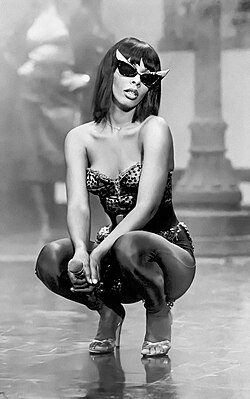
Moving to Geffen Records, Summer explored new wave and rock on The Wanderer (1980). While the title track was a hit, the album's overall success was moderate. Her relationship with Geffen was often strained; the label head famously cancelled a project that later became I'm a Rainbow, believing it wasn't "good enough" and pushing her toward a more R&B-focused sound via producer Quincy Jones.
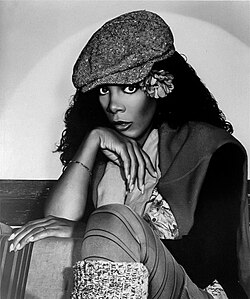
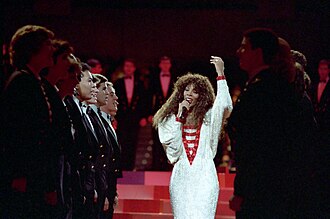
Despite these tensions, Summer continued to earn accolades, including a Grammy for the song "Forgive Me" from the album Cats Without Claws (1984). In 1985, she performed at the 50th Presidential Inaugural Gala for Ronald Reagan.
Later Career and Legacy (1990–Present)
The 1990s and 2000s saw Summer diversifying her work. She ventured into New Jack Swing with Mistaken Identity (1991), appeared as "Aunt Oona" on the sitcom Family Matters, and released her first holiday album, Christmas Spirit, in 1994. In 1999, her Live & More Encore special became one of the highest-viewed shows on VH1.
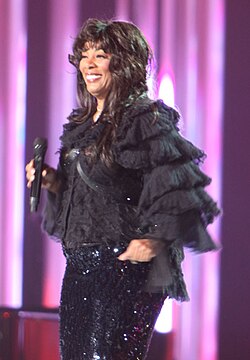
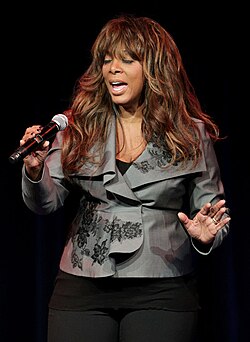
In 2008, she released Crayons, her first album of original material in 17 years, which peaked at number 17 on the US Top 200. Following her passing, her legacy has been preserved through posthumous releases, including the 2013 remix album Love to Love You Donna and the 2023 documentary Love to Love You, Donna Summer.
| Year | Key Release/Event | Achievement |
|---|---|---|
| 1974 | Lady of the Night | Debut studio album |
| 1976 | Love to Love You Baby | First gold-certified single |
| 1977 | I Feel Love | UK Number One; Electronic music pioneer |
| 1979 | Bad Girls | Double-platinum album; US #1 |
| 2013 | Rock and Roll Hall of Fame | Posthumous Induction |
Frequently Asked Questions
How did Donna Summer get her stage name?
Her name was originally spelled "Donna Sommer," but due to a printing error on a record cover, it was changed to "Donna Summer," and she decided to keep it.
What was the significance of the song "I Feel Love"?
"I Feel Love" is regarded as a futuristic track that helped define the electronic dance sound, reaching number one in the UK and becoming one of her most influential works.
Which album was her most commercially successful in the US?
Bad Girls was her most successful, becoming a double-platinum record and spending six weeks at number one on the Billboard 200.
Did Donna Summer win any Grammy Awards?
Yes, she won several Grammys, including the first-ever award for Best Female Rock Vocal Performance for "Hot Stuff" and an award in the inspirational category for "Forgive Me."
When was she inducted into the Rock and Roll Hall of Fame?
Donna Summer was posthumously announced as an inductee in December 2012 and was officially inducted on April 18, 2013.