Domestic Goat: Biology, History, and Global Importance
The domestic goat, scientifically known as Capra hircus, is a versatile and resilient mammal that has played a vital role in human civilization for millennia. As members of the family Bovidae and the subfamily Caprinae, these animals are highly adaptable, capable of thriving in diverse environments ranging from rugged mountains to agricultural plains. From providing essential nutrition to assisting in land management, the domestic goat remains one of the most significant livestock species in the world.
Key Facts
- Scientific Name: Capra hircus
- Life Expectancy: Typically 15 to 18 years
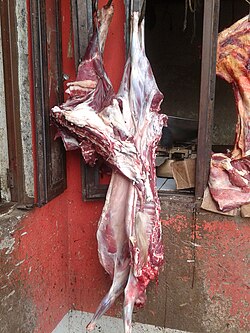
- Global Meat Production: Approximately 6.37 million metric tons annually
- Milk Contribution: Provides about 2% of the world's total annual milk supply
- Primary Uses: Meat, milk, fiber (mohair and cashmere), and land clearing
Biological Characteristics and Diversity
Goats exhibit a wide range of physical characteristics depending on their specific breed. Size and weight vary significantly; for instance, large meat breeds like the Boer goat can feature bucks weighing more than 140 kg (310 lb). In contrast, smaller does may weigh between 20 and 27 kg (44 to 60 lb). At the smallest end of the spectrum are miniature breeds, such as the African Pygmy, which adults stand only 41 to 58 cm (16 to 23 in) tall at the shoulder.
Diet and Behavior
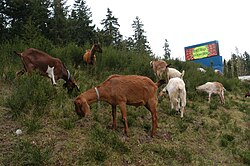
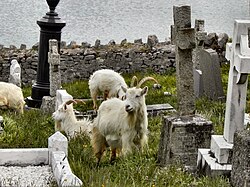
Goats are known for their browsing behavior, often feeding on a variety of vegetation. Their dietary flexibility allows them to consume plants that might be toxic to other livestock. This unique digestive capability makes them excellent candidates for managing invasive plant species and clearing land.
Life Expectancy and Health
On average, a goat lives between 15 and 18 years, though some individuals have been reported to reach 24 years of age. However, certain biological stresses can impact these averages. For example, complications during kidding (the process of giving birth) can reduce a doe's lifespan to 10 or 11 years, while the stresses of the rut (the mating season) can lower a buck's expected life to 8 to 10 years.
Global Agriculture and Production
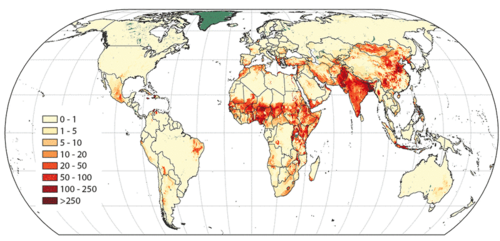
The economic impact of goat farming is felt globally, particularly in milk and meat production. India stands as a major player in the industry, slaughtering approximately 41% of its 124.4 million goats annually, which accounts for 8% of the nation's total meat production.
| Category | Metric/Value |
|---|---|
| Annual Worldwide Meat Yield | 6.37 million metric tons |
| Annual Worldwide Slaughter | 440 million goats |
| Top Milk Producer (2022) | India (6.25 million metric tons) |
| Second Milk Producer (2022) | Bangladesh (0.91 million metric tons) |
| Third Milk Producer (2022) | South Sudan (0.52 million metric tons) |
Dairy and Fiber Production
Dairy goats are highly productive, with an average lactation period of 284 days yielding between 540 and 1,180 kg (1,200 to 2,600 lb) of milk. This milk, which contains between 3.5% and 5% butterfat depending on the breed, is used to create products such as cheese and Dulce de leche. Beyond dairy, goats are essential for fiber production, providing high-quality materials like mohair from Angora goats and cashmere.
Diverse Uses of Goats
Beyond traditional food production, goats serve several specialized roles in modern society:
- Land Clearing: Goats are used as an environmentally friendly method to manage invasive weeds and clear embankments.
- Medical Training: Goats have been utilized in medical training contexts.
- Pets: Due to their intelligence and social nature, some breeds are kept as companions.
Frequently Asked Questions
What is the difference between a kid, a doe, and a buck?
In goat terminology, a kid refers to a young goat, a doe is an adult female, and a buck is an adult male.
How much milk does a dairy goat produce?
On average, a dairy goat produces between 540 and 1,180 kg (1,200 to 2,600 lb) of milk during a 284-day lactation period.
Can goats be used for landscaping?
Yes, goats are frequently used for land clearing and managing invasive weeds, providing an eco-friendly alternative to mechanical clearing.
What are the main products derived from goats?
The primary products include meat, milk (and dairy products like cheese), and fibers such as mohair and cashmere.
How long do domestic goats typically live?
The average life expectancy for a domestic goat is between 15 and 18 years.