Digital and Magnetic Stripe Cards: Evolution and Technology
From the physical plastic in our wallets to the virtual tokens on our smartphones, the way we manage identity and payments has undergone a massive transformation. While we now interact with digital cards—virtual representations of credentials hosted in the cloud—the foundation of this technology lies in the magnetic stripe, a breakthrough that revolutionized the financial and security industries decades ago.
A digital card can exist as a physical memory card or, more commonly since 2017, as a virtual or cloud-based representation of a physical card. These tools are used for identity management, credit and debit payments, and driver's licenses. Unlike traditional magnetic stripe cards, non-physical digital cards can emulate almost any type of card, allowing smartphones and smartwatches to store issuer content and receive wireless updates via the internet.
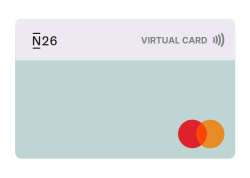
Key Facts
- IBM Invention: The magnetic stripe card was developed by IBM in 1960 as part of a US government security contract.
- The "Iron" Breakthrough: Engineer Forrest Parry discovered that using a clothes iron could bond magnetic tape to plastic cards.
- Standardization: ISO/IEC standards (such as 7810 and 7811) define the physical and data properties of these cards.
- Phase-out: Mastercard announced that magnetic stripes will be entirely removed from its credit and debit cards by 2033.
- Virtualization: Digital cards can be "digital-first," meaning they are created online and may never have a physical counterpart.
The History of Magnetic Storage
The journey began around 1900 when Valdemar Poulsen invented magnetic recording on steel tape and wire for audio. By the 1950s, this evolved into the digital recording of computer data on iron-oxide coated plastic tape. In 1960, IBM adapted this technology to create a reliable method for securing magnetic stripes to plastic cards.
The specific breakthrough occurred in 1969. IBM engineer Forrest Parry struggled to find an adhesive that would secure magnetic tape to plastic without warping the tape or ruining its function. His wife, Dorothea Parry, suggested using a clothes iron to melt the stripe onto the card. This simple domestic solution worked, leading to the mass production of magnetic striped plastic credit and ID cards for banks, hospitals, and insurance companies.
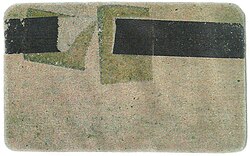
Early Implementations
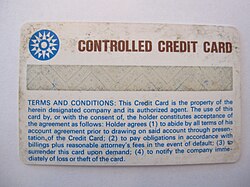
Early versions of these cards varied in design. Some early encoded paper cards used a magnetic slurry paint to apply the stripe, while the first plastic versions sometimes featured the magnetic stripe on the front before it was standardized to the back.
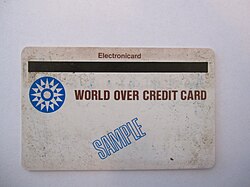
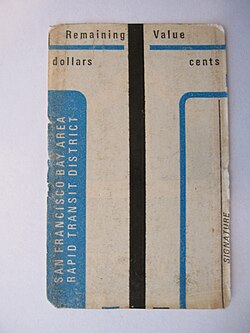
How Magnetic Stripe Cards Work
A magnetic stripe card stores data on a magnetic material attached to a plastic base. This data is read when the card is swiped past a magnetic reading head. While the stripe is the primary data carrier, many cards also include a microchip or a Radio Frequency Identification (RFID) tag—a transponder device used for contactless electronic payments or access control.

Encoding Standards and Tracks
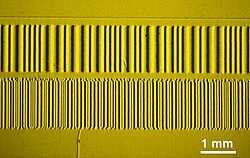
Most magnetic stripes are 0.375 inches (9.5 mm) wide and contain three distinct tracks. Each track stores data at different densities and formats:
- Track 1: Created by the airline industry (IATA). It has the highest density (210 bits per inch) and is the only track that can store alphabetic text, such as the cardholder's name.
- Track 2: Created by the banking industry (ABA). It uses a 5-bit scheme (numeric characters and a few symbols) and is primarily used for account numbers and service codes.
- Track 3: Created by the thrift-savings industry. This track is rarely used by major global networks and is often physically absent.
Financial and Identification Data
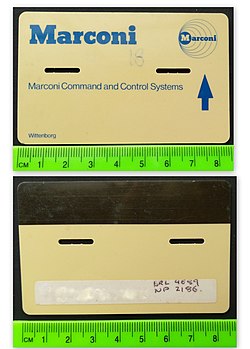
Financial cards use specific formats to ensure global interoperability. Track 1 typically includes a start sentinel, the Primary Account Number (PAN), the cardholder's name, and a service code. Track 2 focuses on the PAN and discretionary data, using a specific set of characters that match the ASCII range 0x30 through 0x3f.
Driver's licenses in the US and Canada also utilize these tracks. Track 1 often stores the state, city, and full name, while Track 2 contains the Issuer Identifier Number (IIN), license number, and birth date. Track 3 may store physical descriptors like height, weight, and eye color, though encoding varies by state.
The Shift to Digital and Virtual Cards
As smartphones and smartwatches became ubiquitous, the industry shifted toward digital representations of cards. This has led to three distinct categories of modern payment tools:
| Card Type | Physical Version | Key Characteristic | Primary Use Case |
|---|---|---|---|
| Digital Card | Yes | Mirrors physical card details exactly. | Mobile wallets (Apple/Google Pay). |
| Virtual Card | No | Exists only in digital format. | Secure online shopping, subscriptions. |
| Digital-First Card | Optional | Created digitally; physical card often lacks printed numbers. | Fintech branding and enhanced security. |
Modern identification is now frequently handled via NFC (Near Field Communication) protocols, where a smartphone uses host card emulation to communicate with a reader by simply being placed nearby.
Security and Vulnerabilities
Magnetic stripes are significantly less secure than modern tokenization (replacing sensitive data with a unique identifier). Because the data on a magnetic stripe is static, it is susceptible to spoofing. At DEF CON 24, researcher Weston Hecker demonstrated how an Arduino and spoofing software could be used to obtain administrative access from hotel keys and Point of Sale (POS) systems by intercepting data from staff members.
Frequently Asked Questions
What is the difference between a virtual card and a digital card?
A digital card is a virtual version of an existing physical card and shares the same details. A virtual card exists only in digital form and has no corresponding physical plastic card.
Why are magnetic stripes being phased out?
Magnetic stripes are less secure than chips and tokenization because the data is static and easier to clone or spoof, making them a liability for financial institutions.
Who invented the magnetic stripe card?
The technology was developed by IBM in 1960, with a key manufacturing breakthrough in 1969 by engineer Forrest Parry and his wife, Dorothea Parry.
What information is stored on a driver's license magnetic stripe?
Depending on the state, it typically includes the license number, full name, address, birth date, and physical characteristics like height and eye color across three different tracks.
What are digital-first cards?
Digital-first cards are issued primarily in a digital format. While a physical card can be requested, it often lacks embossed numbers or names to increase security and allow for better aesthetic branding.