Department of Conservation: Protecting New Zealand's Natural Heritage
The Department of Conservation (DOC), known in Māori as Te Papa Atawhai, is the primary public service agency responsible for safeguarding New Zealand's unique natural and historical heritage. From the rugged alpine peaks to the depths of its marine reserves, DOC manages a vast array of ecosystems to ensure they are preserved for future generations.
To maintain a balance between government policy and public interest, DOC is supported by the New Zealand Conservation Authority (NZCA), an advisory body, and 15 regional conservation boards that facilitate interaction between the department and the local community.
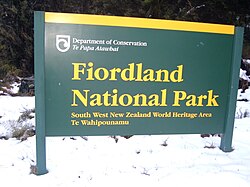
Key Facts
- Established: 1 April 1987.
- Jurisdiction: New Zealand.
- Land Management: Manages approximately 8 million hectares (about 30% of New Zealand's land area).
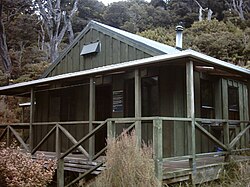
- Infrastructure: Maintains over 1,000 backcountry huts and numerous rugged tracks.
- Headquarters: Conservation House, Wellington (a 5-star rated green building).
- Current Director-General: Penny Nelson.
History and Evolution
The department was created on 1 April 1987, following the passage of the Conservation Act 1987. This legislative move integrated functions from the Forest Service, the Wildlife Service, and the Department of Lands and Survey into a single entity. This consolidation placed all Crown land designated for protection under DOC's management.
The conservation estate—the total area of protected land—includes 13 national parks, maritime parks, marine reserves, and nearly 4,000 other reserves. These areas encompass diverse landscapes such as native forests, wetlands, dunelands, and offshore islands. Since 1997, approximately one-third of this estate has been protected from mining under Schedule 4 of the Crown Minerals Act 1991.
Core Functions and Responsibilities
DOC's mandate is broad, covering everything from high-level ecological preservation to public recreation. A significant portion of its work involves managing family picnic sites and maintaining the infrastructure used by recreational trampers and hunters.
Beyond land management, the department focuses on several critical environmental goals:
- Species Preservation: Saving threatened native species and managing pests and weeds.
- Environmental Restoration: Caring for marine life and assisting private landowners in preserving natural heritage.
- Fire Control: Supporting rural fire control under the direction of Fire and Emergency New Zealand.
- Research Partnerships: Collaborating with organizations like Manta Watch NZ and Conservation International Aotearoa for oceanic manta ray research.
The National Predator Control Programme (NPCP)
A cornerstone of DOC's biodiversity strategy is the National Predator Control Programme. This initiative covers nearly 1.8 million hectares, targeting invasive predators like rats, stoats, and possums that threaten species such as the kiwi, kea, and kōkako.
The NPCP utilizes a combination of ground trapping and aerial 1080 application, particularly during mast years (periods of prolific seed production that cause predator populations to boom). The results have been significant: in 2024, Fiordland tokoeka chick survival rose from 0% (without control) to approximately 60% following predator suppression.
Economic and Social Initiatives
DOC also plays a role in economic recovery. The "Jobs for Nature" project, launched in coordination with other government ministries, aimed to create employment while benefiting the environment. As of June 2023, this program had employed 4,694 individuals across 193 projects, with an estimated investment of NZ$1.19 billion.
Challenges and Controversies
The department's work has not been without friction. Some farmers and industry leaders have argued that DOC is overly biased toward environmentalism at the expense of the economy. Conversely, many credit DOC with successfully reducing possum populations over recent decades.
The agency has also faced significant tragedies and operational hurdles:
- Cave Creek Disaster (1995): A viewing platform collapse resulted in 14 deaths. A subsequent inquiry found the department had acted negligently and was severely underfunded, leading to a total overhaul of safety and asset management procedures.
- Raoul Island Eruption (2006): A volcanic eruption led to the presumed death of DOC worker Mark Kearney.
- Budgetary Pressures: The department has faced several rounds of job cuts, including proposed reductions in 2013, 2024, and 2025 to meet government spending targets.
Agency Summary
| Feature | Details |
|---|---|
| Māori Name | Te Papa Atawhai |
| Land Managed | ~8 million hectares (30% of NZ land) |
| Staffing (2020) | 2,413 FTE staff |
| Annual Budget (2019/20) | $600,588,000 |
| Key Focus Areas | Biodiversity, Recreation, Heritage, Predator Control |
Frequently Asked Questions
What is the primary role of the Department of Conservation?
The Department of Conservation is charged with the conservation of New Zealand's natural and historical heritage, managing approximately 30% of the country's land area for ecological, scenic, scientific, and recreational purposes.
How does DOC handle invasive predators?
Through the National Predator Control Programme, DOC uses ground trapping and aerial 1080 application to control populations of rats, stoats, and possums, particularly during mast years, to protect vulnerable native wildlife.
What happened during the Cave Creek disaster?
In 1995, a DOC-maintained viewing platform collapsed, killing 14 people. The incident led to a Commission of Inquiry that revealed negligence and underfunding, resulting in a complete redesign of the department's safety and asset management systems.
What is the "Jobs for Nature" program?
It is a post-pandemic economic recovery initiative that funds temporary environmental projects to create jobs. As of June 2023, it had employed over 4,600 people across nearly 200 projects.
Who manages the backcountry huts in New Zealand?
The Department of Conservation manages the backcountry infrastructure, including over 1,000 huts used by trampers and hunters across the conservation estate.