Dayton, Ohio: The Gem City and Birthplace of Aviation
Known affectionately as the Gem City, Dayton, Ohio, is a hub of innovation, history, and cultural resilience. Located in Montgomery County, Dayton has evolved from its 1796 founding into a significant urban center recognized globally as the Birthplace of Aviation. From its pivotal role in early flight to its modern status as a center for healthcare and education, Dayton blends a rich industrial legacy with a vibrant contemporary community.
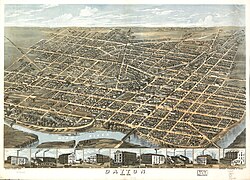
Key Facts
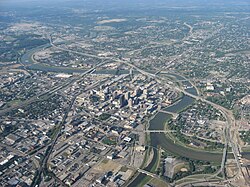
- Founded: 1796 (incorporated as a city in 1841).
- Nicknames: The Gem City, Birthplace of Aviation, and The Land of Funk.
- Population: 137,644 (2020 Census).
- Major Industry: Healthcare, with Premier Health Partners and Kettering Health Network as top employers.
- Education: Home to the University of Dayton and Wright State University.
- Geography: Situated at an elevation of 742 feet in the Miami Valley.
History and Innovation
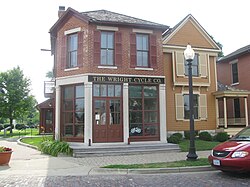
Dayton's history is defined by a spirit of invention. Most notably, it is celebrated as the birthplace of aviation, a legacy preserved today through the Dayton Aviation Heritage National Historical Park.
The city's resilience was tested during the Great Dayton Flood of 1913, one of the most devastating floods in U.S. history, which led to significant infrastructure changes in the region.

Throughout the 20th century, Dayton contributed heavily to the war effort during World War II and later became a site for international diplomacy, hosting peace accords as noted in the memoirs of Richard Holbrooke.
Geography and Climate
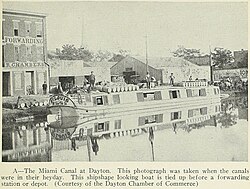
Dayton is located in southwestern Ohio. Its landscape was historically shaped by the Miami and Erie Canal, which played a crucial role in early regional commerce.
The city experiences a temperate climate with distinct seasons. Summers are typically warm and humid, while winters bring cold temperatures and snowfall. According to NOAA data from the Dayton International Airport, the region sees an average annual precipitation of approximately 41.33 inches.
Cityscape and Architecture
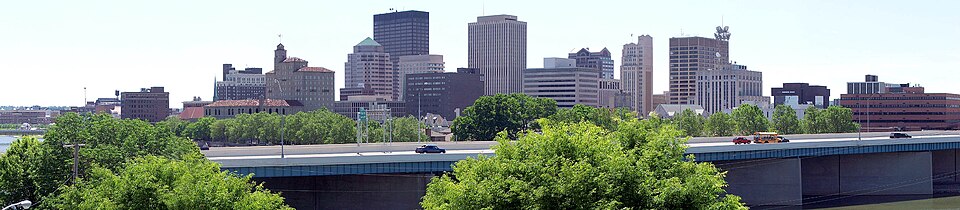
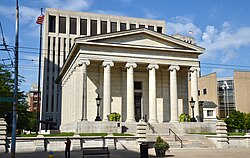
The skyline of downtown Dayton is a mix of historic landmarks and modern high-rises. The Stratacache Tower stands as the city's tallest building, while the Old Montgomery County Courthouse, built in 1847, represents its architectural heritage.

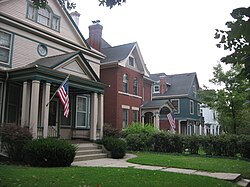
Beyond the downtown core, the Central Avenue Historic District in Grafton Hill showcases the city's residential elegance. The city also boasts world-class facilities like the Benjamin and Marian Schuster Performing Arts Center.

Demographics and Economy

As of the 2020 Census, Dayton's population is 137,644. The city is characterized by a diverse racial composition, with a significant Black or African American population (40.7%) and a growing Hispanic or Latino community (5.7%).
The economy is heavily driven by the healthcare sector. The city's largest employers are primarily medical networks and educational institutions.
| Rank | Employer | Employees (2024) |
|---|---|---|
| 1 | Premier Health Partners | 11,738 |
| 2 | Kettering Health Network | 9,977 |
| 3 | Montgomery County | 4,318 |
| 4 | Dayton Children's Hospital | 4,235 |
| 5 | University of Dayton | 3,200 |
Culture, Education, and Recreation

Dayton is a center for the arts, featuring the Dayton Art Institute and several ballet companies. For sports enthusiasts, the city hosts the Dayton Dragons (baseball) at Day Air Ballpark and the Dayton Flyers (NCAA Division I) at the UD Arena.

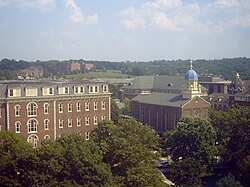
Education is a cornerstone of the community, with the University of Dayton providing a prominent academic presence. The city also supports a wide array of public, private, and charter schools, including the Stivers School for the Arts.
Outdoor recreation is accessible via the Dayton Regional Bike Trail system, encouraging an active lifestyle for residents and visitors alike.
![Dayton Regional Bike Trail Map[159]](/images/c4/2d/c42d3b0b8f076bb3d13b51816a53a5db77b01f09a17f2a13a15952b8bdbba27c.jpg)
Transportation and Connectivity

Dayton is well-connected via the Dayton International Airport and a network of major highways, including Interstates 70 and 75. Route 40 also serves as a primary east-west artery running parallel to I-70.

Frequently Asked Questions

Why is Dayton called the Birthplace of Aviation?
Dayton is recognized as the Birthplace of Aviation due to its deep historical connection to the Wright brothers and the early development of flight technology.
What are the primary industries driving Dayton's economy?
Healthcare is the dominant industry, with major employers including Premier Health Partners and Kettering Health Network, alongside significant contributions from higher education.
What is the significance of the Great Dayton Flood?
The 1913 flood was one of the most destructive in U.S. history, leading to a complete overhaul of the city's flood control systems and infrastructure.
Which universities are located in Dayton?
The city is home to the University of Dayton and Wright State University, both of which are major academic and economic drivers for the region.
What are some of Dayton's most famous nicknames?
Dayton is commonly referred to as the Gem City, the Birthplace of Aviation, and The Land of Funk.