Dansband Music: The Heartbeat of Swedish Dance Culture
Dansband (Swedish pronunciation: [ ˈdânsˌband ]) refers to a specific style of musical ensemble and its associated genre, dansbandsmusik. Primarily developed in Sweden, this music is designed for pair dancing, with a strong emphasis on the foxtrot and jitterbug. While it originated in Sweden, the genre has successfully spread to Denmark, Norway, and the Swedish-speaking regions of Finland.
At its core, dansbandsmusik is a melodic blend of several influences, including schlager (catchy, sentimental pop songs), country, rock and roll, and swing. For bands with a more rock-oriented sound, the primary inspiration is the rock music of the 1950s and 1960s.
Key Facts
- Origins: Coined around 1970 in Sweden as a modern alternative to the traditional "dance orchestra."
- Core Instruments: Features guitar, electric guitar, bass, drums, keyboard, saxophone, accordion, and steel guitar.
- Lyrical Themes: Focuses on love, friendship, peace, dancing, and national romanticism.
- Performance Style: Bands often travel by bus, performing year-round at outdoor venues in summer and indoor venues or cruise ships in winter.
- Sub-genres: Divided into Moget (mature/traditional) and Modernt (modern/pop-influenced).
The Evolution of the Dansband Sound
Stylistic and Cultural Roots
The transition to dansband music began as interest in jazz declined during the 1950s and 1960s, giving way to pop and rock. This period mirrored the development of the showband scene in Ireland, as both regions blended American and British pop, swing, and country into a homegrown sound.
The Golden Era of the 1970s
The 1970s marked the peak of the genre's popularity. During this time, Sweden hosted as many as 800 full-time working bands, including iconic names such as Thorleifs, Flamingokvintetten, Ingmar Nordströms, Wizex, and Matz Bladhs.
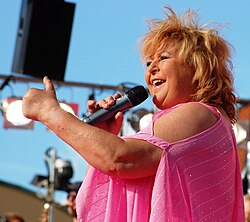
Interestingly, the visual style of the era was influenced by tax laws. Bands often wore extravagant, matched outfits because "fantasy" clothing could be written off as a business expense, as it was deemed unsuitable for everyday wear.
The Disco Challenge and Decline
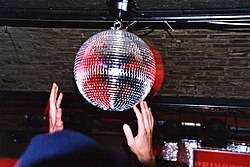
By the late 1970s, the rise of disco—led by global acts like ABBA, the Bee Gees, and Boney M.—created stiff competition. While some groups, such as Sten & Stanley, adapted by performing disco covers, many others disbanded, leading to a period known as "Dansband death." The remaining full-time bands, such as Vikingarna and Matz Bladhs, shifted toward more formal attire, with male members typically wearing suits.
Rebirth and Media Presence
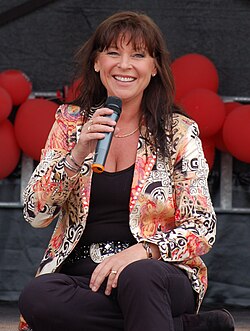
The late 1980s and 1990s saw a resurgence of the genre. Media outlets like Sveriges Radio (with the program "I afton dans") and Sveriges Television brought the music back into the spotlight. This era saw the rise of pop-oriented bands like Arvingarna, who appealed to teenagers, and the continued success of Lotta Engberg.
Musical Characteristics and Structure
Lyrics and Songwriting
Dansband lyrics are typically upbeat. While many focus on romantic love and the idea of growing old together, others touch upon nature, native districts, and old memories. Some artists, such as the Norwegian band Ole Ivars, have introduced humor and social commentary into their lyrics.
In the 1990s, professional songwriters like Lasse Holm, Gert Lengstrand, and Torgny Söderberg dominated the scene, though musicians eventually became more involved in writing their own material.
Genre Classifications
To accommodate an aging audience and evolving tastes, the music is generally split into two categories:
- Moget (Mature): Characterized by slower tempos, easier rhythms, and covers of songs from the 1950s and 1960s.
- Modernt (Modern): Features faster tempos, contemporary pop influences, and recently composed songs.
| Feature | Details |
|---|---|
| Primary Influences | Schlager, Country, Rock 'n' Roll, Swing |
| Key Instruments | Electric Guitar, Bass, Drums, Keyboard, Saxophone, Accordion |
| Main Markets | Sweden, Norway, Denmark, Finland (Swedish regions) |
| Typical Venues | Folkets park, Cruise ships, Town hotels |
| Naming Convention | Often named after the lead singer + "orkester" (orchestra) |
The Role of Media and Charts
For years, the Svensktoppen radio chart was a vital platform for dansbands, dominating the rankings between 1993 and 2002. However, when the chart began allowing non-Swedish languages in 2003, the genre's presence declined in favor of mainstream pop and rock. Similarly, the music was a staple of the television show Bingolotto until 1999.
The genre has also faced challenges with institutional recognition. In 2007, the "Dansbandsupproret" (dansband rebellion) occurred when bands reported Sveriges Radio to the Broadcasting Commission, claiming discrimination due to a decrease in airplay.
Frequently Asked Questions
What is the difference between Moget and Modernt dansband?
Moget refers to the traditional, "mature" style with slower tempos and 1950s/60s covers, while Modernt is a faster, pop-influenced style featuring contemporary songs.
How did tax laws affect the appearance of dansbands?
Because "fantasy" outfits that could not be worn in daily life were tax-deductible, many bands adopted highly extravagant and matched stage costumes during the 1970s.
Which instruments are most common in dansbandsmusik?
The sound is typically built around a foundation of drums, bass, and electric guitar, complemented by keyboards, saxophones, accordions, and steel guitars.
What is the "Dansbandsupproret"?
It was a 2007 "rebellion" where Swedish dansbands reported Sveriges Radio to the Swedish Broadcasting Commission, alleging they were being discriminated against due to reduced radio airplay.
How is the naming of these bands traditionally handled?
Many bands follow the tradition of old dance orchestras by naming themselves after their lead singer or Kapellmeister, followed by the word "orkester" (orchestra). It is also common to replace the possessive "s" with a "z" in the name.