Dairy Products: A Comprehensive Overview of Types, Consumption, and Health
Dairy products encompass a vast array of foods derived from the milk of mammals. From the basic liquid form of milk to complex fermented cheeses and concentrated proteins, these products are staples in diets across the globe. Because of their diverse nutritional profiles and processing methods, dairy products vary significantly in texture, taste, and chemical composition.
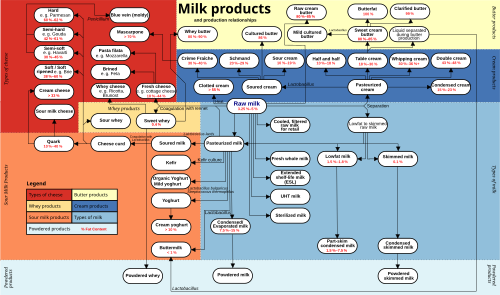
Key Facts
- Global Consumption: Varies from high-consumption countries (over 150 kg per capita) to low-consumption regions (under 30 kg per capita).
- Lactose Content: Highest in liquid milk and lowest in butter and hard cheeses.
- Health Associations: Strong evidence suggests dairy consumption may decrease the risk of colorectal cancer.
- Environmental Impact: The dairy sector is estimated to account for 4% of global human-made greenhouse gas emissions.
Types of Dairy Products
Milk and Concentrated Variants
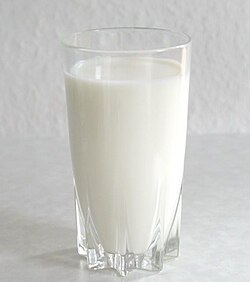
Milk serves as the foundation for all dairy. Beyond standard fresh milk, various processing techniques create specialized versions:
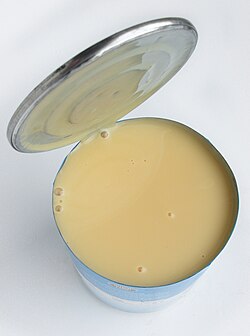
- Evaporated and Condensed: Evaporated milk is concentrated without added sugar, while condensed milk is more concentrated.
- Powdered Milk: Produced by removing water, typically from skim milk.
- Specialized Products: These include Khoa (completely concentrated milk used in Indian cuisine), Dulce de leche, and Infant formula, which is dried powder with specific additives for human infants.
- By-products: Whey is the liquid drained from curds, and Buttermilk is the liquid remaining after churning butter from cream.
Cream and Butter
Cream is the high-fat layer of milk. It can be processed into single, double, or whipped cream. Clotted cream is a thick, spoonable variety made by heating milk, while Smetana and Crème fraîche are fermented versions.
Butter is produced by churning cream to isolate milk fat. Variations include Ghee (clarified butter made by heating and removing solids) and Smen, a fermented clarified butter used in Moroccan cooking.

Fermented Dairy and Yogurt
Fermentation uses bacteria and yeast to alter the flavor and texture of milk. This category includes:
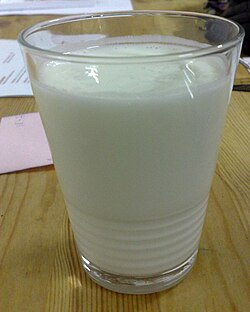
- Fermented Milks: Kefir (from the Northern Caucasus), Kumis (fermented mares' milk), and Clabber (naturally fermented milk).
- Yogurts: A diverse group including Skyr, Lassi (Indian subcontinent), Ayran, and Doogh.
Cheese and Curds
Cheese is produced through coagulation, often using rennet or acid. Types range from Blue cheese and Brined cheese to Ricotta (an acidified whey cheese) and Paneer. Fresh cheeses and curds represent the soft, curdled part of milk used as a base for further cheese production.
Frozen Dairy and Custards
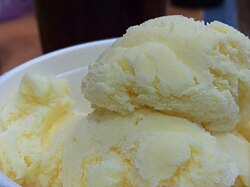
Frozen dairy products vary by fat content and aeration. Ice cream is slowly frozen cream and milk, while Gelato contains less fat and more water. Ice milk is a low-fat alternative, and Frozen yogurt incorporates emulsifiers.
Casein and Milk Proteins
Dairy is also processed into isolated proteins. Casein is the primary milk protein, which can be turned into caseinates (sodium or calcium salts). Other isolates include whey protein concentrates and hydrolysates, which are treated with proteolytic enzymes to change their functionality.
Global Consumption and Lactose Levels
Dairy consumption patterns are split into three primary tiers based on annual per capita intake:
| Category | Consumption Level | Example Regions/Countries | Typical Lactose Level |
|---|---|---|---|
| High Consumption | > 150 kg/year | USA, Canada, Europe, Australia, Pakistan | High (in liquid milk) |
| Medium Consumption | 30 - 150 kg/year | India, Japan, Mexico, Middle East | Moderate (in soft cheeses) |
| Low Consumption | < 30 kg/year | Central Africa, Southeast Asia | Low (in hard cheeses/butter) |
Health and Environmental Considerations
Medical Research
Research indicates that dairy consumption is associated with several health outcomes. There is strong evidence from organizations like the AICR and WCRF that dairy intake decreases the risk of colorectal cancer. Additionally, fermented dairy is linked to a reduced risk of bladder cancer. Other reviews suggest dairy may lower the risk of inflammatory bowel disease and the incidence of tinnitus.
Environmental and Ethical Impact
The environmental footprint of dairy has led to increased avoidance. In the EU, dairy accounts for approximately 27% of diet-related emissions, whereas plant-based milks produce 2.5 to 4.5 times fewer emissions. Globally, the dairy sector is responsible for about 4% of human-made greenhouse gas emissions.
Frequently Asked Questions
Which dairy products have the lowest lactose levels?
Butter has minimal lactose because it is primarily milk fat. Hard cheeses also have very low levels, while soft cheeses contain more lactose than hard varieties.
What is the difference between ice cream and gelato?
Ice cream is made from cream and milk and is slowly frozen. Gelato is also slowly frozen but uses a mixture of milk and water, resulting in a lower fat content than traditional ice cream.
Does dairy consumption affect cancer risk?
Strong evidence suggests that consuming dairy products, particularly fermented dairy, can decrease the risk of colorectal and bladder cancers.
What is the environmental impact of the dairy industry?
The dairy sector is a significant source of greenhouse gases, accounting for roughly 4% of global human-made emissions according to the FAO.
What are caseinates?
Caseinates are sodium or calcium salts of casein, which is the primary protein found in milk.