Cuplé: The Risqué Roots of Spanish Theatre Song
The cuplé emerged in the late 19th century as a provocative and popular style of Spanish theatre song. Derived from the French couplet, the cuplé evolved from a niche, risqué performance art into a mainstream cultural phenomenon that helped shape the early star system of Spanish entertainment.
The Evolution of the Cuplé
Between 1893 and 1911, the cuplé was a staple of the género ínfimo (literally the "lowest type") of cabaret theatre. During this era, the performances were characterized by their risqué nature, often featuring narrative songs lasting two to three minutes. These lyrics typically recounted stories of sexual escapades, lost love, the lives of prostitutes, or the hardships of poverty.
In its early years, the cuplé was performed by solo female singers or men in drag, and the audiences consisted primarily of men. However, by the second decade of the 20th century, the genre underwent a transformation. It adopted a more respectable, family-friendly form, allowing it to move from lowbrow cafes and lyric theaters into the broader Spanish theatre scene.
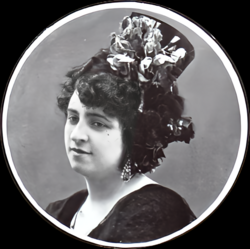
This shift in tone paved the way for the rise of the cupletista (the cuplé singer) as a legitimate celebrity. The genre eventually served as a precursor to the copla, which became prominent in the 1930s.
Key Facts
- Origin: Derived from the French couplet, though distinct from the Spanish poetic forms pareado or dístico.
- Early Era: Associated with the género ínfimo from 1893 to 1911.
- Themes: Early songs focused on risqué topics, poverty, and social marginalization.
- Legacy: Prefigured the 1930s copla and influenced the early Spanish cinema star system.
- Military Connection: The song "El novio de la muerte," performed by Lola Montes, was adapted to become the official hymn of the Spanish Legion.
Notable Cupletistas and Performers
The cuplé was defined by its stars, many of whom were versatile performers acting as dancers, actresses, and vedettes (lead performers in a variety show). Figures like Aurora Jauffret, known as "La Goya," and Lola Montes became icons of the Spanish stage.
| Name | Role/Specialization |
|---|---|
| Aurora Jauffret ("La Goya") | Spanish theatre star |
| Lola Montes | Singer of "El novio de la muerte" |
| Raquel Meller | Diseuse, cuplé and tonadilla singer, actress |
| María Antinea | Actress, vedette, dancer, and tonadillera |
| La Argentinita | Flamenco dancer, choreographer, and singer |
| Celia Gámez | Argentine film actress and theatre icon |
| Bella Dorita | Cabaret singer, dancer, and vedette |
| La Chelito | Cuban-born singer and theatre owner |
Other significant contributors to the genre included Paquita Escribano, Julia Fons, La Fornarina, Úrsula López, Preciosilla, Olga Ramos, Rosita Rodrigo, and Teresita Zazá.
Frequently Asked Questions
What is the difference between a cuplé and a couplet?
While the term cuplé is derived from the French couplet, it is distinct from the Spanish poetic couplet, which is known as a pareado or dístico.
What was the "género ínfimo"?
The género ínfimo refers to the "lowest type" of cabaret theatre popular between 1893 and 1911, where risqué cuplés were performed for predominantly male audiences.
Who sang the hymn of the Spanish Legion?
The song "El novio de la muerte" was performed by the cupletista Lola Montes; after it was adapted, it became the official hymn of the Spanish Legion.
How did the cuplé change over time?
It began as a risqué, narrative song style performed in lowbrow venues and evolved in the second decade of the 20th century into a more respectable, family-friendly theatrical performance.
What did cuplé songs typically talk about?
Early cuplés often focused on narrative stories involving sexual escapades, the trials of poverty, lost love, or the lives of prostitutes.