Cultural Tourism: Experiences, Categories, and Global Impacts
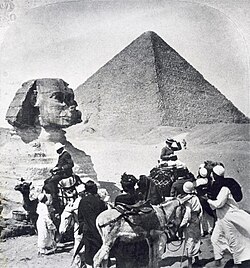
Cultural tourism is a specialized form of travel where the visitor's primary motivation is to learn, discover, and experience the cultural attractions and products of a destination. This encompasses the intellectual, spiritual, and emotional facets of a society, ranging from arts and architecture to culinary traditions, music, and living value systems.
From the grandeur of ancient monuments to the intimacy of local craft workshops, cultural tourism allows travelers to engage with the heritage and lifestyles of diverse populations. In the modern era, this sector has shifted toward providing immersive "experiences" rather than passive observation.
Key Facts
- Core Motivation: The desire to consume and experience the intellectual and spiritual features of a society.
- Diverse Scope: Includes everything from archaeological sites and museums to modern theme parks and sporting events.
- Economic Role: Provides financial incentives for local populations to preserve their cultural heritage.
- Global Frameworks: Organizations like UNESCO promote sustainable urban development through initiatives like the Creative Cities Network.
- Environmental Risk: High tourist traffic can lead to pollution and the physical degradation of historic stone monuments.
Types and Subcategories of Cultural Tourism
Cultural tourism is categorized by both the destination (urban vs. rural) and the specific theme of the journey. These distinctions help destinations diversify their offerings and avoid the pitfalls of mass tourism.
Heritage Tourism
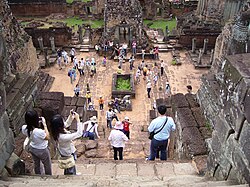
Heritage tourism focuses on sites of significant cultural value, such as archaeological ruins, monuments, and religious sites. Recent trends emphasize the inclusive representation of marginalized groups, supported by updates to the UNESCO World Heritage List.
Arts Tourism
This involves traveling to experience art exhibits, live performances, galleries, and literary sites. While historically more exclusive, there is a growing movement toward making local arts and exhibits more accessible to the general public.
Creative Tourism
Defined by Greg Richards and Crispin Raymond in 2000, creative tourism involves active participation. Instead of just viewing, tourists develop their own creative potential through courses in pottery, painting, language learning, or culinary arts.
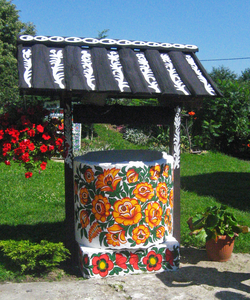
To support this, UNESCO launched the Creative Cities Network in 2004, which, as of January 2020, includes 246 members across seven fields: crafts, digital arts, film, design, gastronomy, literature, and music.
Urban and Rural Cultural Tourism
Urban cultural tourism centers on historic cities, regenerated industrial zones, and waterfront developments, often blending history with modern nightlife and shopping.
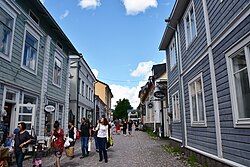
Conversely, rural cultural tourism focuses on village life, agro-tourism, wine trails, and national parks. Many rural areas use these attractions to supplement economies after the decline of primary industries.
Indigenous Cultural Tourism
This is defined as services or products owned and operated, at least in part, by an Indigenous group. While there are concerns regarding the capitalization of Native identity, this sector allows indigenous populations to participate in the global economy on their own terms.
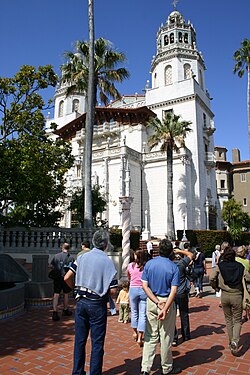
Popular Cultural Tourism
A more recent addition to the field, popular cultural tourism covers mainstream modern attractions, including theme parks, shopping malls, pop concerts, and film sets.
The Impact of Cultural Tourism
The growth of cultural tourism brings a complex balance of economic benefits and environmental challenges.
Positive Contributions
Tourism generates job creation and tax revenue through ticket sales at museums, festivals, and historic hotels. This revenue is often critical for the conservation of sites that lack government funding. Furthermore, it fosters cross-cultural understanding and creates public awareness regarding the need to preserve the built environment.
Negative Consequences
Increased traffic often leads to litter and pollution. In cities like Rome, Paris, and Florence, car exhaust has turned white stone monuments gray or black and accelerated corrosion. Additionally, the influx of tourists can destabilize local economies, increase the cost of living, and disrupt the social fabric of resident populations.
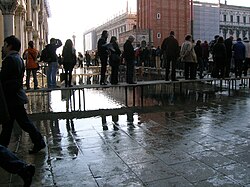
Environmental changes also pose a threat. Rising water levels and severe storms can destroy coastal archaeological sites and heritage gardens.
Summary of Cultural Tourism Categories
| Category | Primary Focus | Examples |
|---|---|---|
| Heritage | Historical significance | Archaeological sites, Museums |
| Arts | Aesthetic expression | Galleries, Concerts, Theater |
| Creative | Active participation | Cooking classes, Pottery workshops |
| Urban | City-based culture | Historic centers, Nightlife |
| Rural | Countryside culture | Agro-tourism, Wine trails |
| Indigenous | Native traditions | Cultural centers, Tribal tourism |
| Popular | Mainstream trends | Theme parks, Sporting events |
Frequently Asked Questions
What is the difference between heritage tourism and creative tourism?
Heritage tourism is primarily about visiting and engaging with sites of historical or cultural significance. Creative tourism requires active participation, where the visitor learns a skill or develops their creative potential through local experiences.
How does cultural tourism benefit local communities?
It provides economic growth through job creation and tax revenue, which can be reinvested into the preservation of the very cultural sites that attract visitors.
What are the environmental risks associated with cultural tourism?
Key risks include pollution from increased traffic, which can corrode stone monuments, and the threat of rising sea levels and storms destroying coastal heritage sites.
What is the UNESCO Creative Cities Network?
Launched in 2004, it is a network of cities that place creativity at the center of their sustainable urban development, spanning fields such as gastronomy, music, and design.
Is popular culture considered part of cultural tourism?
Yes, modern mainstream attractions like theme parks, film sets, and major sporting events are now recognized as having cultural significance and are included under the cultural tourism umbrella.