Cuban Rock History: From Underground Rebellion to Global Stages
The journey of rock and roll in Cuba is a dramatic saga of cultural collision, political repression, and artistic resilience. From its early days as a translated American import to its status as a symbol of ideological defiance, rock has navigated the complex waters of the Cuban Revolution to find its place in the island's diverse musical landscape.
Key Facts
- Early Adoption: Rock and roll arrived in Cuba in the late 1950s, often featuring Spanish translations of US hits.
- Official Ban: Fidel Castro banned rock in 1961, labeling it a corrupt North American influence.
- Street Rock: Groups like Los Vampiros and Los Satélites pioneered "street rock," proving the genre's appeal across racial lines.
- Underground Survival: Despite censorship, rock persisted through amateur bands and clandestine radio programs.
- Modern Era: The 21st century saw a shift toward tolerance, featuring historic concerts by the Rolling Stones and the establishment of John Lennon Park.
The 1950s: The Arrival of the Electric Sound
In the late 1950s, American music began to deeply influence younger generations of Cubans. This era saw the rise of artists who covered American songs translated into Spanish, a trend mirrored in Mexico at the time. While the Batista police viewed rock and roll with suspicion—particularly after the release of rebellious films like Rebel Without a Cause—the music continued to grow.
Los Llopis were pioneers during this period, introducing the electric guitar to Cuba. Their repertoire blended American hits like "Rock Around the Clock" with Cuban rhythms such as pachanga (a Cuban rhythm influenced by Dominican merengue). Other early stars included Luisito Bravo, who achieved massive success with covers of Neil Sedaka and Elvis Presley, selling 500,000 records by 1961.
The 1960s: Revolution and Repression
The 1959 Revolution fundamentally altered the trajectory of Cuban rock. By 1961, Fidel Castro officially banned the genre, viewing it as a tool of North American corruption. This created a paradox, as many international rock artists of the time held leftist ideologies, and the ban contradicted the liberal views of Karl Marx regarding art.
Despite the ban, the music survived. The vocal quartet Los Zafiros found success by blending doo-wop influences from groups like The Platters with ballads and bossanovas. However, groups like Los Astros, influenced by the British Invasion (The Beatles and Rolling Stones), were labeled as "ideological diversionists" and faced severe repression.
In 1963, Castro publicly expressed his contempt for "elvispresliana" music and the wearing of tight blue jeans (pitusas), associating these foreign trends with social deviance.
Amidst this, "street rock" (rock de la calle) emerged. Led by Salvador Terry, bands such as Los Vampiros and Los Satélites—composed primarily of Black musicians—challenged the misconception that rock was exclusively for the white upper class. Their style was closely linked to American Limbo Rock.
By 1966, the government attempted to steer youth toward European Spanish-language music via the radio program Nocturno. While the official ban was lifted that year, rock fans remained marginalized and viewed as counter-revolutionaries.
The 1970s and 80s: Heavy Metal and the Underground
The 1970s saw a slight opening through the radio program Buenas Tardes Juventud, which broadcast tracks by Led Zeppelin, Jimi Hendrix, and The Rolling Stones. A landmark event occurred in 1979 with Havana Jam '79, a three-day festival at the Karl Marx Theater featuring artists like Billy Joel and Stephen Stills.
The 1980s marked the rise of heavy metal and punk. In the municipality of Playa, Roberto Armada founded the pioneering metal band Venus. However, like many of its predecessors, Venus was eventually forced to disband due to government censorship. Meanwhile, punk rock gained a small but dedicated cult following toward the end of the decade.
| Era | Key Characteristics | Notable Artists/Events |
|---|---|---|
| 1950s | US covers, Spanish translations | Los Llopis, Luisito Bravo |
| 1960s | Official ban, "Street Rock" emergence | Los Zafiros, Los Vampiros |
| 1970s | Underground radio, Heavy Metal roots | Havana Jam '79, RED |
| 1980s-90s | Metal and Punk, underground scenes | Venus, Rhodas |
| 2000s+ | International concerts, partial tolerance | Rolling Stones, Manic Street Preachers |
The 1990s to the 21st Century: Opening Up
During the 1990s, rock remained largely underground, though radio shows like Disco Ciudad kept the genre alive. By the late 90s, bands like Burbles and Moneda Dura began appearing on Cuban TV, raising the profile of the genre.
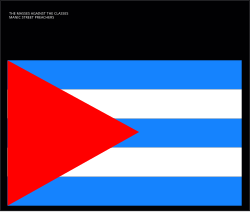
The 21st century brought unprecedented events. In 2001, the Manic Street Preachers performed for an audience that included Fidel Castro. In 2000, a bronze statue of John Lennon was erected in Havana, creating the now-famous John Lennon Park.
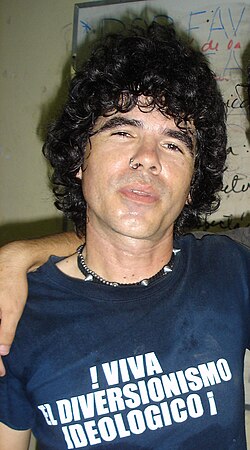
However, this tolerance was often reserved for foreign acts. Domestic artists who expressed political dissent continued to face hardship. Gorki Águila, leader of the band Porno para Ricardo, was arrested in 2008 under "dangerousness" laws, highlighting the ongoing tension between artistic expression and state control.
Recent years have seen historic performances by Audioslave, Sepultura, and the Rolling Stones, the latter of which was documented in the film Havana Moon. Additionally, a new trend emerged in 2013, with several underground metal bands—including Agonizer and Suffering Tool—emigrating to the United States to form a parallel scene.
Frequently Asked Questions
Why was rock and roll banned in Cuba in 1961?
Fidel Castro banned the music because he viewed it as a corrupt North American influence that was incompatible with the values of the new communist state.
What was "street rock" in the Cuban context?
Street rock refers to the movement led by Black and mixed-race musicians, such as Salvador Terry's Los Vampiros, who used a style similar to US Limbo Rock to prove that rock was not just for the white upper class.
Who is Gorki Águila?
Gorki Águila is the leader of the rock group Porno para Ricardo. He became a symbol of the struggle for artistic freedom after being arrested in 2008 under charges of "dangerousness."
Is there a place in Havana dedicated to rock music?
Yes, John Lennon Park in Havana features a bronze statue of the Beatles legend and serves as a gathering point for music fans.
Which major international rock bands have performed in Cuba?
Notable international acts include the Rolling Stones, Manic Street Preachers, Audioslave, and Sepultura.