The Science and Emotion of Crying: Understanding Why We Weep
Crying is a universal human experience, yet it remains one of our most complex biological and emotional phenomena. Whether it is a sudden burst of joy, a quiet sob of grief, or a newborn's first wail, the act of shedding tears serves various roles in our survival, communication, and emotional regulation. But what is actually happening when we cry?
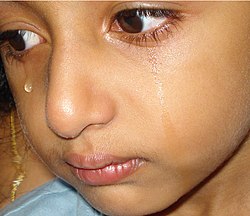
At its most basic level, crying is the dropping or welling of tears in response to physical pain or an emotional state. These states can range from sadness and anger to joy and fear. It can also occur as a release of tension following a period of intense stress or anxiety, or even as an empathetic response to the suffering of others.

The Biology of Tears

To understand crying, we must first distinguish between the different types of tears produced by the lacrimal apparatus—the biological system responsible for tear production and drainage. Scientists categorize tears into three distinct types:
- Basal tears: Produced constantly at a rate of about 1 to 2 microliters per minute, these keep the eye lubricated and smooth the surface of the cornea.
- Reflexive tears: These are produced in response to external irritants, such as smoke or the chemical sting of chopping onions.
- Psychic tears: These are the tears expelled during emotional states.
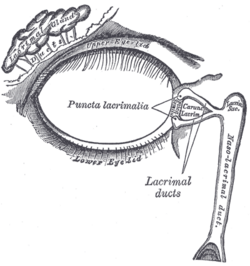
While lacrimation is the general medical term for the shedding of tears (including non-emotional types), emotional crying is a unique "secretomotor phenomenon." Unlike reflexive tears, psychic tears are produced without direct irritation to the ocular structures. Interestingly, the chemical composition of emotional tears differs from other types; they contain higher concentrations of potassium, manganese, and hormones such as prolactin, adrenocorticotropic hormone, and Leu-enkephalin.

The Brain-Tear Connection
Research has established a direct neuronal connection between the lacrimal gland and the regions of the human brain that process emotion. This connection explains why intense feelings can trigger an immediate physical response. Furthermore, the act of crying can induce a "massage effect" on the cheeks, which, combined with the rhythmic nature of sobbing, may help influence mood through hormone release.
Why Do We Cry? Evolutionary and Psychological Theories

The exact function of emotional tears remains a subject of scientific debate. Several prominent theories attempt to explain why humans evolved this specific behavior:
Communication and Empathy
One leading theory suggests that crying serves as a form of nonverbal communication designed to elicit altruistic behavior from others. By signaling distress, crying can prompt social support. Some researchers, such as Carlo Bellieni, suggest that while most animals can cry, humans are unique in their ability to engage in "weeping"—a psychoemotional shedding of tears that induces empathy through the mediation of the mirror neuronal network.

Stress Relief and Homeostasis
Crying may serve a biochemical purpose by helping to relieve stress. There is empirical evidence suggesting that crying lowers stress levels, potentially due to the release of hormones like oxytocin. This could explain why people experience a sense of relief after a period of intense emotion. Some psychologists also view crying as a way to discharge overstimulation, helping the nervous system return to a state of homeostasis (internal balance).
Evolutionary Perspectives
Evolutionary psychologist Paul D. MacLean proposed that the vocal component of crying may have evolved as a "separation cry" to help reunite parents and offspring. He speculated that the link between tears and emotion might be tied to early human history; as humans relied heavily on fire, the frequent reflexive tears caused by smoke may have become psychologically associated with sorrow and loss over time.

Crying Across the Lifespan

Infants and Early Development
For newborns, crying is a vital sign of life. The ability to cry immediately upon delivery signals that the infant can breathe independently and has successfully adapted to life outside the womb. Infants typically begin shedding tears between four and eight weeks of age.
Interestingly, infant cries are not random. Studies show that babies often mimic the pitch contours of their parents' native language—for example, French infants may wail on a rising note, while German infants favor a falling melody. While it is difficult to link specific cry characteristics to a specific cause, researchers have found a correlation between the features of a cry and the level of pain being experienced.
Gender and Cultural Differences
Data from the German Society of Ophthalmology reveals notable differences in how often men and women cry. On average, women cry between 30 and 64 times per year, while men cry between 6 and 17 times. Women also tend to cry for longer durations (averaging six minutes compared to two to four minutes for men) and are significantly more likely to experience sobbing—a state characterized by erratic inhalation, breath holding, and muscular tremors.
Notably, the gap in crying frequency between genders is wider in countries characterized by higher levels of wealth, democracy, and gender egalitarianism. Before adolescence, however, no significant differences between the sexes are observed.
Summary of Crying Statistics and Types
| Category | Type/Group | Primary Function or Characteristic |
|---|---|---|
| Tear Types | Basal | Lubrication and corneal smoothness |
| Tear Types | Reflexive | Response to physical irritants (e.g., onions) |
| Tear Types | Psychic | Response to emotional states |
| Gender Trends | Women | 30–64 times/year; ~6 min duration |
| Gender Trends | Men | 6–17 times/year; ~2–4 min duration |
Frequently Asked Questions
What is the difference between crying and sobbing?
Sobbing is a more intense form of crying that is typically accompanied by specific physical symptoms, including slow but erratic inhalation, occasional instances of breath holding, and muscular tremors.
Can crying be caused by medical conditions?
Yes. Certain conditions can affect tear production or emotional expression. For example, Bell's palsy can cause tears while eating due to facial nerve issues, familial dysautonomia can lead to a lack of tears (alacrima), and pseudobulbar affect can cause uncontrollable episodes of laughing or crying.
Why do some people feel a "lump in the throat" when crying?
This sensation, known as globus sensation, is a common side effect associated with the physiological response to intense emotion and the physical act of crying.
Is crying always a negative experience?
Not necessarily. While often associated with sadness, people also experience "joyful crying." Furthermore, crying can be a positive mechanism for stress relief and emotional regulation, often leaving individuals feeling a sense of relief or resolution.
Do all animals cry emotionally?
While many animals can produce tears, research by Carlo Bellieni suggests that only humans engage in "weeping," which is the psychoemotional shedding of tears used to induce empathy in others.