Cruz Azul: The History and Legacy of La Máquina
Founded on May 22, 1927, Club de Futbol Cruz Azul S.A. de C.V. has evolved from a modest social and cultural club into one of the most storied institutions in Mexican football. Known affectionately as La Máquina (The Machine), the club is deeply intertwined with the Cooperativa La Cruz Azul, reflecting a unique organizational heritage that blends industrial roots with sporting ambition.
From its early amateur days to its current status as a powerhouse in Liga MX, Cruz Azul has experienced dramatic swings of fortune, including eras of absolute domestic dominance and challenging droughts that have only served to strengthen the loyalty of its fanbase.

Key Facts
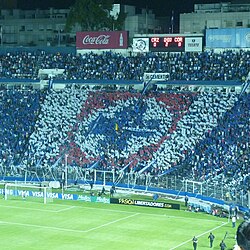
- Founded: May 22, 1927.
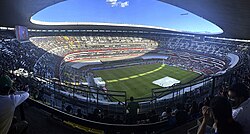
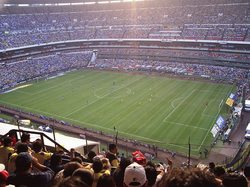
- Home Ground: Estadio Azteca (Capacity: 87,523).
- Ownership: Cooperativa La Cruz Azul.
- All-Time Top Scorer: Carlos Hermosillo (198 goals).
- Most Appearances: Julio César Domínguez (655 matches).
- Current Head Coach: Joel Huiqui.
The Evolution of a Giant: A Historical Timeline
Early Years and Professional Transition (1927–1968)
The club spent its first few decades focusing on amateur success. It wasn't until the 1960s that the organization transitioned toward professionalism. A pivotal moment occurred in 1964 when the club secured its place in the second division, eventually paving the way for its debut in the top flight for the 1964–65 season.
The Golden Era (1968–1980)
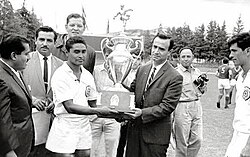
The late 60s and 70s marked the first peak of domestic dominance. During this period, Cruz Azul established itself as a force to be reckoned with, characterized by a disciplined style of play and a roster of legendary figures. This era cemented the club's reputation as a winner in Mexico.

Droughts, Revivals, and International Pursuits (1981–2020)
Following the golden era, the club entered a period of struggle and a major title drought. However, a brief but brilliant revival occurred in the 1996–97 season, where the team achieved a second treble. The subsequent years were a mix of international ambition—including a notable run in the Copa Libertadores—and a frustrating series of runner-up finishes between 2008 and 2013.
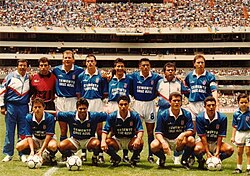
Despite the domestic struggles, the club found success on the continental stage, securing its sixth CONCACAF title during the 2014–2020 window.
Modern Era and Recent Success (2021–Present)
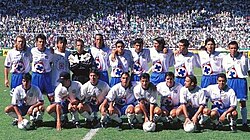
The second major drought finally ended in 2021, ushering in a new era of success. The club continues to compete at the highest level of Liga MX and has recently expanded its trophy cabinet with further CONCACAF Champions Cup titles, including a seventh title claimed in June 2025.
Club Identity and Culture
Symbols and Colors
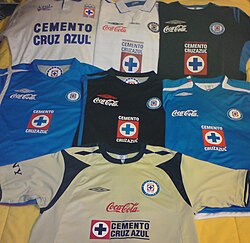
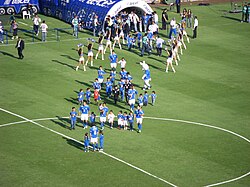
The club is defined by its iconic blue colors and a crest that has evolved numerous times since 1927 to reflect the changing identity of the institution. The hare is the animal used to represent the team, symbolizing speed and agility.

Over the decades, the club has partnered with various kit manufacturers, including Azul Sport, Fila, Umbro, Under Armour, Joma, and Pirma, with current sponsorships featuring brands like Novibet and Cemix.
The Fanbase and Rivalries
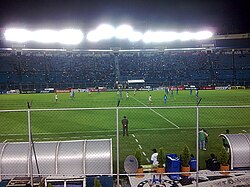
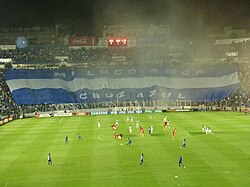
Cruz Azul boasts a passionate following known as Las Celestes. Their support is most visible at the Estadio Azteca, though they have also utilized the Estadio Azul. The club's most intense rivalry is the Clásico Joven against Club América, a match that represents one of the most significant clashes in Mexican football.
Club Statistics and Personnel
Management and Coaching
The club is currently led by President Víctor Velázquez and Head Coach Joel Huiqui. The technical staff includes assistant coaches Juan José Martínez, Facundo Oreja, and Sergio Pinto, supported by a comprehensive sports science and medical team.

Legendary Performers
The history of Cruz Azul is written by its prolific scorers and loyal servants. Carlos Hermosillo remains the gold standard for attackers, while Julio César Domínguez holds the record for the most appearances in the club's history.
| Category | Player | Record | Period |
|---|---|---|---|
| Most Goals | Carlos Hermosillo | 198 | 1991–1998 |
| Second Most Goals | Horacio López Salgado | 133 | 1971–1982 |
| Most Appearances | Julio César Domínguez | 655 | 2006–2023 |
| Second Most Apps | Ignacio Flores | 551 | 1972–1990 |
Frequently Asked Questions
When was Cruz Azul founded?
Cruz Azul was founded on May 22, 1927, originally as Club Deportivo, Social y Cultural Cruz Azul, A.C.
Who is the all-time leading goalscorer for the club?
Carlos Hermosillo is the all-time leading scorer with 198 goals scored between 1991 and 1998.
What is the "Clásico Joven"?
The Clásico Joven is the high-profile rivalry match between Cruz Azul and Club América.
Where does Cruz Azul play its home matches?
The club currently plays its home matches at the Estadio Azteca, which has a capacity of 87,523.
How many CONCACAF titles has the club won?
As of June 2025, Cruz Azul has claimed seven CONCACAF Champions Cup/Champions League titles.