Corvallis, Oregon: A Comprehensive Overview of the Willamette Valley Gem
Nestled in the heart of the Willamette Valley, Corvallis is a vibrant city in Benton County, Oregon, known for its commitment to "Enhancing Community Livability." With a rich history dating back to its founding in 1845, Corvallis has evolved from a territorial hub into a modern center of education, culture, and natural beauty.
Whether you are interested in its role as a former territorial capital, its status as a hub for scientific achievement, or its lush natural landscapes, Corvallis offers a unique blend of academic rigor and community charm.
Key Facts
- Founded: 1845 (Incorporated in 1857)
- Population: 59,922 (2020 Census)
- County: Benton County
- Motto: Enhancing Community Livability
- Metro GDP: $6.035 billion (2023)
- Major Landmark: Oregon State University (OSU)
History and Establishment
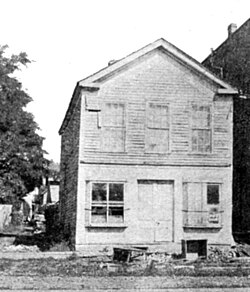
The roots of Corvallis run deep in Oregon's pioneer history. Established in 1845, the city played a significant role in the early governance of the region. In 1855, Corvallis served briefly as the territorial capital of Oregon.
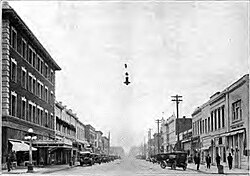
Throughout the 19th and 20th centuries, the city experienced steady growth. Census data shows a significant population surge in the mid-20th century, particularly between 1950 and 1970, as the community expanded and solidified its identity as a key regional center.
Geography and Climate
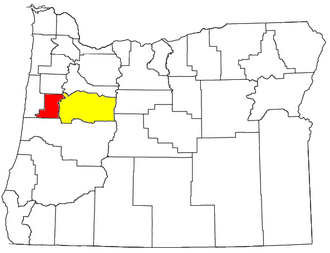
Corvallis is situated at an elevation of 256 feet (78 m) and covers a total area of approximately 14.59 square miles. The landscape is defined by its proximity to the Willamette River and various tributaries, including Mary's River and Oak Creek. The city is part of the larger Albany-Corvallis-Lebanon Combined Statistical Area (CSA), which integrates several surrounding metropolitan and micropolitan components.
Weather Patterns
The region experiences a temperate climate characterized by distinct seasonal variations. Winters are typically cool and wet, while summers are warm and relatively dry. Precipitation is highest during the late autumn and winter months, with December and January often seeing the most rainfall.
| Month | Avg Max Temp (°F) | Avg Min Temp (°F) | Avg Precipitation (in) |
|---|---|---|---|
| January | 47.4 | 34.3 | 6.46 |
| April | 60.9 | 39.5 | 3.29 |
| July | 82.9 | 52.1 | 0.34 |
| October | 65.0 | 42.0 | 3.50 |
Culture, Arts, and Recreation
Corvallis is a cultural cornerstone of the Willamette Valley. The city boasts a diverse array of museums, such as the Corvallis Museum, and numerous art galleries including the Fairbanks Gallery and the Corvallis Arts Center. Annual events like the Da Vinci Days Festival and the Corvallis Celtic Festival bring the community together through art, music, and tradition.
For outdoor enthusiasts, the city provides extensive access to nature. From the Peavy Arboretum to the William L. Finley National Wildlife Refuge, the area is a haven for hiking and wildlife observation. Local parks, such as Riverbend Park and Central Park, offer recreational spaces for residents and visitors alike.
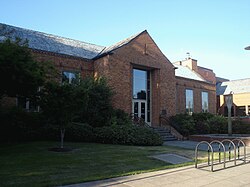
The city's infrastructure supports a high quality of life, featuring robust public services including the Corvallis Transit system and a well-maintained network of bridges and highways like Highway 20 and Highway 34.
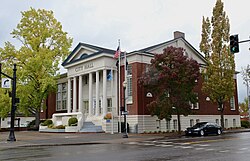
The presence of Oregon State University (OSU) significantly influences the local atmosphere, contributing to the city's intellectual vitality and scenic beauty, particularly when viewed from natural areas like Fitton Green.
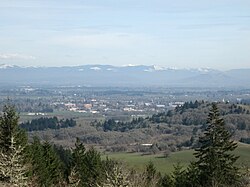
Public transportation is a key component of urban mobility in Corvallis, with the Downtown Transit Center serving as a central hub for the community.
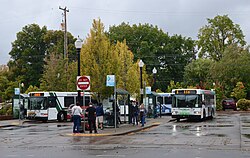
Frequently Asked Questions
What is the primary economic driver in Corvallis?
While the economy is diverse, the presence of Oregon State University and the associated metropolitan economic activity contribute significantly to the $6.035 billion metro GDP.
What is the climate like in Corvallis?
Corvallis has a temperate climate with mild, wet winters and warm, drier summers. Precipitation is most frequent between November and March.
How many people live in Corvallis?
According to the 2020 Census, the population of the city of Corvallis was 59,922.
What are some notable cultural events in the area?
Notable annual events include Da Vinci Days, the Corvallis Celtic Festival, and the Downtown Corvallis Wine Walk.
Is Corvallis a good place for outdoor activities?
Yes, Corvallis offers numerous parks, natural areas, and proximity to forests and wildlife refuges, making it excellent for hiking and nature exploration.