Cornwall: A Journey Through the Rugged Beauty and Rich Heritage of Kernow
Located at the southwestern tip of England, Cornwall—known in the native tongue as Kernow—is a land defined by its dramatic coastline, ancient traditions, and a distinct cultural identity. From the legendary cliffs of Land's End to the historic tin mines that once shaped the global economy, Cornwall offers a unique blend of natural splendor and deep-rooted history.
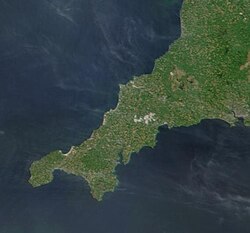
Whether you are drawn by the call of the Atlantic waves, the mystery of Celtic legends, or the charm of its coastal villages, Cornwall stands as a ceremonial county with a character unlike any other part of the United Kingdom.
Key Facts
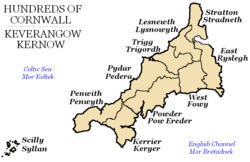
- County Town: Truro
- Largest Town: Camborne
- Population: Approximately 585,655 (2024 estimate)
- Area: 3,562 km²
- Official Language: English and Cornish
- Major Landmark: St Michael's Mount
Geography and Natural Landscapes
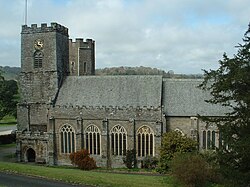
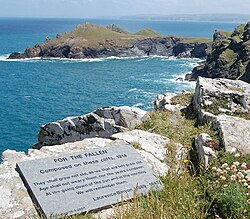
The physical geography of Cornwall is dominated by its extensive coastal areas. The region is famous for its rugged cliffs and stunning beaches, making it a premier destination for outdoor enthusiasts.
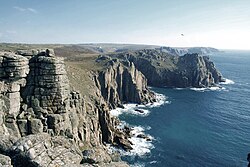
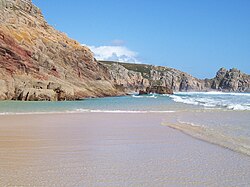
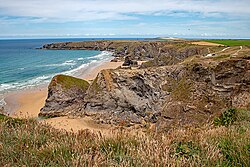
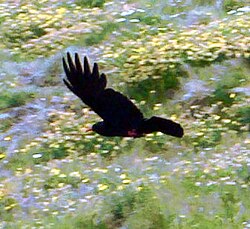
Beyond the coast, the inland areas feature diverse landscapes, including the Lizard Peninsula and various hills and high points. The ecology of the region supports unique flora and fauna, such as the red-billed chough (Pyrrhocorax pyrrhocorax pyrrhocorax), a bird that has seen significant population shifts in recent centuries.
Coastal Activities and Tourism
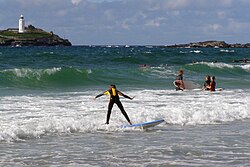
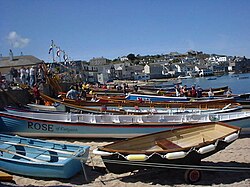
Cornwall's north coast is a renowned center for surfing and watersports. The region also hosts unique maritime traditions, such as the annual world pilot gig rowing championships held in the Isles of Scilly.
A Tapestry of History and Legend
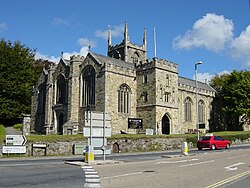
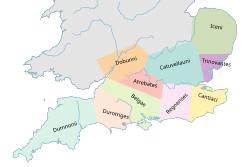
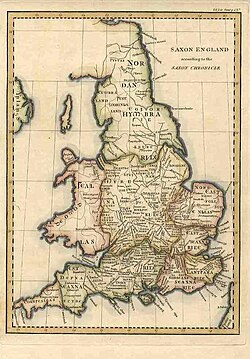
The history of Cornwall stretches back to prehistory, encompassing Roman, post-Roman, and Celtic eras. The region's identity was forged through ancient conflicts, including periods of tension with Wessex, and shaped by the Breton-Norman era.
Castles and Sacred Sites
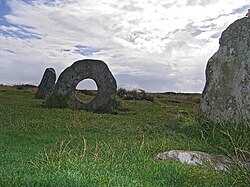
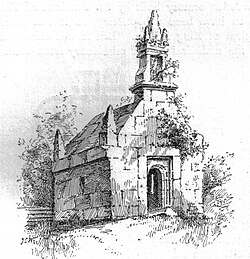
Legendary sites like Tintagel Castle, reputedly the birthplace of King Arthur, draw visitors from around the world. The landscape is also dotted with ancient monuments and holy wells, reflecting the deep influence of Christianity in Cornwall throughout the Middle Ages.
![Remains of Tintagel Castle, reputedly King Arthur's birthplace[108]](/images/f3/2b/f32b1ec6554bfbb7bbffc3fe30db23fc130ffc7a0ffb245b25a60715e566aa47.jpg)
The Mining Legacy
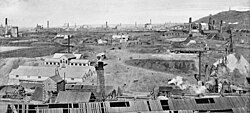
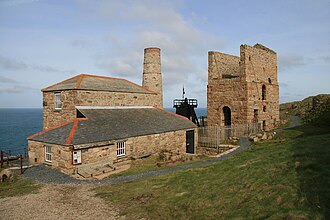
For centuries, Cornwall was a global leader in mining, particularly for tin. This industrial heritage is preserved in sites like the Wheal Coates and the Levant Mine, many of which are part of the UNESCO World Heritage landscape.
Culture, Language, and Identity
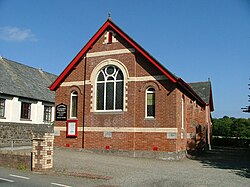
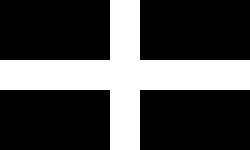
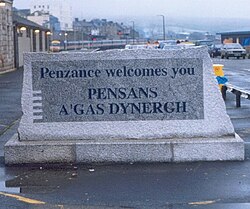
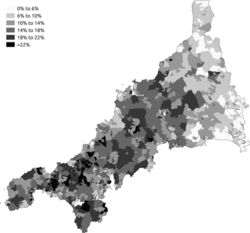
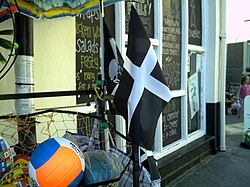
Cornish national identity is a powerful force. The Cornish language has seen a revival, gaining official recognition, and the Cornish flag remains a prominent symbol of local pride.
Arts and Cuisine
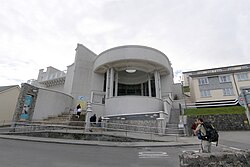
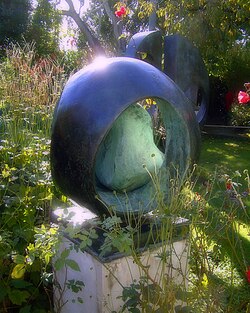
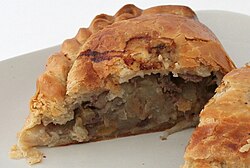
The arts flourish in Cornwall, with world-class galleries in St Ives and a rich tradition of literature and poetry. The local cuisine is equally distinct, with the Cornish pasty being perhaps the most iconic culinary staple.
Administration and Economy
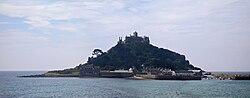
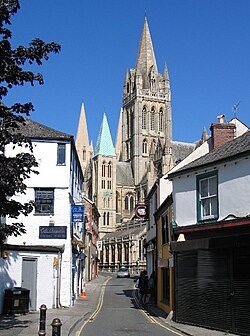
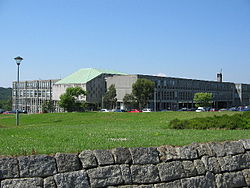
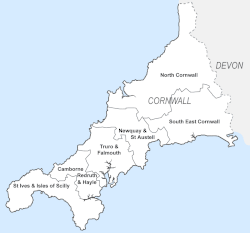
Cornwall is governed by the Cornwall Council, a unitary authority. The administrative center is located in Truro, which is also the county's only city.
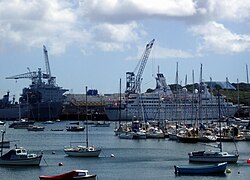
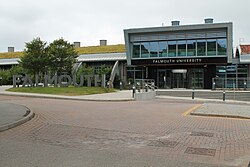
The economy is multifaceted, relying on tourism, fishing, agriculture, and modern sectors like aerospace and internet technology. Falmouth serves as a major port and one of the world's largest natural harbours.
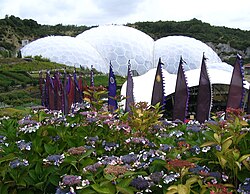
| Category | Detail |
|---|---|
| County Town | Truro |
| Unitary Authority | Cornwall Council |
| Parliamentary Constituencies | 6 |
| Police Force | Devon and Cornwall Police |
| Area | 3,562 km² |
Frequently Asked Questions
What is the difference between Cornwall and Kernow?
Cornwall is the English name for the county, while Kernow is the name used in the Cornish language.
Is Cornwall part of England?
Yes, Cornwall is a ceremonial county located within the constituent country of England, which is part of the United Kingdom.
What is the most famous landmark in Cornwall?
While many exist, St Michael's Mount and Tintagel Castle are among the most iconic and historically significant landmarks.
What is a Cornish pasty?
A Cornish pasty is a traditional savory pastry, a staple of the local cuisine with deep roots in the region's mining history.
Is the Cornish language still spoken?
Yes, the Cornish language has undergone a revival and has received official recognition.