Córdoba: Argentina's Historic Heart of Learning and Culture
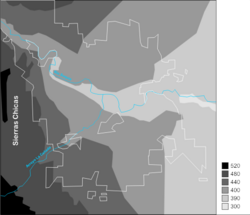
Nestled in the foothills of the Sierras Chicas along the banks of the Suquía River, Córdoba stands as a beacon of history and intellect in central Argentina. Located approximately 700 km northwest of Buenos Aires, it serves as the capital of Córdoba Province and is the second-most populous city in the nation. Known for its blend of colonial charm and modern urban energy, Córdoba is a vital hub for education, government, and culture.
The city is perhaps most famous for its academic legacy. Having hosted one of the oldest universities in the Americas, it earned the nickname La Docta ("the learned"), a title that reflects its enduring commitment to scholarship and intellectual progress.
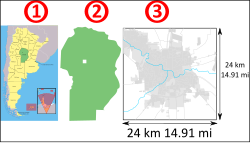
Key Facts
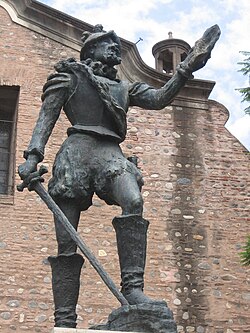
- Founded: July 6, 1573, by Jerónimo Luis de Cabrera.
- Population: Approximately 1.5 million (city) and 2.1 million (metro area).
- Global Status: Home to the UNESCO World Heritage "Jesuit Block and Estancias of Córdoba."
- Academic Fame: Site of the National University of Córdoba, founded in 1613.
- Geography: Situated at an elevation between 352 and 544 meters.
History and Evolution
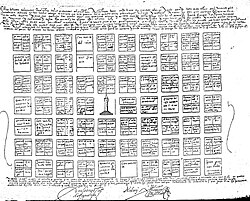
Córdoba was established as a Spanish colonial settlement in 1573, named after the city of Córdoba in Spain. While not the oldest city in Argentina—that honor belongs to Santiago del Estero—it quickly became a primary administrative and religious center for the region.
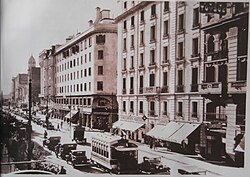
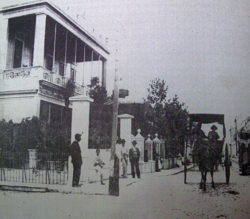
The arrival of the Jesuit Order in the early 17th century transformed the city. In 1613, they founded the National University of Córdoba, which remains a cornerstone of Argentine education today. By the early 20th century, the city began a period of rapid modernization. In 1909, the introduction of an electrified tram system signaled a shift toward contemporary urban planning, accompanied by the creation of new public squares and wide avenues.
A pivotal moment in the city's history occurred in 1918 with the University Reform. This student-led movement began in Córdoba and eventually spread across Argentina, other American nations, and Spain, fundamentally altering the governance and accessibility of higher education.
Geography and Climate
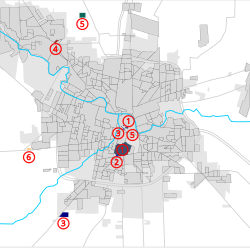
The city is centrally located in Argentina, serving as a bridge between the coast and the interior. Its urban layout is defined by a grid system centered around San Martín Square. The municipal land extends roughly 12 km in each cardinal direction from this center, covering a significant portion of the Colón Department.
Córdoba experiences a varied climate with distinct seasonal changes. Summers are typically hot, with record highs reaching 43.7°C, while winters can be quite chilly, with record lows dipping to -7.1°C. Precipitation is highest in the late spring and early summer months, ensuring the surrounding foothills remain lush.
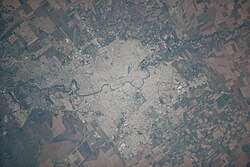
Demographics and Urban Structure
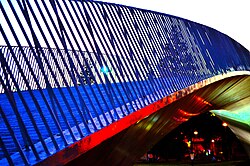
As of the 2022 census, the city population stands at 1,505,250, with a larger metropolitan population of 2,156,788. The city represents about 40.9% of the total population of Córdoba Province. While the city saw explosive growth between 1914 and 1960, the growth rate has stabilized in recent decades.
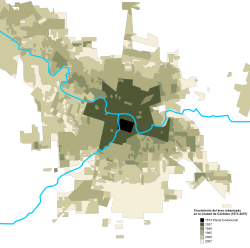
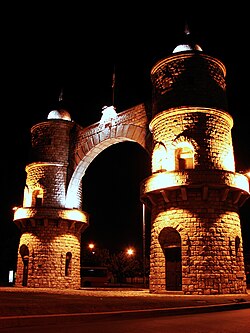
The urban landscape is a mix of historic colonial architecture and modern developments. From the traditional facades of the city center to the expanding residential districts, the city's growth is reflected in its diverse land use and infrastructure.
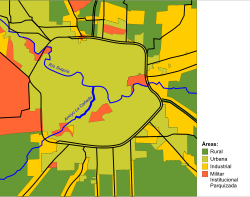
Transportation and Infrastructure
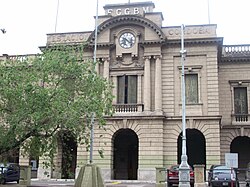
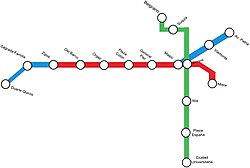
Transportation in Córdoba is primarily managed through an extensive bus network and railway systems. The city is served by key stations including the Córdoba (Mitre) station and the Alta Córdoba station. While a massive US$1.1 billion metro system was signed into law in 2008, the project has been suspended since 2012.
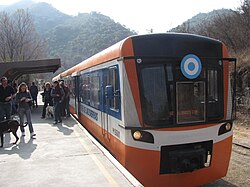
For those traveling to the scenic outskirts, the Tren de las Sierras provides a vital link between the urban center and the surrounding mountains.
Culture, Education, and Landmarks
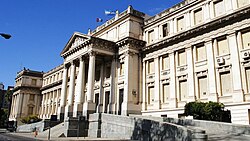
Education remains the heartbeat of the city. The National University of Córdoba, the first in Argentina and the fourth oldest in the Americas, hosts approximately 105,000 students across a vast array of disciplines.
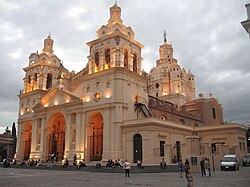
The city's architectural heritage is equally impressive. The Jesuit Block and Estancias are recognized by UNESCO for their cultural significance. Other notable landmarks include the Colonial Cathedral, the Teatro del Libertador, and the Ferreyra Palace.
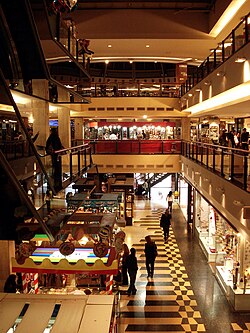
Modern commerce and leisure are centered around sites like the Patio Olmos Shopping Gallery and the green spaces of Tejas Park in New Córdoba.
City Overview Summary
| Feature | Detail |
|---|---|
| Founded | July 6, 1573 |
| Founder | Jerónimo Luis de Cabrera |
| Population (City) | 1,505,250 (2022) |
| GDP per capita (2023) | $23,400 (PPP) |
| Elevation | 352–544 m |
| UNESCO Site | Jesuit Block and Estancias |
Frequently Asked Questions
Why is Córdoba called "La Docta"?
Córdoba is known as "La Docta" (the learned) because it is home to the National University of Córdoba, the oldest university in Argentina and one of the oldest in the Americas, establishing the city as a historic center of academic excellence.
Who founded the city of Córdoba?
The city was founded on July 6, 1573, by the Spanish conquistador Jerónimo Luis de Cabrera, who named the settlement after his home city in Spain.
What is the significance of the 1918 University Reform?
The University Reform was a student-led movement that began in Córdoba and advocated for university autonomy and modernization. It had a profound impact on higher education across Argentina, Spain, and the Americas.
What is the status of the Córdoba metro system?
Although a US$1.1 billion metro project was signed into law in April 2008, the project has been suspended since 2012.
Which UNESCO World Heritage site is located in Córdoba?
The city is home to the "Jesuit Block and Estancias of Córdoba," a cultural site designated by UNESCO in 2000 for its architectural and historical importance.