Contemporary R&B: The Evolution of a Modern Musical Powerhouse
Contemporary R&B is a dynamic popular music genre that emerged from African-American musicians in the late 1970s and early 1980s. By blending traditional rhythm and blues with elements of pop, disco, funk, soul, jazz, blues, electronic music, and hip-hop, it created a sound that would eventually dominate global airwaves. The genre is characterized by a smooth, lush style of vocal arrangement and a sophisticated approach to record production.
One of the most defining technical traits of the genre is the use of melisma—the singing of a single syllable of text while moving between several different notes in succession. While the genre often incorporates the beats of hip-hop or dance music, it typically smooths out the grit and roughness associated with raw hip-hop to maintain its polished aesthetic.
Key Facts
- Origins: Developed in North America during the late 1970s and early 1980s.
- Core Elements: A fusion of R&B, pop, soul, and electronic textures.
- Key Innovations: The introduction of New Jack Swing in the 1980s and Electro-R&B in the 2010s.
- Commercial Peak: Reached massive crossover dominance in the early 2000s.
- Modern Trends: Integration of Trap music and the rise of Latin R&B.
The Foundations and Precursors
The roots of contemporary R&B can be traced back to the progressive soul movement of the early 1970s. Visionaries like Stevie Wonder, Marvin Gaye, and Curtis Mayfield expanded the lyrical and musical boundaries of the era. At Motown, Norman Whitfield pioneered a thicker musical texture by pairing soul vocals with strong backbeats and orchestral sounds. Marvin Gaye's 1971 album What's Going On further pushed the genre toward a looser, jazz-influenced direction.
As the disco era waned in the late 1970s, Michael Jackson and Quincy Jones introduced more electronic elements to create a smoother, dance-friendly sound. Their 1979 collaboration, Off the Wall, is cited as a visionary work that shifted the focus from the disco beat to a rich tapestry of soul, pop, and funk.
By the mid-1980s, the sound evolved further. Janet Jackson's 1986 album Control, produced by Jimmy Jam and Terry Lewis, fused funk and disco with heavy synthesizers and a rap sensibility. Simultaneously, Teddy Riley developed New Jack Swing, a style combining R&B melodies with hip-hop rhythms, which propelled artists like Bobby Brown and Keith Sweat to fame.
The 1990s: Commercial Expansion and Neo Soul
The 1990s saw R&B achieve unprecedented commercial heights. Whitney Houston's The Bodyguard soundtrack became the best-selling soundtrack of all time, selling over 45 million copies. Meanwhile, Mariah Carey and Boyz II Men dominated the charts; their collaboration "One Sweet Day" became the longest-running number-one hit in Billboard Hot 100 history.
The mid-to-late 90s introduced Neo Soul, a movement led by artists such as Erykah Badu, Maxwell, and Lauryn Hill that reintegrated 1970s soul influences into the hip-hop soul blend. This era also saw the rise of influential producers like Timbaland and The Neptunes, who redefined the sonic landscape of the genre.
The 2000s: The Era of Urban Dominance
In the early 2000s, "urban music" became synonymous with pop music. This decade was marked by massive crossover success and the rise of the superstar R&B vocalist. Alicia Keys burst onto the scene in 2001 with "Fallin'", winning three Grammy Awards in 2002.
Usher's 2004 album Confessions became a cultural phenomenon, selling 1.1 million copies in its first week and eventually earning a Diamond certification from the RIAA. The album produced four consecutive number-one singles, including "Yeah!" and "Burn".
![Usher was cited by Billboard as the no. 1 Hot 100 artist of the 2000s decade, with 7 number-one singles that accumulated 42 weeks at the top.[14]](/images/f7/69/f769b6bf2d9b829a1eba1daae659dbd1833e95ec70a105c97d8e87adde519cc9.jpg)
Beyoncé also established herself as a solo powerhouse with Dangerously in Love, which sold over 5 million copies in the U.S. and earned five Grammys.
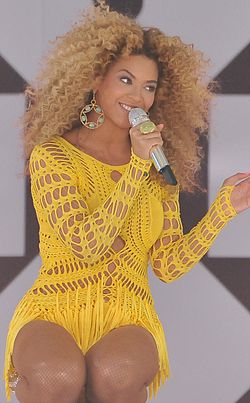
The decade also highlighted the importance of professional songwriters. Figures like Ne-Yo, The-Dream, and Keri Hilson wrote hits for a wide array of artists, including Rihanna and Mary J. Blige, shaping the melodic structure of the era's biggest hits.
![Alicia Keys ranked fifth on Billboard Artist of the Decade list. "No One" ranks No. 6 on the Billboard Hot 100 songs of the decade.[16]](/images/a0/cb/a0cb55e4d83fce0cec739731c2ecedee66cf2dd2bd1e429d4244f72b038d5127.jpg)
The 2010s and the Rise of Electro-R&B
As technology advanced, the genre shifted toward Electro-R&B. This style blends minimal R&B beats with the moodier end of electronic music, utilizing Auto-Tune and computerized synthesizers to create a futuristic atmosphere. While early examples were found in the work of TLC and Destiny's Child, the 2010s saw artists like Chris Brown and Usher fully embrace EDM-oriented sounds in tracks like "OMG" and "Yeah 3x".
Recent years have seen the genre diversify further. The influence of Trap music is evident in the work of Bryson Tiller and Beyoncé's "Drunk in Love". Additionally, Latin R&B has gained global traction, with artists like Alex Rose and Rauw Alejandro blending Spanish-language vocals with R&B and trap elements.
Genre Summary
| Category | Details |
|---|---|
| Typical Instruments | Synthesizers, Akai MPC, Roland TR-808, Fender Rhodes, Bass Guitar, Drums, Saxophone, Trumpet |
| Subgenres | Hip-hop soul, RnBass |
| Fusion Genres | New jack swing, Crunk&B, Latin R&B, Pluggnb, Rhythm & Grime |
| Derivative Forms | Neo soul, Alternative R&B, Afroswing, Nu-funk |
Frequently Asked Questions
What is the difference between R&B and Contemporary R&B?
While traditional R&B is rooted in the early 20th-century rhythm and blues, Contemporary R&B is a modern evolution that incorporates pop, electronic, and hip-hop elements, featuring more polished production and a smoother vocal style.
What is New Jack Swing?
New Jack Swing is a fusion genre developed in the 1980s, primarily by Teddy Riley, that combines the melodic sensibilities of R&B with the rhythmic drive and street sensibility of hip-hop.
What defines the "Electro-R&B" sound?
Electro-R&B is characterized by the use of electronic backbones, computerized synthesizers, and effects like Auto-Tune, blending the moodier aspects of electronic music with minimal R&B beats.
Who were the most successful R&B artists of the 2000s?
According to Billboard, the most commercially successful acts of that decade included Usher, Beyoncé, Alicia Keys, Mariah Carey, Rihanna, Chris Brown, Ne-Yo, and Akon.
What is Neo Soul?
Neo soul is a derivative form of R&B that emerged in the late 1990s, blending hip-hop soul with the organic sounds and influences of 1970s soul music.