City Hall and Town Hall: The Evolution of Municipal Administration
At the heart of every organized community lies a central hub of governance. Whether it is called a city hall, town hall, civic centre, or municipal hall, this building serves as the chief administrative headquarters for a city, town, or municipality. Beyond mere office space, these structures house the local council and the executive offices of the mayor, acting as the operational brain of local government.
In larger metropolitan areas, these buildings often expand in scale and complexity, resembling municipal capitol buildings. While their primary purpose is administrative, they frequently evolve into cultural landmarks that symbolize the identity and pride of their respective cities.
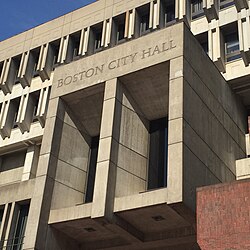
Key Facts
- Oldest Example: The Palazzo Senatorio in Rome, Italy, has served as a town hall since 1144.
- Core Function: Houses the municipal council, mayor's office, and various local government arms.
- Evolution: Many early town halls evolved from medieval market halls that combined commerce on the ground floor with civic rooms above.
- Cultural Role: Modern civic centres often host art shows, festivals, and stage performances to enhance community quality of life.
- Terminology: "City hall" is the primary term in North America, while "town hall" is common across the Commonwealth, regardless of the municipality's size.
The Architecture and Symbolism of Civic Space
Historically, the term "town hall" referred specifically to a single, large open chamber used for council meetings and significant public events. Over time, this term became a synecdoche—a figure of speech where a part represents the whole—meaning the entire building and the government residing within it became known as the "town hall."
Architecturally, these buildings are designed to be distinctive. From the fortified towers of the Middle Ages to the flexible, multi-purpose designs of modern civic centres, the architecture reflects the power and priorities of the local government. Many serve as cultural icons, providing citizens with a tangible point of access to government functions.
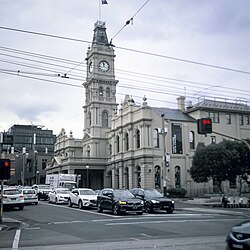
Regional Nomenclature and Variations
The name of a municipal building often depends on the region and the specific status of the local government:
- North America: A clear distinction is typically made between "city halls" (for cities) and "town halls" (for smaller towns).
- Commonwealth Countries: In the UK, Australia, and New Zealand, "town hall" is frequently used even for major cities, such as Sydney Town Hall or Manchester Town Hall.
- United Kingdom Specifics: Some cities use "Council House" (e.g., Birmingham and Nottingham). In Scotland, larger cities use the term "City Chambers," while county administrations may use "county hall" or "shire hall."
- Specialized Terms: The City of London uses the term Guildhall, a name rooted in Anglo-Saxon history signifying a place where taxes were paid. In the Philippines, the term "municipal hall" is common.
![13th-century Old Town Hall in Wrocław, Poland[9]](/images/9a/e2/9ae2179de4a4c7c73fdb5e754cc149e25fa5ad7f2853b3509ea187e2cf5ca23d.jpg)
Historical Development
The concept of the town hall emerged in medieval Europe to provide a public space where representative civic authorities could engage with citizens. This democratic ideal flourished particularly in northern Italy among the merchant cities of the Lombard League.
Many early town halls began as communal market halls. These structures featured a covered marketplace at street level with civic rooms located on the upper floors. As medieval communes rose, councils required dedicated headquarters that included debating chambers, office space, archives for official documents, and fortifications for protection against attack.
Notable historical examples include the Cologne City Hall (1135), the Palazzo Pubblico of Siena (1297), and the Palazzo Vecchio of Florence (1299). These buildings established the standard for European town halls, often featuring tall towers and public clocks to help citizens measure time.
![Palazzo Senatorio, seat of the municipality of Rome, Italy. It has been a town hall since 1144, making it the oldest town hall in the world.[1]](/images/cf/c2/cfc26a18bebd51086859f286aee1ea51b0fe7177bd9480e4fbdad7b6fde382f6.jpg)
The Expanding Role of Municipal Government
During the 19th and 20th centuries, the responsibilities of local governments grew, and so did the utility of their buildings. Town halls began to incorporate reading rooms—which often evolved into separate public libraries—and large pipe organs for public entertainment.
By the 20th century, these buildings became essential hubs for public services, including:
- Voting and elections
- Public examinations and vaccinations
- Disaster relief coordination
- Public information dissemination via noticeboards
In the modern era, many cities have separated these functions, moving routine administrative work into modern office buildings while preserving the traditional town hall for ceremonial and civic purposes.
![A consolidated town hall, police, and fire station in South Palm Beach, Florida[4]](/images/64/24/64248fc8973c82c402ae671fc81e86c7c5ca65bd80061c25620a3e160ff1f125.jpg)
| Region/Context | Common Terminology | Notable Examples/Notes |
|---|---|---|
| North America | City Hall / Town Hall | Distinction based on municipality status |
| UK / Australia | Town Hall / Civic Centre | "Town Hall" used regardless of city size |
| Scotland | City Chambers | Used in larger cities |
| City of London | Guildhall | Anglo-Saxon origin (tax payment site) |
| Philippines | Municipal Hall | Standard administrative term |
Frequently Asked Questions
What is the difference between a city hall and a town hall?
In North America, "city hall" typically refers to the administration of a city, while "town hall" refers to a smaller town. In Commonwealth countries, "town hall" is often used generically for both, regardless of the municipality's size.
What is the oldest town hall in the world?
The Palazzo Senatorio in Rome, Italy, is the oldest town hall in the world, having served as the seat of the municipality since 1144.
Why are some town halls called Guildhalls?
The term "Guildhall" is an Anglo-Saxon name, most notably retained by the City of London, which originally signified a place where taxes were paid.
Do town halls only serve administrative purposes?
No. Many town halls and modern civic centres serve as cultural hubs, hosting art exhibits, stage performances, festivals, and providing space for public voting and vaccinations.
What is a "civic centre"?
A civic centre is a modern term, common in the UK and Australia, for a municipal building designed with flexibility to house both government offices and various community and cultural activities.