Understanding Cistus: A Guide to the Mediterranean Rock-rose
The Mediterranean landscape is home to a diverse array of resilient and beautiful flora, but few are as distinctive as the Cistus genus. Commonly known as rock-roses, these perennial shrubs are a staple of dry, rocky environments. From the shores of Morocco and Spain to the islands of Greece and the Canary Islands, Cistus species have evolved unique ways to thrive in challenging conditions.
Whether they are found in the wild or used as ornamental garden flowers, these plants are celebrated for their showy blooms and remarkable ability to endure heat and drought. In this article, we will explore the biology, classification, and fascinating survival mechanisms of this unique genus.
Physical Characteristics and Appearance
Cistus species are primarily recognized by their striking flowers and hardy foliage. The flowers are typically showy, featuring five petals that range in color from pure white to deep purple and dark pink. Some species even display a distinctive dark red spot at the base of each petal, adding a splash of contrast to their appearance.
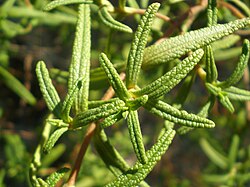
The leaves of these shrubs are generally evergreen, meaning they remain green throughout the year. They are typically simple, arranged in an opposite pattern on the stem, and measure between 2 and 8 cm in length. Many species have a slightly rough surface, which helps them manage their environment. In certain species, such as Cistus ladanifer, the leaves are coated in labdanum, a highly aromatic resin that provides both scent and protection.
Taxonomy and Evolutionary Clades
In biological classification, Cistus belongs to the Cistaceae (rockrose) family. While many different names have been used for these plants historically—such as Halimium or Ladanum—modern science treats Halimium as a synonym of Cistus. The genus contains approximately 34 recognized species, along with a significant number of natural hybrids.
Recent molecular phylogenetic analyses—the study of evolutionary relationships through genetic data—have revealed that Cistus species are divided into two distinct clades (groups of organisms believed to have evolved from a common ancestor). These two groups are defined largely by their flower color:
- The Purple Pink Clade (PPC): This group consists of species that produce purple and pink flowers.
- The White or Whitish Pink Clade (WWPC): This group includes species with white flowers or, in the case of Cistus parviflorus, pale pink flowers.
Ecological Adaptations and Survival
Cistus species are thermophilous, meaning they are heat-loving plants that require open, sunny locations to flourish. To survive the intense Mediterranean summers, they have developed several specialized adaptations to resist drought and frequent environmental disturbances.
One of their most remarkable traits is that they are pyrophytes. These are plants that have evolved to rely on fire as part of their life cycle. Some Cistus species emit volatile essential oils that make the plants highly flammable, which can actually promote spontaneous combustion. This strategy allows the plants to benefit from the cleared space and reduced competition that follows a fire, as their seeds are specifically resistant to heat and can germinate once the fire has subsided.
Furthermore, Cistus plants utilize mycorrhizae—symbiotic associations between plant roots and fungi—to thrive in poor, sandy, or rocky soils. They can form both ectomycorrhizas and arbuscular mycorrhizae, often associating with various fungal species, including those related to truffles. This relationship helps the plants absorb nutrients more effectively in nutrient-poor environments.
The genus also plays a role in local food webs. The larvae of certain Lepidoptera (moths and butterflies) species use Cistus as a food source. Additionally, the genus serves as the sole host for Cytinus hypocistis, a small parasitic plant that lives on the roots of the Cistus, though this relationship does not appear to harm the host population.
Cultivation and Gardening
For gardeners, Cistus species are excellent choices for sunny, Mediterranean-style landscapes. They perform best in nearly frost-free climates. While many species are hardy, Cistus laurifolius is noted for being particularly resilient to cold; it famously survived a severe frost at the Royal Botanical Gardens, Kew, in 1895 that destroyed most other Cistus varieties.
Because of their beauty and hardiness, many hybrids and cultivars have been developed for ornamental use. Some of these have even received the Royal Horticultural Society's Award of Garden Merit, signifying their reliability and quality in a garden setting.
| Species Name | Common Name/Note | Primary Clade |
|---|---|---|
| Cistus ladanifer | Gum Rockrose (produces labdanum) | WWPC |
| Cistus albidus | Common rock-rose | PPC |
| Cistus laurifolius | Hardiest species for cultivation | WWPC |
| Cistus monspeliensis | Montpellier Cistus | WWPC |
| Cistus parviflorus | Pale pink flowering species | WWPC |
Key Facts
- Genus: Cistus (part of the Cistaceae family).
- Common Names: Rock-rose or gum cistus.
- Habitat: Dry, rocky, sunny Mediterranean regions.
- Species Count: Approximately 34 species.
- Survival Strategy: Pyrophytes (fire-adapted) and thermophilous (heat-loving).
- Key Feature: Many species produce aromatic resins like labdanum.
Frequently Asked Questions
What are the common names for Cistus?
The most common name is the rock-rose. Species that produce significant amounts of resin, such as Cistus ladanifer, are also referred to as gum cistus.
Where do rock-roses grow naturally?
They are native to the Mediterranean region, spanning from Morocco and Spain through Italy and Greece to the Middle East, as well as the Canary Islands.
How do Cistus plants survive in such dry environments?
They use several strategies, including forming symbiotic relationships with fungi (mycorrhizae) to help with nutrient absorption and developing thick, often resinous leaves to manage moisture.
Are Cistus plants fire-resistant?
Actually, many are pyrophytes, meaning they are adapted to fire. They can even promote flammability through volatile oils, which helps clear competing vegetation and allows their fire-resistant seeds to germinate in the aftermath.
Can I grow Cistus in a home garden?
Yes, they are popular garden plants, especially in sunny, Mediterranean-like climates. If you live in a cooler area, Cistus laurifolius is recommended due to its higher frost hardiness.