Cinema of Brazil: A Journey Through History, Art, and Industry
The Cinema of Brazil is a vibrant reflection of the nation's complex social, political, and cultural landscape. From its humble beginnings in the early 20th century to its current status as a global artistic contender, the Brazilian film industry has navigated a turbulent path of growth and decline. Much of this trajectory has been shaped by a heavy reliance on state funding and government incentives, leading to distinct eras of cinematic production.
Key Facts
- UNESCO Recognition: Brazil is the only country with three UNESCO Film Cities: Santos (2015), Penedo (2023), and São Paulo (2025).
- Global Achievement: The film I'm Still Here won the Academy Award for Best International Feature Film in 2025.
- Market Reach: As of 2024, Brazil operates 3,530 cinema screens.
- Industry Giants: Universal (20.8%) and Disney (17.3%) are the leading film distributors in the country.
- Historical Milestone: Fernanda Montenegro was the first Brazilian actress nominated for the Academy Award for Best Actress (for Central Station).
The Early Era: From Silent Films to the Golden Age
Brazilian cinema began shortly after the Lumière brothers' invention. In 1898, Affonso Segreto is credited with filming Guanabara Bay from the ship Brésil, though no copy of this footage survives. Between 1900 and 1912, the industry experienced an early boom, producing over 100 films annually. This period, often called the "golden age," saw the rise of popular works like Antonio Leal's Os Estranguladores (1908).
Early productions were largely the work of passionate individuals rather than commercial studios. Common genres included "posed" films—reconstructions of recent crimes—and "sung" films, where actors dubbed themselves from behind the screen. However, this era was marked by a significant lack of Black representation, mirroring colonial social structures and the use of "redface" in Brazil, similar to "blackface" in the United States.
By 1928, Hollywood dominated the market, accounting for 85% of exhibited material and making Brazil the third-largest foreign market for American films.
The Mid-Century: Atlântida, Vera Cruz, and Cinema Novo
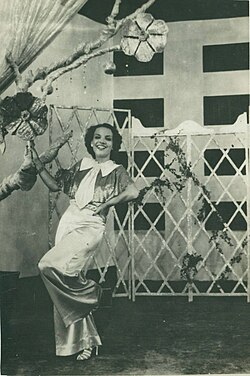
The 1940s and 1950s were dominated by Atlântida Cinematográfica, which specialized in chanchadas (musical comedies). These films featured stars like Oscarito and Grande Otelo, who brought a level of diversity to the screen that resonated with the general public, even if intellectual elites dismissed them as too commercial.

Simultaneously, the Vera Cruz studio attempted a more polished, commercial approach inspired by Italian cinema. While it produced hits like O Cangaceiro, the studio eventually went bankrupt. This commercialization sparked a counter-movement known as Cinema Novo (New Cinema). Led by directors such as Glauber Rocha, Nelson Pereira dos Santos, and Carlos Diegues, Cinema Novo focused on social realism and political critique.

Marginal Cinema and the "B Movie" Boom
In the late 1960s, a "marginal cinema" (or udigrudi, a play on "underground") emerged from São Paulo's Boca de Lixo area. This era produced provocative works like Rogério Sganzerla's O Bandido da Luz Vermelha and the horror films of José Mojica Marins (Zé do Caixão). The 1970s also saw the rise of pornochanchada—sex comedies that avoided explicit depictions but drew large crowds, often funded by theater owners to meet national film quotas.
The Retomada and Contemporary Cinema
The early 1990s saw a near-total collapse of production due to the removal of state funding under the Fernando Collor government. However, the mid-90s brought the Retomada (the return), sparked by new incentive laws. The 1995 film Carlota Joaquina - Princess of Brazil is widely considered the catalyst for this revival.
This era propelled Brazilian cinema back onto the world stage with Academy Award-nominated films such as Central Station and City of God.

Modern Brazilian cinema continues to balance social criticism with audience-friendly narratives. The influence of Rede Globo, through its production arm Globo Filmes, has brought commercial success to many projects, though some independent filmmakers avoid the system to maintain artistic autonomy.
The Domestic Market and Infrastructure
The landscape of movie-going in Brazil has shifted dramatically. Since the 1970s, small independent theaters have declined, replaced by multiplexes located in shopping centers. Factors such as the rise of high-quality telenovelas and increasing ticket prices have made cinema less accessible to lower-income audiences.
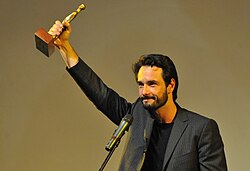
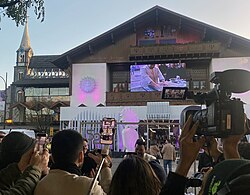
Despite these challenges, film festivals remain vital hubs for the industry, fostering the production and circulation of contemporary works.

| Category | Metric | Value |
|---|---|---|
| Feature Films Produced | Total | 129 |
| Film Genres | Fictional / Documentary / Animated | 79 / 50 / 26 |
| Admissions | Total / National Films | 172.9M / 22.5M (13%) |
| Gross Box Office | Total / National Films | R$ 2.35B / R$ 278M (11.8%) |
Frequently Asked Questions
What was the "Retomada" in Brazilian cinema?
The Retomada, or "the return," refers to the resurgence of national film production in the mid-1990s following a period of stagnation caused by the loss of state funding in the early 90s. It was driven by new government incentive laws.
What is Cinema Novo?
Cinema Novo was an artistic movement that emerged as a reaction against commercialized cinema. It focused on social and political criticism, often highlighting the struggles of the poor and the marginalized in Brazil.
Which Brazilian cities are recognized by UNESCO for cinema?
Brazil is the only country with three UNESCO Film Cities: Santos, Penedo, and São Paulo.
Who is Fernanda Montenegro?
Fernanda Montenegro is a renowned Brazilian actress who became the first Brazilian to be nominated for the Academy Award for Best Actress for her role in the film Central Station.
What are chanchadas?
Chanchadas were popular musical comedies produced primarily by Atlântida Cinematográfica during the 1940s and 1950s, known for their broad appeal and comedic stars like Oscarito.