Chungin: The Essential Middle Class of the Joseon Dynasty
In the rigid social hierarchy of the Joseon Dynasty, the stability of the state relied on more than just the ruling elite. While the yangban aristocracy held political power, the actual machinery of government was kept in motion by the chungin. Literally meaning "middle people," the chungin occupied a unique and vital position as the upper middle class of medieval and early modern Korean society.
Comprising a small but highly skilled group of petty bureaucrats and technical specialists, the chungin provided the administrative and technical expertise necessary for the royal family and the nobility to govern. They were the lifeblood of the Confucian agrarian bureaucracy, serving as the essential link between the ruling elite and the common people.
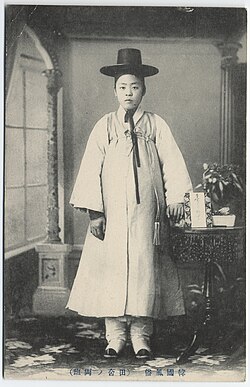
Key Facts
- Social Status: Positioned below the yangban aristocracy but above the sangmin (commoners).
- Primary Roles: Technical specialists, petty bureaucrats, military officers, and hereditary government functionaries.
- Privileges: Exempt from taxation and military conscription; allowed to reside in central city areas.
- Social Mobility: Possible for women to become royal consorts through service in the palace.
- Legacy: Their administrative traditions influenced modern Korean systems in both North and South Korea.
The Social Hierarchy of Dynastic Korea
To understand the role of the chungin, one must look at the stratified structure of Joseon society. The hierarchy was clearly defined, with each class holding specific rights and responsibilities.
| Class Name (English) | Hangul | Hanja | Status Description |
|---|---|---|---|
| Yangban | 양반 | 兩班 | Noble class |
| Chungin | 중인 | 中人 | Intermediate class |
| Sangmin | 상민 | 常民 | Common people |
| Ch'ŏnmin | 천민 | 賤民 | Lowborn people (nobi, kisaeng, etc.) |
Professional Roles and Privileges
The chungin were not a monolithic group but a collection of highly educated specialists. Their roles included government-employed technical experts, military officers with ties to specialist families, and hereditary local or capital functionaries. They also included the illegitimate children of aristocrats.
Access to this class was often achieved through the chapkwa examination, a test focused on practical, technical knowledge rather than the purely philosophical studies required of the yangban. Despite their lower social standing compared to the nobility, the chungin enjoyed significant advantages. Unlike the commoners, they were not subject to military conscription or taxation. Furthermore, they shared the privilege of living in the central parts of cities with the aristocracy.
Pathways to Influence
While social mobility was limited, there were notable exceptions. Because the chungin were eligible to serve as royal servants within the palace, women of this class could occasionally rise to immense power. If a woman caught the attention of the King or the Queen Dowager, she could become a royal consort. A famous example is Jang Ok-jeong (Royal Noble Consort Hui), a member of the Indong Jang clan who became the Queen of Joseon and the mother of King Gyeongjong.
Cultural and Literary Contributions
Despite facing social discrimination, the chungin were highly educated and made profound impacts on Korean literature. They formed dedicated poetry groups to seek the recognition they were denied by the formal social structure. Notable collections such as Okgyeiseungcheop and Okgyecheongyucheop showcase their literary prowess.
The development of groups like the Songsogwon Poetry Society even fostered closer interactions between the yangban and the chungin. During the late seventeenth century, many chungin gained popularity as poets, with their works sometimes being circulated among the higher classes. One notable collection, Remaining Pearls of Korea, was a set of poems compiled by a chungin with the encouragement of a yangban.
The Legacy of Kim Ch'ŏnt'aek
A prominent figure in this literary movement was Kim Ch'ŏnt'aek, a notable sijo (a traditional form of Korean poetry) author. Serving as a Pogyo constable during the reign of King Sukjong, Kim was a master singer and scholar who could memorize hundreds of works. Because the social stratification of the era prevented him from advancing further, he chose to live in harmony with nature. His poetry, including his famous work about a white seagull, often reflected this desire to find peace in the natural world away from the constraints of his social class.
Prominent Chungin Figures
As Korea moved toward modernization in the late nineteenth and early twentieth centuries, many members of the chungin class became leaders in welcoming Western institutions and ideas. Notable figures include:
- Yu Dae-chi (also known as Yu Hong-gi)
- Oh Gyeong-sok and his son, Oh Se-chang
- Byeon Su
- Kim Kyu-sik
- Choe Nam-seon
Frequently Asked Questions
What was the primary function of the chungin?
The chungin served as the technical and administrative backbone of the Joseon Dynasty. They performed the specialized tasks and petty bureaucratic duties that allowed the ruling yangban and the royal family to manage the state and the lower classes.
How did the chungin differ from the yangban?
While both were educated, the yangban were the ruling aristocracy, whereas the chungin were the intermediate class of specialists. The yangban held supreme political power, while the chungin focused on technical, military, and administrative expertise.
Could a member of the chungin class rise to high status?
Social advancement was difficult, but not impossible. For women, serving in the palace provided a rare path to becoming a royal consort. For men, while they remained in the middle class, they could achieve significant cultural influence through literature and arts.
What was the chapkwa examination?
The chapkwa was a specific examination used to select members of the chungin class. Unlike the examinations for the nobility, which focused on Confucian classics, the chapkwa tested practical knowledge and technical skills.
Did the chungin pay taxes?
No. One of the significant privileges held by the chungin was that they were exempt from both taxation and military conscription.