Christian Liturgy: The Meaning and Practice of Public Worship
In the context of the Christian faith, worship is often categorized by the structure and formality of its services. Central to this discussion is the concept of liturgy, a term that shapes how millions of believers interact with the divine and their community. While some view liturgy as a rigid script, others see it as a dynamic public service that connects the earthly congregation with the saving work of Jesus Christ.
Defining Liturgy
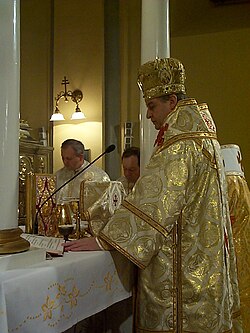
The word "liturgy" originates from the Greek language, literally meaning "work for the people." However, a more precise translation in a religious context is "public service" or "public work." Early Christians adopted this term to describe their primary act of worship—the Sunday service. Depending on the denomination, this service is known by various names, including the Holy Eucharist, Holy Communion, Mass, or Divine Liturgy.
From a theological perspective, the liturgy is viewed as a reciprocal service. It is both a duty performed by Christians—who are considered a priestly people through their baptism—and a ministry provided by God to the worshippers. In ancient traditions, sacramental liturgy is specifically seen as the people's participation in the work of God, through which Christ continues the work of redemption.
Liturgical vs. Non-Liturgical Traditions
A common distinction in Christianity is made between "liturgical" and "non-liturgical" churches. This classification is typically based on the level of formality and the use of scripts during worship:
- Liturgical Churches: These services follow a standardized order of events, often focusing on sacramental services or structured public prayer.
- Non-Liturgical Churches: These services are characterized as being unscripted or improvised.
However, some scholars and practitioners object to this binary. They argue that public worship is a universal phenomenon and that even seemingly unstructured services have a form. For example, the "waiting worship" of Quakers is sometimes called the "liturgy of silence," as the act of waiting for the Holy Spirit to move individuals to speak is, in itself, a prescribed form of worship.
The Roles and Mechanics of Worship
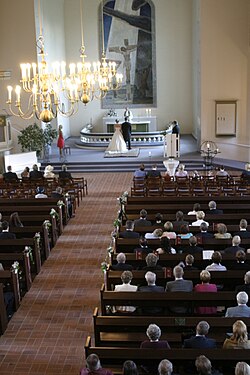
While the entire congregation participates in offering the liturgy to God, many churches appoint a specific individual known as a liturgist. The liturgist may be an ordained minister or a lay person (a member of the congregation who is not ordained). Their role typically involves reading scriptures, making announcements, and leading calls to worship, while the minister focuses on preaching the sermon, offering prayers, and blessing sacraments.
Historically, some traditions—particularly those prevalent in Egypt—emphasized that the entire sequence of the liturgy was necessary to transform the bread and wine into Eucharistic elements.
Key Facts
- Etymology: Derived from Greek, meaning "public work" or "work for the people."
- Purpose: Acts as a reciprocal service between God and the baptized priestly people.
- Terminology: Common names for the primary liturgy include Mass, Holy Communion, and Divine Liturgy.
- Structure: Liturgical services follow a standardized order; non-liturgical services are generally improvised.
- The Liturgist: A person (ordained or lay) who manages the flow of the service, distinct from the preaching role of the minister.
| Feature | Liturgical Worship | Non-Liturgical Worship |
|---|---|---|
| Structure | Standardized order of events | Unscripted or improvised |
| Primary Focus | Often sacramental or formal prayer | Spontaneous expression or silence |
| Example | Divine Liturgy / Mass | Quaker "Liturgy of Silence" |
Frequently Asked Questions
What is the literal meaning of the word liturgy?
Liturgy comes from a Greek word meaning "work for the people," though it is more accurately translated as "public service" or "public work."
Who is a liturgist in a church service?
A liturgist is a person, either an ordained minister or a lay person, who leads specific parts of the service such as reading scriptures, announcements, and calls to worship.
Is the "liturgy of silence" actually liturgical?
Yes, according to some perspectives. Even though Quaker worship involves waiting in silence, this waiting is a prescribed form of worship, making it a type of liturgy.
What is the theological purpose of the sacramental liturgy?
In ancient traditions, it is viewed as the participation of the people in God's work, specifically the saving and redemptive work of Jesus Christ.
How does the role of the liturgist differ from the minister?
While the liturgist often handles the structural elements like readings and announcements, the minister typically delivers the sermon, leads prayers, and administers sacraments.