Chinatown, Manhattan
Nestled in the heart of Lower Manhattan, Chinatown is one of New York City's most vibrant and culturally rich neighborhoods. Serving as a primary gateway for Chinese immigrants for generations, it is a dense urban tapestry of traditional markets, historic architecture, and a resilient community spirit. From the bustling corridors of Canal Street to the quiet, winding paths of Doyers Street, the neighborhood reflects the diverse waves of migration from various regions of China.
The neighborhood is not a monolith but a collection of distinct cultural enclaves. While historically dominated by Cantonese speakers, the area has evolved to include significant populations from Fuzhou and other regions, creating a multifaceted social and economic landscape.
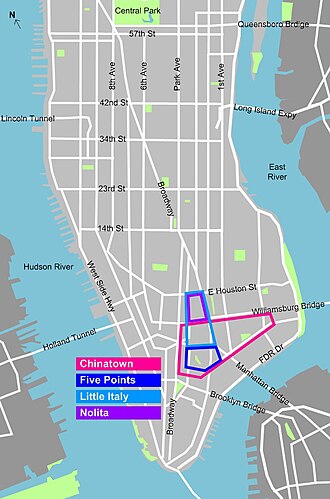
Key Facts
- Total Area: 0.768 square miles.
- Population: 47,844 (as of 2010).
- Demographics: 63.9% Asian, 16.3% White, 13.4% Hispanic, and 4.8% Black.
- Historic Status: Part of the Chinatown and Little Italy Historic District, added to the National Register of Historic Places on February 12, 2010.
- Median Income: $68,657.
- Key Landmarks: Museum of Chinese in America, Confucius Plaza, and the On Leong Building.
Geography and Boundaries
Chinatown is strategically located in Manhattan Community District 3. Its boundaries are defined by a mix of commercial arteries and neighboring ethnic enclaves:
- North: Canal Street or Hester Street, where it borders or overlaps with Little Italy.
- Southwest: Worth Street, bordering the Civic Center.
- Southeast: East Broadway, bordering the Two Bridges area.
- East: Essex Street, overlapping with the Lower East Side.
- West: Lafayette Street, bordering Tribeca.
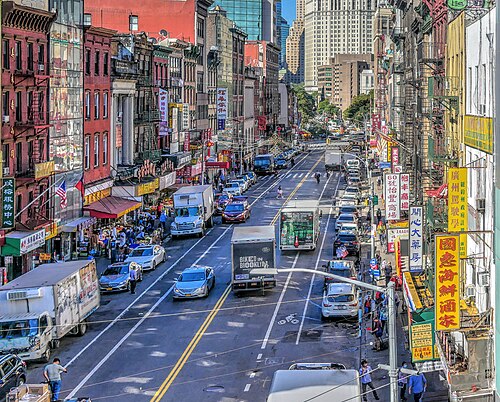
Cultural Enclaves: Little Hong Kong and Little Fuzhou
Within the broader neighborhood, specific areas have emerged as hubs for different dialect groups and regional identities.
Little Hong Kong and Guangdong
Centering around Mott Street and Pell Street, this area is often referred to as Little Hong Kong or Little Guangdong. It represents the earlier waves of immigration, primarily from Cantonese-speaking regions. This section of the neighborhood is characterized by traditional businesses and long-standing community institutions.
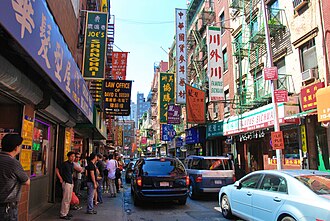
Little Fuzhou
Located primarily along East Broadway, Little Fuzhou caters to immigrants from the Fujian province. This area has seen significant growth in recent decades, introducing different linguistic patterns (Fuzhounese) and a new set of commercial services to the neighborhood.
History and Evolution
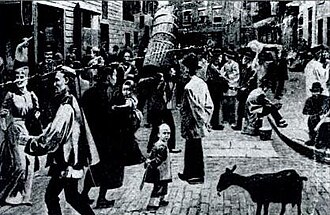
The history of Manhattan's Chinatown is a story of resilience against exclusion and adaptation to change. Early immigration was marked by the challenges of the Chinese exclusion period, but the community persisted, building a self-sustaining economy of laundries, restaurants, and social associations.
Following the post-1965 immigration reforms, the neighborhood experienced a surge in population. This era saw an influx of immigrants from Hong Kong and Guangdong, followed later by the Fuzhounese community. Over time, some residents have migrated to "satellite Chinatowns" in Brooklyn, Queens (Flushing and Elmhurst), and other parts of the city to find more affordable housing.
Architecture and Streetscape
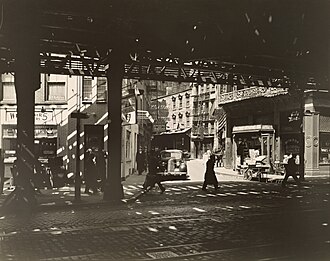
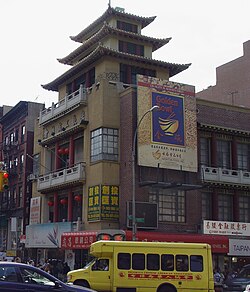
The visual identity of Chinatown is defined by a blend of old-world charm and modern urban development. The On Leong Building at the intersection of Canal and Mott Streets stands as a landmark of the neighborhood's commercial history.
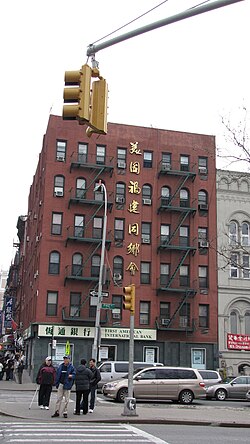
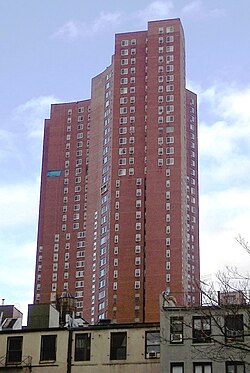
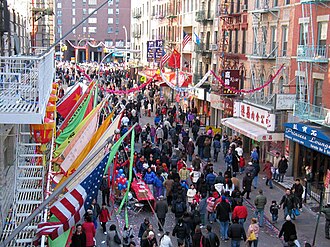
Housing varies from traditional low-rise tenements to massive developments like Confucius Plaza, a 44-story subsidized housing cooperative that towers over the surrounding historic housing stock. The streets are further characterized by bilingual signage, though some of these historic signs have faced disappearance in recent years.
Cultural Landmarks and Institutions
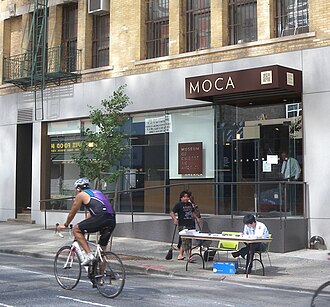
- Museum of Chinese in America (MOCA): Established in 1980, this museum documents the Chinese American experience.
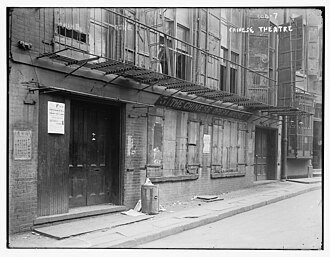
- Doyers Street: Known for its unique bend and history, it once hosted the city's first Chinese theater.
- Columbus Park / Dr. Sun Yat-sen Plaza: A central gathering point for the community.
Economy and Daily Life
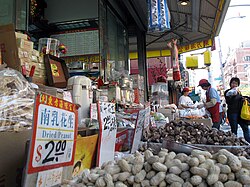
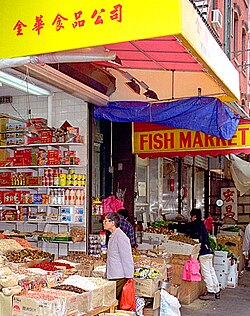
Today, Chinatown functions as a major shopping and business district. The economy is driven by a mix of specialty grocery stores, fish markets, and family-owned restaurants that attract both locals and tourists.
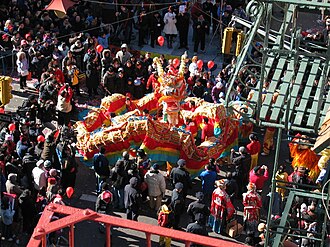
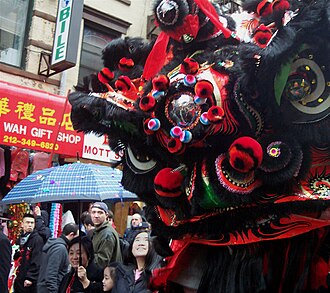
Cultural celebrations, particularly the Chinese New Year, transform the neighborhood into a festive hub with lion dances and street fairs that draw crowds from across the city.
Community Infrastructure
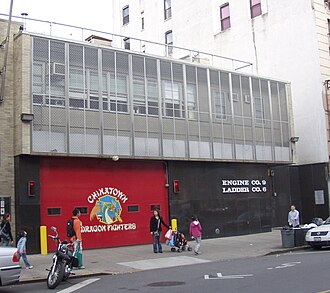
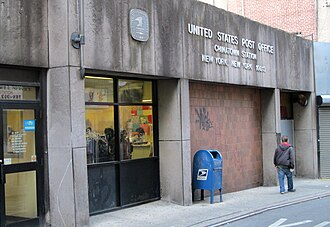
The neighborhood is supported by essential city services tailored to its dense population. Fire safety is managed by FDNY Engine Company 9/Ladder Company 6 and Engine Company 55/Battalion 2. Postal services are provided via the Chinatown Station on Doyers Street and the Knickerbocker Station on East Broadway.
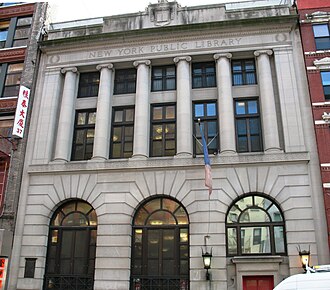
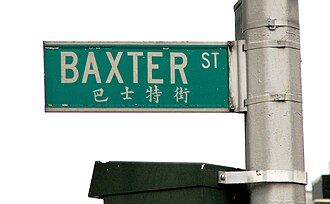
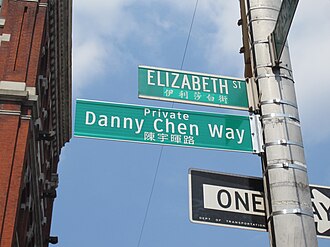
Education and literacy are supported by the New York Public Library's Chatham Square branch, while the streets themselves serve as a living archive, with names like Elizabeth Street co-named as Pvt. Danny Chen Way.
Neighborhood Summary
| Category | Details |
|---|---|
| Primary Dialects | Cantonese, Fuzhounese, Mandarin |
| Key Hubs | Mott St (Little Hong Kong), East Broadway (Little Fuzhou) |
| Major Transit | Canal St, Grand St, and East Broadway Stations |
| Historic Designation | NRHP (Added 2010) |
| Key Institutions | Museum of Chinese in America, Confucius Plaza |
Frequently Asked Questions
What is the difference between Little Hong Kong and Little Fuzhou?
Little Hong Kong (or Little Guangdong) is centered around Mott and Pell Streets and is historically associated with Cantonese speakers. Little Fuzhou is located primarily along East Broadway and serves the Fuzhounese-speaking immigrant community.
Is Chinatown in Manhattan a historic district?
Yes, it is part of the Chinatown and Little Italy Historic District, which was added to the U.S. National Register of Historic Places on February 12, 2010.
Where can I learn about Chinese American history in the neighborhood?
The Museum of Chinese in America (MOCA), located in Manhattan's Chinatown, has documented the Chinese American experience since 1980.
What are the main boundaries of Chinatown?
It is generally bounded by Canal or Hester Streets to the north, Worth Street to the southwest, East Broadway to the southeast, Essex Street to the east, and Lafayette Street to the west.
What is Confucius Plaza?
Confucius Plaza is a 44-story subsidized housing cooperative that stands as a prominent architectural contrast to the typical low-rise housing stock found throughout the neighborhood.