Children's Hospitals: Evolution, Care Models, and Pediatric Specialization
A children's hospital (CH) is a specialized medical facility dedicated exclusively to the care of infants, children, adolescents, and young adults. While the standard age range typically spans from birth to 18, in the United States, these services often extend to age 21 and older. In specific medical circumstances, these institutions may also provide treatment for adults.
The rise of dedicated children's hospitals accelerated during the 20th century. This growth occurred as pediatric medical and surgical specialties branched away from general internal medicine and adult surgery to address the unique physiological and psychological needs of younger patients.
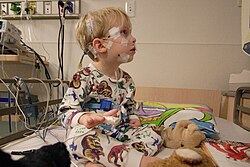
Key Facts
- Patient Demographics: Primarily serves birth to 18 years; extends to 21+ in the U.S.
- Holistic Approach: Strong emphasis on psychosocial support, including play and education.
- Historical Roots: Evolved from 15th-century orphanages and 18th-century dispensaries.
- Modern Integration: New models, such as the Cambridge Children's Hospital, integrate physical and mental health services with research.
- Key Milestone: The 1959 Platt Report revolutionized parental access to hospitalized children.
Integrated Care and Psychosocial Support
Unlike general hospitals, children's hospitals place a significant emphasis on the psychosocial support of both the patient and their family. Because children often face long-term hospitalizations, access to teaching staff and play is considered a vital component of the healing process. Many facilities establish local partnerships to allow children to visit zoos, public libraries, and botanical gardens.
Modern architectural and operational designs are moving toward full integration. For example, the Cambridge Children's Hospital (approved in 2022) brings together the University of Cambridge, Cambridgeshire and Peterborough NHS Foundation Trust, and Cambridge University Hospitals NHS Foundation Trust to co-locate physical health, mental health, and research activities.
![Children's Castle (Lastenlinna), a former children's hospital, that preceded the current New Children's Hospital [fr],[1] in Helsinki, Finland](/images/fd/ca/fdca0fb7d2909ae7cb031d3934cb01213fda805de1217a75772d048490f55ba8.jpg)
The History of Pediatric Care
Early Voluntary Care
The precursors to modern children's hospitals were dispensaries and foundling hospitals. One of the earliest examples was Florence's Hospital of the Innocent (Ospedale degli Innocenti), a charity orphanage opened in 1445 to nurse abandoned infants. In 1741, Thomas Coram founded the Foundling Hospital to provide medical care, vocational training, and societal reintegration for abandoned children.
During this era, dispensaries funded by donations provided essential medicine to the poor. Notably, George Armstrong, who established the first British dispensary in 1769, initially opposed in-patient care for children.
The 19th-Century Model
By the mid-1800s, physicians and middle-class women became concerned with high infant mortality and the poor living conditions of the industrial era. By the 1870s, the medical consensus shifted, suggesting that children were better treated in hospitals away from unsanitary home environments.
This led to a surge of formally recognized institutions:
- 1802: Hôpital des Enfants Malades opens in Paris (the first formally recognized pediatric hospital).
- 1852: Great Ormond Street Hospital opens in London.
- 1855: Children's Hospital of Philadelphia is established.
- 1860: Royal Hospital for Sick Children opens in Edinburgh.
- 1875: Hospital for Sick Children opens in Toronto.
By the early 20th century, the number of these facilities tripled in Canada and the United States, while most major UK cities had established prestigious pediatric centers.
Professionalization and Specialization
The early 20th century saw a shift in authority from parents to medical professionals. The introduction of licensing acts and medical associations allowed physicians to build careers by treating the sick poor and teaching students. This professionalization replaced voluntary or religious female care with trained nursing staff and elevated pediatrics as a distinct specialty within the healthcare system.

Critiques and the Shift Toward Family-Centered Care
Not all medical professionals agreed with total hospitalization. In 1909, surgeon James Henderson Nicholl argued that many operations for children under two could be done in out-patient departments, stating that separation from the mother was often harmful.
Post-war research further highlighted the risks of hospitalization trauma. In 1945, psychoanalyst René Spitz noted the deleterious effects of institutionalization. Similarly, John Bowlby's research on juvenile thieves suggested a link between early traumatic separation from mothers and later behavioral issues.
Historically, doctors restricted parental visits to prevent cross-infections. However, the introduction of penicillin in the 1940s and a 1949 review of 26 wards showed no correlation between parental visits and increased infection rates. This culminated in the Platt Report of 1959 in the UK, which recommended increased parental access—a move that influenced pediatric care in the US, Canada, Australia, and New Zealand.
Hospital Utilization and Trends in the United States
Data from the Agency for Healthcare Research and Quality (AHRQ) between 2003 and 2011 revealed complex trends in US pediatric care. While overall hospitalizations for children aged 0–17 generally decreased, aggregate costs for surgical hospitalizations rose rapidly.
Average costs per discharge increased by at least 2% across all categories, though mental health hospitalizations saw a lower increase (1.2%). In 2012, the US recorded nearly 5.9 million hospital stays for children, including 3.9 million neonatal stays and 104,700 maternal stays for pregnant teenagers.
Regarding emergency department (ED) use between 2006 and 2011, the highest rate of use was found in infants under one year, which was also the only age group to see a decline in ED visits during that period.
| Category | Key Detail / Milestone | Significance |
|---|---|---|
| Earliest Institutions | Ospedale degli Innocenti (1445) | Early charity-based care for abandoned infants. |
| First Formal Hospital | Hôpital des Enfants Malades (1802) | Established formal pediatric hospitalization in Paris. |
| Policy Shift | Platt Report (1959) | Promoted parental access to reduce separation trauma. |
| US Utilization | 5.9 Million Stays (2012) | Highlights high volume of neonatal and pediatric care. |
| Modern Trend | Integrated Care Models | Merging physical and mental health with research. |
Frequently Asked Questions
Who can be treated at a children's hospital?
These hospitals exclusively serve infants, children, adolescents, and young adults. Generally, this covers birth to age 18, though in the United States, care often extends to age 21 and older. In some special cases, adults may also be treated.
Why are children's hospitals separate from adult hospitals?
They emerged as pediatric medical and surgical specialties separated from internal medicine. Children have unique physiological and psychological needs, requiring specialized staffing, equipment, and a focus on psychosocial support.
What is the significance of the Platt Report?
The 1959 Platt Report was a pivotal document that recommended children have more access to their parents while hospitalized. This helped end the practice of restricting visits, which had previously been justified by fears of cross-infection.
How are children's hospitals ranked in the US?
U.S. News & World Report provides annual rankings of top children's hospitals and specialties. Historically, these rankings were based on reputation gauged through surveys of pediatricians and specialists.
What are the current trends in US pediatric hospital costs?
According to AHRQ data, while overall hospitalizations for children (excluding mental health) have decreased, the average cost per discharge has increased, particularly for surgical procedures.