Child Prostitution: Global Trends, Causes, and Legal Frameworks
Child prostitution is a severe form of commercial sexual exploitation involving minors—individuals who are under the legal age of consent. This global crisis manifests in various forms, from organized criminal enterprises to desperate attempts at survival. While it is illegal in most jurisdictions as part of broader prohibitions on child sexual abuse, the practice persists across both developed and undeveloped nations.
Research suggests that as many as 10 million children are involved in prostitution worldwide. While the practice is most widespread in Asia and South America, it is a global phenomenon. Although the majority of victims are girls, there has been a documented increase in the number of young boys entering the trade.

Key Facts
- Global Scale: An estimated 10 million children are involved in prostitution globally.
- Primary Drivers: The two main drivers are sex trafficking (coercion/deception) and survival sex (trading sex for basic needs).
- International Law: All UN member countries have committed to prohibiting the practice via the Convention on the Rights of the Child.
- Demographics: While predominantly female, there is a rising trend of boys being exploited.
- High-Risk Groups: Runaway and homeless youths are significantly more vulnerable; some are lured into prostitution within 48 hours of hitting the streets.
Causes and Types of Exploitation
Child prostitution generally falls into two primary categories: human trafficking and survival sex.
Human Trafficking
The United Nations Office on Drugs and Crime (UNODC) defines human trafficking as the recruitment, transport, transfer, harboring, or receipt of a person through force, coercion, abduction, fraud, or deception for the purpose of exploitation. The UNODC estimates there are approximately 2.5 million trafficking victims worldwide. UNICEF reports that since 1982, roughly 30 million children have been trafficked, with sexual slavery accounting for 79% of these cases. In these instances, children are often kidnapped or tricked into the sex trade.
![An FBI agent leading away an adult suspect arrested in the Operation Cross Country II,[47] when 105 children were rescued from forced prostitution in October 2008](/images/5d/72/5d72ab1a35df879ab4a8930cde15884240d079a0ac6ca523cfbf461540d48c67.jpg)
Survival Sex
Survival sex occurs when a child engages in sexual activities to procure basic essentials, such as food and shelter. This is frequently seen among homeless youths and runaways. Contrary to common perceptions that all prostituted children are controlled by pimps, some studies suggest a more complex reality. A 2008 study in New York City found that only 10% of interviewed underage prostitutes reported having pimps, and a 2012 Atlantic City study found that figure to be 14%, describing those relationships as more companionate than typically reported by the media.
Legal Frameworks and Prohibition
International law is clear regarding the protection of minors. Article 34 of the United Nations Convention on the Rights of the Child (1989), ratified by 193 countries, mandates that states protect children from sexual exploitation, including prostitution and pornography.
However, legal challenges arise due to differing definitions of a "child." While international law defines a child as anyone under 18, some countries have lower ages of consent ranging from 13 to 17. For example, in the Czech Republic, prostitution is legal for those over 14. These discrepancies can lead to hesitation among law enforcement when investigating cases.
| Metric | Estimated Value/Detail | Source/Context |
|---|---|---|
| Total Children in Prostitution | Up to 10 Million | Global Research |
| Children Trafficked (since 1982) | 30 Million | UNICEF |
| Sexual Slavery % of Trafficking | 79% | UNODC |
| UN Convention Ratification | 193 Countries | UN Convention on the Rights of the Child |
Historical Context
In Europe, child prostitution was prevalent until the late 19th century; in Paris, minors once made up 50% of those in prostitution. A pivotal moment occurred in 1885 England when William Thomas Stead, editor of The Pall Mall Gazette, exposed an underground trafficking ring in a series titled "The Maiden Tribute of Modern Babylon."
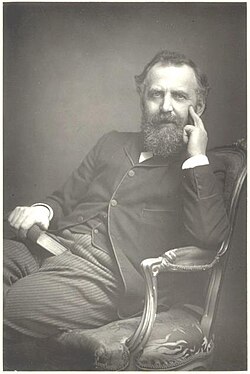
Stead's reporting highlighted the case of Eliza Armstrong, a 13-year-old girl sold for £5. The public outcry was so significant that the English government raised the age of consent from 13 to 16 within a single week. During this era, the term "white slavery" became common in Europe and the United States to describe the exploitation of children.
Frequently Asked Questions
What is the difference between sex trafficking and survival sex?
Sex trafficking involves the use of force, fraud, or coercion to recruit and exploit a child. Survival sex is when a child chooses to engage in sexual acts specifically to obtain basic necessities like food and housing due to poverty or homelessness.
How many children are affected by prostitution worldwide?
Research indicates that there may be as many as 10 million children involved in prostitution globally, with high prevalence in Asia and South America.
Is child prostitution legal anywhere?
While almost all countries have restrictions against it and it is prohibited under international law, some countries have lower ages of consent. For instance, in the Czech Republic, it is legal for children older than 14.
Who are the primary perpetrators of child prostitution?
The people who purchase sex from minors are most often men. In terms of trafficking, while many perpetrators are men, women are also often involved as perpetrators.
What is the role of the United Nations in stopping this practice?
The UN provides the legal framework through the Convention on the Rights of the Child and the Optional Protocol on the Sale of Children, Child Prostitution and Child Pornography, committing member states to prohibit and combat these crimes.