Chernobyl Nuclear Disaster: Causes, Consequences, and Legacy
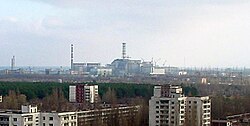
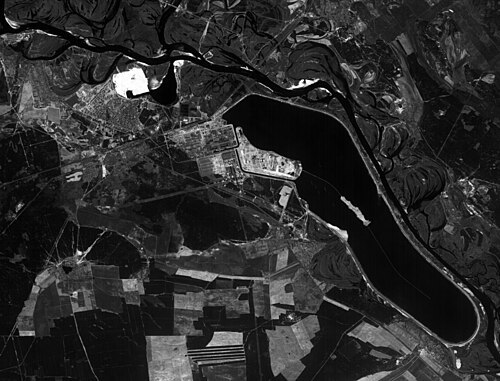
On April 26, 1986, at 01:23 MSD, the world witnessed the most severe civil nuclear accident in history. The disaster occurred at the Chernobyl Nuclear Power Plant near the city of Pripyat in the Ukrainian SSR of the Soviet Union. Classified as an INES Level 7 (major accident), the event released massive quantities of radioactive particles into the atmosphere, altering the course of nuclear energy policy and environmental science forever.
The catastrophe was not the result of a single failure but a lethal combination of flawed reactor design and critical operator errors during a safety test. The resulting explosions destroyed the reactor building and exposed the core, leading to a prolonged release of radiation across Europe and the Soviet Union.
Key Facts
- Date: April 26, 1986
- Location: Pripyat, Ukrainian SSR, Soviet Union
- Cause: Reactor design flaws and operator error
- Severity: INES Level 7 (Major Accident)
- Immediate Impact: Total destruction of Reactor No. 4 and massive radioactive fallout
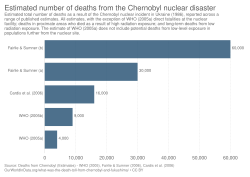
- Long-term Health: Estimated 4,000 to 16,000 deaths from long-term effects, including thyroid cancer
The Mechanics of the Accident
Reactor Design and the RBMK
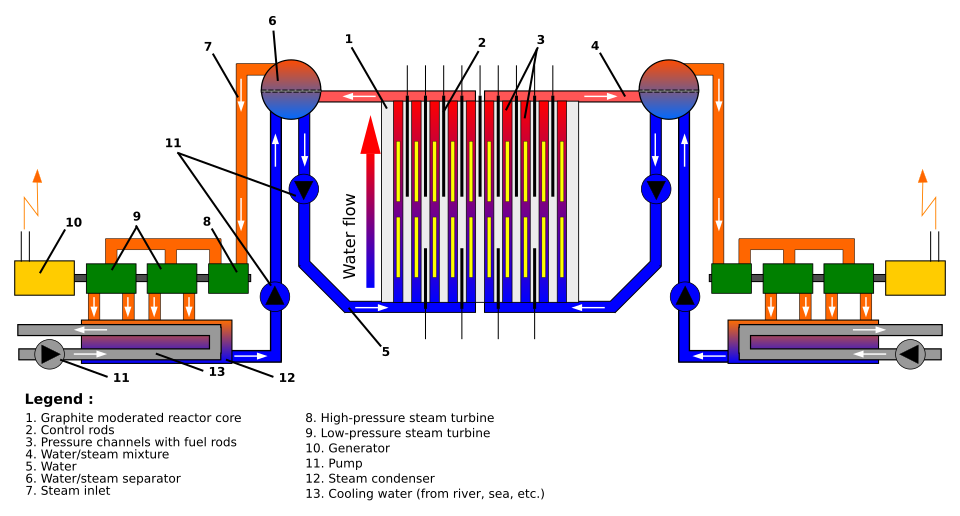
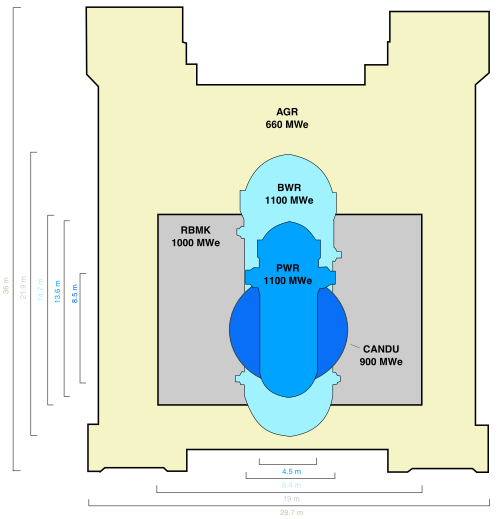
The plant utilized RBMK reactors, a design specific to the Soviet Union. Unlike many Western reactors, the RBMK used graphite as a moderator—a material used to slow down neutrons to sustain a nuclear chain reaction. While efficient, this design had inherent instabilities under certain conditions.
The Fatal Safety Test
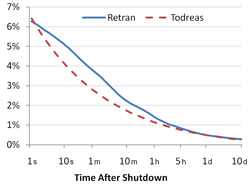
The disaster occurred during a test intended to determine if the plant's turbines could provide enough electrical power to run the cooling pumps during a power outage until the emergency diesel generators kicked in. Due to a shift change and a delay in the test, the reactor was operated by a crew not fully prepared for the procedure.
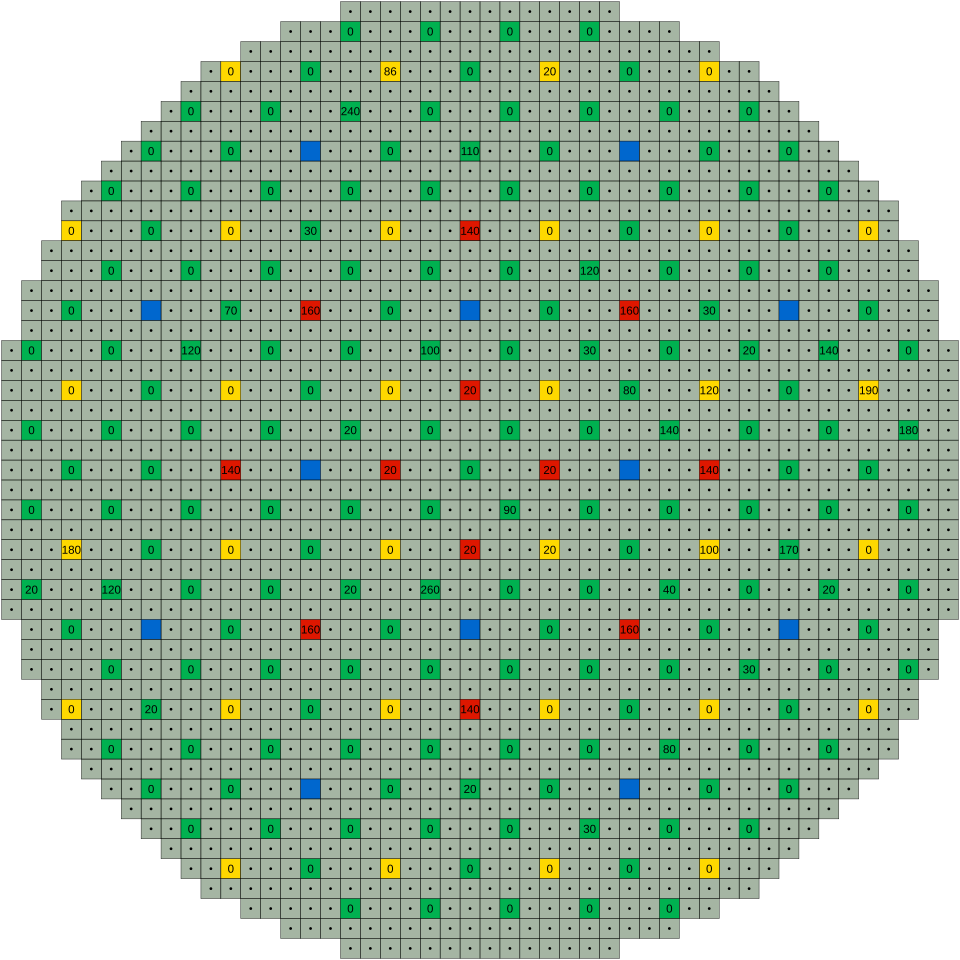
During the test, reactor power dropped unexpectedly, leaving the reactor in an unstable state. When operators attempted to shut down the reactor by inserting control rods, a design flaw caused a momentary increase in reactivity (a power excursion), leading to a massive steam explosion.
The Explosions and Meltdown
The initial steam explosion blew the 2,000-ton biological shield (the reactor lid) through the roof. A second explosion followed shortly after, ejecting burning graphite and fuel-containing materials into the air. This ignited a massive fire that lasted for days, carrying radioactive isotopes high into the atmosphere.
Emergency Response and Containment
Immediate Crisis Management
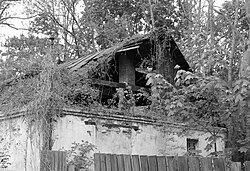
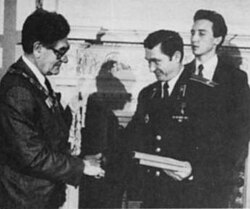
Firefighters, including figures like Leonid Telyatnikov, fought the blaze under extreme radiation levels to prevent the fire from spreading to Reactor No. 3. The city of Pripyat was eventually evacuated following an official announcement, though the delay in notification exposed thousands to high levels of radiation.
Mitigating the Meltdown
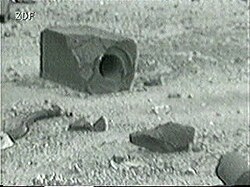
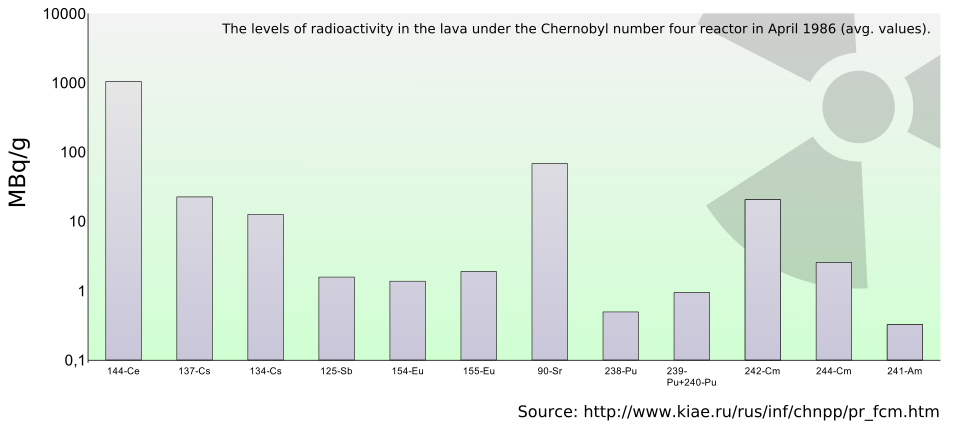
To prevent a total core meltdown from reaching the groundwater, Soviet engineers implemented desperate measures. This included dropping sand, boron, and lead into the core from helicopters and constructing underground barriers to protect the foundation and the bubbler pools (steam suppression regions) beneath the reactor.
![Chernobyl lava-like corium, formed by fuel-containing mass, flowed into the steam suppression region of the plant.[78]](/images/45/71/457185454662d44d28741712fa27d8c45425489076b1d0db47d1788514e1247a.jpg)
The Sarcophagus and New Safe Confinement
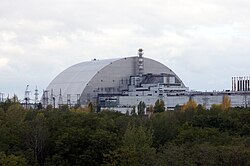
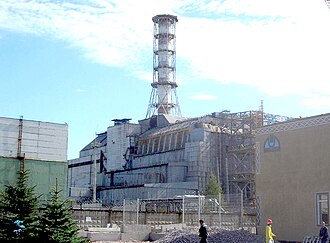
In the immediate aftermath, a concrete structure known as the Sarcophagus was hastily built to enclose the ruins of Reactor No. 4. Over decades, this structure deteriorated. In 2017, the New Safe Confinement, a massive steel arch, was slid into place to provide a more permanent and secure seal for the site.
Environmental and Human Impact

The Exclusion Zone
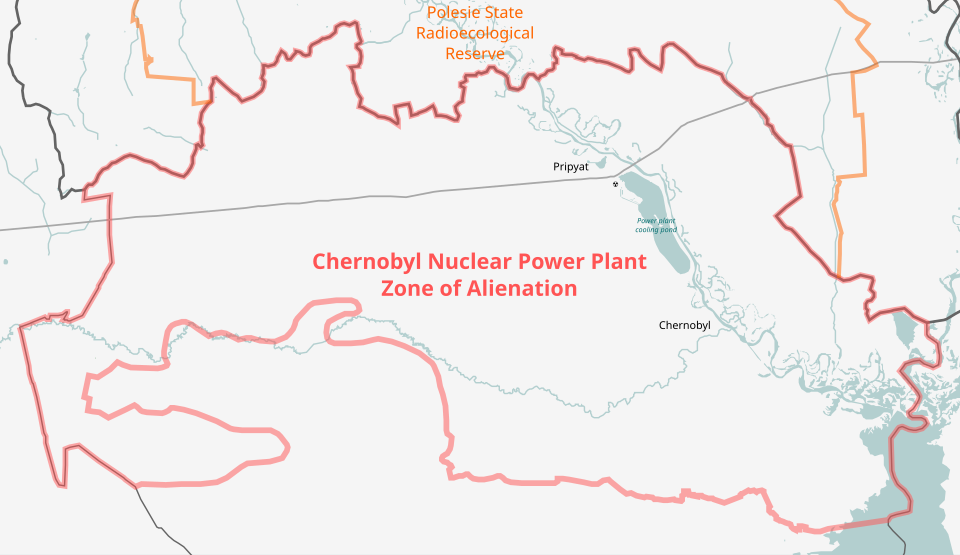
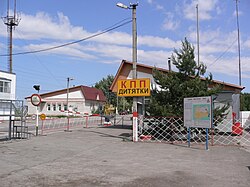
A vast area surrounding the plant was designated as the Exclusion Zone (or Zone of Alienation). This area remains largely uninhabited by humans, though it has unexpectedly become a sanctuary for wildlife.
Health Consequences
The disaster led to a spike in thyroid cancer, particularly among children who consumed contaminated milk. While immediate deaths were limited to plant workers and first responders, long-term estimates suggest thousands of additional deaths due to radiation-induced cancers.
Global Fallout
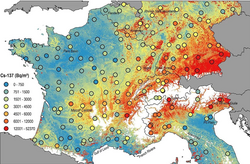
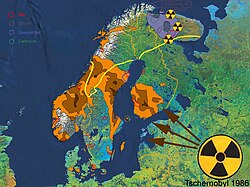
Radioactive isotopes, particularly Caesium-137, were detected as far away as Scandinavia and Western Europe, sparking international alarm and a global debate on the safety of nuclear power.
Summary of Disaster Details

| Category | Details |
|---|---|
| Reactor Type | RBMK (Graphite-moderated) |
| Primary Cause | Design flaws + Operator error |
| INES Rating | Level 7 (Major Accident) |
| Key Isotopes | Caesium-137, Iodine-131 |
| Containment | Sarcophagus $\rightarrow$ New Safe Confinement |
| Estimated Deaths | 4,000 to 16,000 (long-term) |
Frequently Asked Questions

What caused the Chernobyl explosion?
The explosion was caused by a combination of a flawed RBMK reactor design—specifically a positive void coefficient and control rod tips made of graphite—and a series of operator errors during a low-power safety test that led to an uncontrollable power surge.
What is the "Exclusion Zone"?
The Exclusion Zone is a restricted area established around the Chernobyl Nuclear Power Plant to prevent public exposure to radioactive contamination. It encompasses the abandoned city of Pripyat and surrounding forests.
What happened to the radioactive fuel?
Much of the fuel melted into a lava-like substance called corium, which flowed into the lower levels of the plant. This material remains highly radioactive and is enclosed within the New Safe Confinement structure.
How did the world find out about the accident?
The Soviet Union did not immediately announce the disaster. The world became aware after radiation detectors in Sweden detected unusual levels of radioactive particles, prompting an investigation that traced the source back to the Ukrainian SSR.
Is the site still dangerous today?
Yes, the interior of the ruined reactor remains extremely lethal. However, the New Safe Confinement has significantly reduced the risk of further radioactive leaks, and certain parts of the Exclusion Zone are now open for controlled tourism.