Cheonggyecheon: The Remarkable Story of Seoul's Restored Urban Stream
In the heart of Seoul, South Korea, lies a 10.9-kilometer-long oasis that serves as a vital public space and a testament to modern urban renewal. Cheonggyecheon is more than just a stream; it is a symbol of the city's transformation from a rapidly industrializing metropolis to a leader in ecological urban design.
Sourced from the Suseongdong Valley in Inwangsan, this natural waterway flows through the center of downtown Seoul before meeting the Jungnangcheon. While it is a popular destination for tourists and residents today, its journey from a historical drainage system to a concrete-covered highway, and finally back to a living stream, is a complex saga of history and engineering.
Key Facts
- Length: 10.92 km (6.79 mi)
- Location: Seoul, South Korea (Ogin, Jongno, and Seongdong districts)
- Restoration Cost: Over ₩386 billion (approx. US$281 million)
- Completion Date: 2005
- Major Achievement: 639% increase in biodiversity between 2003 and 2008
- Environmental Impact: Reduces urban heat by 3.3°C to 5.9°C compared to nearby roads
A Journey Through History
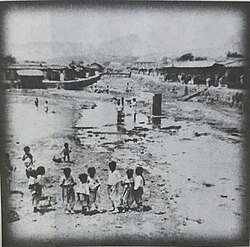
The origins of the stream date back to the Joseon period. Originally known as Gaecheon ("open stream"), it served as a critical drainage system. During the reign of King Taejong, the stream was expanded through dredging and the construction of embankments. Later, King Yeongjo elevated the maintenance of the stream to a national project. The name was changed to Cheonggyecheon during the period of Japanese rule.
However, the mid-20th century brought significant challenges. Following the Korean War, the area around the stream became a slum district characterized by makeshift housing and deteriorating sanitary conditions. To modernize the city, the government began a massive project to cover the stream with concrete. By 1976, a 5.6 km-long elevated highway, the Cheonggye Expressway, was completed over the site, marking a period of intense industrialization.
The Great Restoration Project
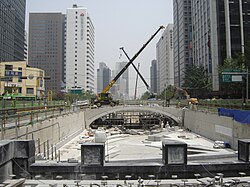
In July 2003, the city of Seoul initiated a bold urban renewal project to remove the elevated highway and "daylight" the stream—a process of revealing a river that had been previously covered. Led by then-Mayor Lee Myung-bak, the project faced significant hurdles, including the need to manage downtown traffic and the logistical challenge of supplying water to a nearly dry bed.
To ensure the stream remained flowing, engineers pumped 120,000 tons of water daily from the Han River, its tributaries, and even groundwater from subway stations. The project also involved the contentious but vital restoration of historic bridges, such as Gwangtonggyo and Supyogyo, to preserve the area's cultural identity.
Environmental and Economic Consequences
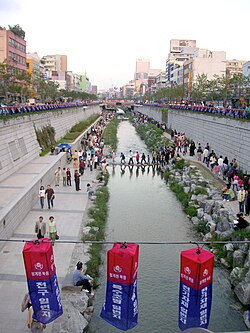
Since its reopening in September 2005, the impact of the restoration has been profound. The project has been lauded for its ecological successes, most notably a massive surge in biodiversity. Between 2003 and 2008, the number of plant species grew from 62 to 308, and fish species increased from 4 to 25.
Urban Cooling and Air Quality
Cheonggyecheon plays a crucial role in mitigating the urban heat island effect—a phenomenon where urban areas experience much warmer temperatures than surrounding rural areas. Temperatures along the stream are consistently 3.3°C to 5.9°C cooler than parallel roads just a few blocks away. Additionally, air pollution in the area dropped by 35%, significantly benefiting the respiratory health of local residents.
Economic and Traffic Shifts
While the project faced criticism regarding gentrification and rising land prices, it also spurred economic activity. Land prices within 50 meters of the stream increased by 30-50%, and the number of businesses in the area grew at double the rate of the rest of downtown Seoul. Interestingly, despite the removal of major roads, traffic flow improved—a real-life example of Braess's paradox, where removing a road from a network can actually improve overall traffic speed.
| Feature | Details |
|---|---|
| Source | Suseongdong Valley in Inwangsan |
| Mouth | Jungnangcheon |
| Basin Size | 50.96 km² |
| Tributaries | Seongbukcheon, Jeongneungcheon |
| Designation | Historic Site of South Korea (2005) |
Frequently Asked Questions
What was the main purpose of the Cheonggyecheon restoration?
The primary goals were urban renewal, beautification, and ecological restoration. The project aimed to remove an aging elevated highway and restore the natural stream to improve air quality, reduce urban heat, and provide a public space for citizens.
How is the water in the stream maintained?
Because the natural flow was diminished by years of development, approximately 120,000 tons of water are pumped into the stream daily from the Han River, its tributaries, and groundwater from subway stations.
Did the removal of the highway cause more traffic congestion?
No. While there were initial concerns, the removal of the highway actually helped speed up traffic around the city, illustrating Braess's paradox. Additionally, there was a notable shift toward public transit, with increased use of buses and subways.
Has the project been recognized internationally?
Yes. In 2010, the Cheonggyecheon Restoration Project received the Veronica Rudge Green Prize in Urban Design from Harvard University's Graduate School of Design.
What are the criticisms of the project?
Some environmental organizations have criticized the high maintenance costs and argued that the restoration lacks full ecological and historical authenticity, suggesting that a more gradual, long-term approach to the entire basin would have been better.