Ceki Card Game: Deck Composition and Suit Symbols
Ceki is a traditional card game played across maritime Southeast Asia, utilizing a specialized deck known in Javanese as kepala. The game is characterized by its unique visual system and its historical roots in Chinese playing cards, sharing a close relationship with the suits found in mahjong.
Unlike standard Western playing cards, a Ceki deck is built around a system of pips and honor cards, where visual matching often takes precedence over numerical value.
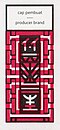
Deck Composition
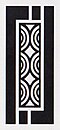
A single Ceki deck consists of 30 unique card types. These are divided into three distinct suits, with each suit containing nine pips (numbered cards) and one honor card. Because every card has a twin, a single deck contains a total of 60 cards. However, most standard games require at least two decks, bringing the total to 120 cards.
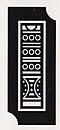
Understanding Card Values
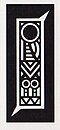
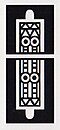
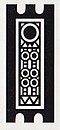
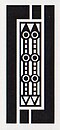
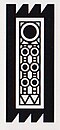
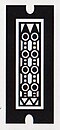
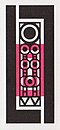
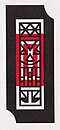
The determination of a card's value in Ceki varies by suit. Only the myriad suit features values explicitly written using Chinese numerals. For the other suits, players identify values through frame indices; cards sharing the same frame are considered to have the same value.
In many Ceki variations, the specific numerical value is less important than the ability to make visual matches. The three honor cards are unique in that their value is variable and depends entirely on the specific rules of the game being played.
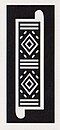
Suit Symbols and Origins
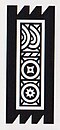
The three suits of Ceki are derived from Chinese cash (currency). Due to the abstract nature of the imagery, players in different regions of Southeast Asia often use idiosyncratic names for the suits, especially those unfamiliar with Chinese design conventions.
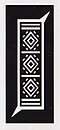
The Three Suits
- Coin: Represented by a single Chinese cash coin. It is known by various names, including tong (Hokkien for 'barrel'), piah (Hokkien for 'circle'), hitam, or batik.
- String: Represented by a string of cash coins. Common names include sok (Hokkien for 'string'), tiau (Hokkien counter for long objects), lintrik (Javanese for 'line'), or manik.
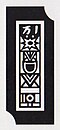
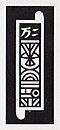
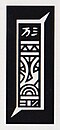
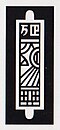
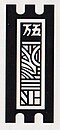
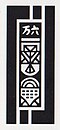
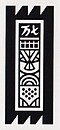
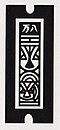
- Myriad: Originally referring to a unit of ten thousand cash coins (represented by the character 萬 / 万). Players who do not read Chinese often identify this suit by its figures, which are abstractions of characters from the classic novel Water Margin. It is commonly called ban (Hokkien for 'myriad'), wong (Javanese for 'people'), or cina.
Key Facts
- A single deck contains 60 cards (30 unique types, each with a twin).
- Most games utilize at least two decks (120 cards total).
- There are three suits: Coin, String, and Myriad.
- Each suit consists of 9 pips and 1 honor card.
- Only the Myriad suit has explicit Chinese numeral values.
- Suit imagery is based on ancient Chinese cash currency.
Summary of Ceki Deck Structure
| Suit | Pips | Honor Cards | Total Unique Cards | Total Cards (with twins) |
|---|---|---|---|---|
| Coin | 9 | 1 | 10 | 20 |
| String | 9 | 1 | 10 | 20 |
| Myriad | 9 | 1 | 10 | 20 |
| Total | 27 | 3 | 30 | 60 |
Frequently Asked Questions
How many cards are in a standard Ceki game?
While a single deck contains 60 cards, most games are played with at least two decks, totaling 120 cards.
What is a 'kepala' in the context of Ceki?
Kepala is the Javanese term used to refer to a Ceki deck.
How do players identify the value of Coin and String cards?
Since these suits lack explicit numerals, players use frame indices to determine value; cards with the same frame share the same value.
What is the origin of the Myriad suit's imagery?
The suit originally represented ten thousand cash coins, but the imagery is also recognized as abstractions of characters from the novel Water Margin.
Do honor cards have a fixed value?
No, the value of the three honor cards is variable and depends on the specific type of game being played.