Cat Biology, Behavior, and Domestication
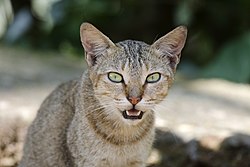
The domestic cat (Felis catus) is one of the most beloved companion animals worldwide. A small carnivorous mammal, the cat is prized for its agility, independent nature, and complex social behaviors. From their origins as wild hunters to their current status as household pets, cats possess a unique biological makeup that makes them apex predators in miniature.
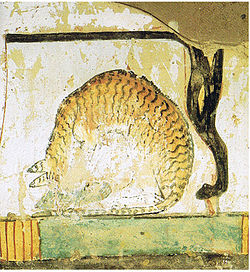
Historically, cats have held diverse roles in human society, from the sacred status they enjoyed in ancient Egypt to their practical use as pest controllers on ships and farms. Their evolution is a testament to their adaptability, allowing them to thrive in environments ranging from urban apartments to the rugged Altai Mountains of Russia.
Key Facts
- Scientific Name: Felis catus.
- Ancestry: Closely related to the African wildcat (Felis lybica).
- Diet: Obligate carnivores, meaning they require nutrients found only in animal flesh.
- Senses: Highly developed hearing, night vision, and a keen sense of smell.
- Physical Traits: Retractable claws and a specialized righting reflex for balance.
Taxonomy and Evolution
The domestic cat belongs to the family Felidae and the genus Felis. Phylogenetic analysis using nuclear and mitochondrial DNA reveals a close relationship between the domestic cat and various wildcat lineages. While mitochondrial DNA strongly links them to the African wildcat, nuclear DNA shows broader connections within the Felis genus, including the Sand cat, Chinese mountain cat, and European wildcat.
Physical Characteristics
Skeletal Structure and Agility
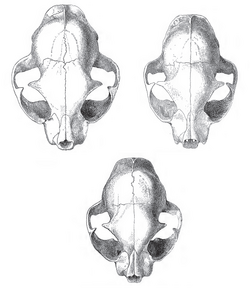
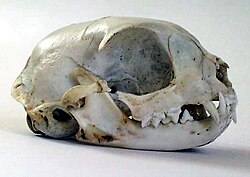
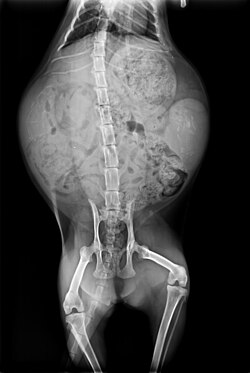
The cat's skeleton is designed for stealth and explosive power. Their skull is specialized for predation, and their limbs are built for efficient ambulation. One of their most remarkable traits is the righting reflex, a labyrinthine posture reflex that allows them to orient themselves in mid-air to land on their feet.
Specialized Tools: Claws and Coats
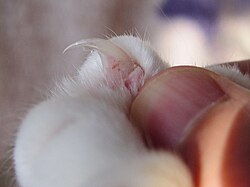
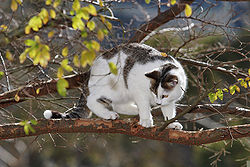
Cats possess retractable claws that remain sheathed during normal walking to keep them sharp and allow for silent movement. Their coats vary widely in color and pattern, which can sometimes influence human perceptions of their personality.
Sensory Capabilities
Cats experience the world through highly tuned senses:
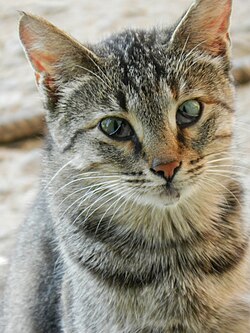
- Vision: Optimized for low-light conditions, though they have different color perception than humans.
- Hearing: Capable of detecting high-frequency sounds that are inaudible to humans.
- Touch: Whiskers (vibrissae) are highly sensitive tactile organs used to navigate and sense prey.
- Taste and Smell: A powerful olfactory system allows them to detect pheromones and specific prey scents.

Behavior and Intelligence
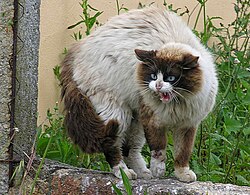
Cats are known for their complex social structures and communication methods. They use a combination of vocalizations, facial signals, and body language—such as the "tail up" position—to convey mood and intent. Grooming is a critical behavior for both hygiene and social bonding.
Hunting and Play
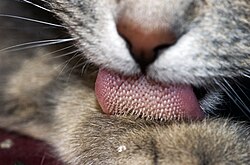
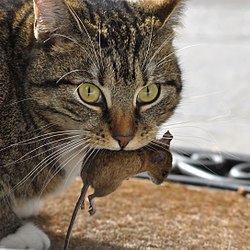
The instinct to hunt remains strong even in domesticated cats. Play behavior often mimics hunting sequences, involving stalking, pouncing, and batting. Their tongues are covered in filiform papillae, tiny hooks that help in grooming and stripping meat from prey.
Reproduction and Life Cycle
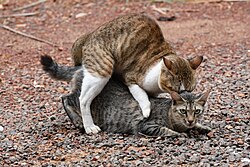
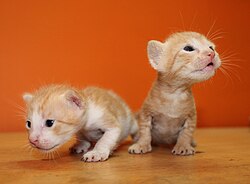
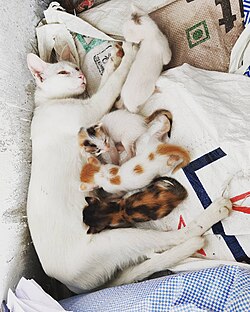
Cats are prolific breeders. During mating, the male (tomcat) typically bites the scruff of the female's neck while she exhibits lordosis, a specific mating posture. Kittens are born with strong instinctive behaviors, such as huddling together for warmth and protection.

Ecology and Human Interaction
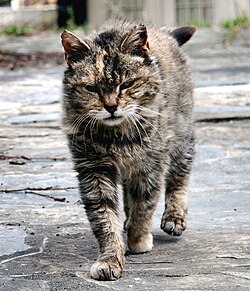
While domestic cats are cherished pets, feral populations can have a significant impact on local wildlife. Because they are efficient hunters, they are responsible for the deaths of billions of wild birds and various reptiles annually.

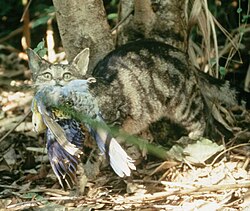
In human culture, cats have been depicted in art and mythology for millennia, appearing as companions to witches in paintings or as symbols of luck and mystery in various superstitions.


Summary of Feline Traits
| Feature | Description |
|---|---|
| Dietary Class | Obligate Carnivore |
| Key Sensory Organs | Whiskers, Nictitating membrane, High-frequency ears |
| Primary Ancestor | African Wildcat (Felis lybica) |
| Notable Reflex | Righting reflex (balance) |
| Social Behavior | Mixed (solitary hunters but capable of social colonies) |
Frequently Asked Questions
Why do cats have whiskers?
Whiskers are highly sensitive tactile organs that help cats navigate their environment, detect air currents, and judge the width of openings, especially in the dark.
What is the "righting reflex"?
The righting reflex is a biological mechanism involving the inner ear (labyrinth) that allows a cat to rotate its body in mid-air to ensure it lands on its feet.
Are domestic cats related to tigers?
Yes, they are both members of the family Felidae, though they belong to different lineages (domestic cats are in the Felinae subfamily, while tigers are in the Pantherinae subfamily).
Why are cats considered obligate carnivores?
Cats are obligate carnivores because their bodies require specific nutrients, such as taurine, that are only found in animal tissues and cannot be synthesized by the cat or obtained from plants.
How do cats communicate with humans?
Cats use a variety of methods including vocalizations (meowing, purring), body language (tail position, ear movement), and scent marking to communicate their needs and emotions.