Cartoonists: The Art and History of Visual Storytelling
A cartoonist is a specialized visual artist who masters the dual disciplines of drawing and writing. Unlike comic book artists or illustrators who may only handle the visual side of a project, a true cartoonist produces both the literary and graphic components of their work. Whether creating a single image or a sequence of panels, they are the sole architects of the story and the art.
The versatility of the profession allows cartoonists to work across a vast array of media. Their work can be found in comic strips, graphic novels, editorial cartoons, and webcomics, as well as in more commercial applications like advertisements, greeting cards, storyboards, manuals, and video game packaging.
Key Facts
- Dual Role: Cartoonists handle both the writing (literary) and drawing (graphic) aspects of their work.
- Terminology: While all cartoonists are comic artists, not all comic artists are cartoonists, as the latter implies authorial responsibility.
- Origins: The modern term "cartoon" as a humorous illustration was coined by Punch magazine in 1841.
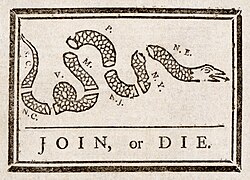
- First US Cartoon: Benjamin Franklin is credited with the first American newspaper cartoon, "Join, or Die," published in 1754.
- Political Influence: Editorial cartooning has long been used to lampoon political figures and hold leaders accountable.
Defining the Discipline
The field of cartooning is an interdisciplinary art. To understand the role, it is helpful to distinguish between a cartoonist and a comics illustrator. An illustrator typically focuses on the picture-making portion of the process. In contrast, a cartoonist takes full responsibility for the delivery of the lines and the narrative.
This distinction is often compared to the difference between a comedian and a comedy actor: the comedian writes and delivers their own material, while the actor performs a script written by someone else. Ambiguity often arises in the industry when writers and illustrators share duties, but the core of cartooning remains the integration of authorial and drafting skills.
The Evolution of Editorial Cartoons
Editorial cartooning emerged as a powerful tool for social and political commentary. In the 18th century, English satirist William Hogarth began poking fun at contemporary customs and politics, creating a style now known as "Hogarthian." This paved the way for James Gillray and Thomas Rowlandson in London. Gillray, often called the father of the political cartoon, used caricature—the exaggeration of physical features for comic effect—to challenge King George III, prime ministers, and generals.
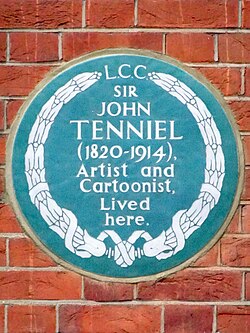
By 1841, Punch magazine popularized the term "cartoon" in its modern sense. One of its most prolific contributors was Sir John Tenniel, who produced over two thousand cartoons over a fifty-year period starting in 1850.
Cartooning in the United States
The roots of American cartooning trace back to Benjamin Franklin. On May 9, 1754, The Pennsylvania Gazette published "Join, or Die," which depicted the American colonies as segments of a snake. Although Franklin was not a professional cartoonist, this image marked a milestone in American publishing.
In the 19th century, professional cartoonists like Thomas Nast further evolved the medium. Working for Harper's Weekly, Nast introduced enduring American political symbols, including the Republican elephant.
The Rise of Comic Strips and Sequential Art
Humorous illustrated newspapers gained popularity in Britain during the 19th century, with The Glasgow Looking Glass appearing in 1825. Punch continued to lead the way in popularizing humorous caricatures, and by 1884, the character Ally Sloper appeared in one of the earliest serialized comic strips.
As the medium grew, syndicates helped distribute comic strips to mainstream newspapers. However, the credit for these works was not always transparent. For example, Frank Willard created Moon Mullins in 1923 and hired Ferd Johnson as an assistant. Despite Johnson doing the work solo for at least a decade before Willard's death in 1958, he received no credit during that time. When Johnson's name finally replaced Willard's, 25 newspapers dropped the strip, illustrating the significant power of a creator's "brand name" in the industry.
| Figure | Contribution | Era/Region |
|---|---|---|
| William Hogarth | Pioneered social satire (Hogarthian style) | 18th Century England |
| James Gillray | Father of the political cartoon; used caricature | 18th Century England |
| Benjamin Franklin | Published "Join, or Die" (first US newspaper cartoon) | 1754 USA |
| Sir John Tenniel | Prolific Punch illustrator and knighted cartoonist | 19th Century England |
| Thomas Nast | Created the Republican elephant symbol | 19th Century USA |
Frequently Asked Questions
What is the difference between a cartoonist and a comic book artist?
A cartoonist is responsible for both the writing and the drawing of the work. A comic book artist or illustrator may only be responsible for the visual art, often working from a script provided by a separate writer.
Who is considered the father of the political cartoon?
James Gillray is widely referred to as the father of the political cartoon due to his influential use of lampooning and caricature to hold political leaders accountable in England.
When was the term "cartoon" first used in its modern sense?
The term was coined in its modern sense as a humorous illustration by Punch magazine in 1841.
What was the first cartoon published in an American newspaper?
The first was "Join, or Die," published by Benjamin Franklin in The Pennsylvania Gazette on May 9, 1754.
How did syndicates affect the distribution of comic strips?
Syndicates allowed comic strips to achieve widespread distribution by selling the same strips to many different mainstream newspapers simultaneously.