Exploring the Caribou–Targhee National Forest
Spanning across the rugged landscapes of Idaho, Wyoming, and a small portion of Utah, the Caribou–Targhee National Forest represents a massive and vital piece of the American West. Covering over 2.63 million acres, this expansive forest is more than just a collection of trees; it is a critical component of the 20-million-acre Greater Yellowstone Ecosystem. Whether you are an avid angler, a wildlife enthusiast, or a hiker seeking solitude, this forest offers a diverse array of ecosystems and breathtaking natural wonders.
Managed by the U.S. Forest Service, the forest is a combination of the original Caribou and Targhee National Forests. It serves as a crucial ecological corridor, providing a link between the northern and southern Rocky Mountains that is essential for the restoration and movement of native wildlife.
Key Facts
- Total Area: 2,630,716 acres
- Location: Idaho, Wyoming, and Utah
- Governing Body: U.S. Forest Service
- Established: 1903
- Major Ecosystem: Part of the Greater Yellowstone Ecosystem
- Primary Wildlife: Grizzly bears, wolves, elk, moose, and bison
A Landscape of Diverse Ecosystems
The Caribou–Targhee National Forest is characterized by its varied terrain and vegetation. In the western sections, the landscape is dominated by a mixture of sagebrush and grasses. As you move toward the higher elevations in the east, the scenery shifts to dense forests of lodgepole pine, spruce, and fir.
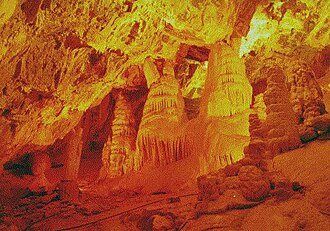
The forest is also home to unique geological features. The Jedediah Smith Wilderness is famous for its karst limestone formations—landscapes shaped by the dissolution of soluble rocks—which have created numerous caves throughout the area.
Wilderness Areas
Within the eastern sections of the forest, two designated wilderness areas provide protected habitats bordering several National Parks:
- Jedediah Smith Wilderness: Spanning 123,451 acres, this area sits on the western slope of the Teton Range. It offers spectacular views of the west face of the Teton peaks.
- Winegar Hole Wilderness: A smaller, 10,715-acre area located near Yellowstone National Park and the John D. Rockefeller, Jr. Memorial Parkway, specifically set aside to protect prime grizzly bear habitat.
Wildlife and Natural Resources
Because of its proximity to Yellowstone National Park, the forest hosts much of the same megafauna (large animals) found in the park. Visitors may encounter black bears, wolves, elk, moose, mule deer, bison, cougars, and pronghorn. Conservation efforts are also active here, including a peregrine falcon recovery program aimed at returning the species to its ancestral range.
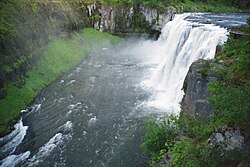
For those drawn to the water, the forest is a premier destination for fishing. The streams and lakes are home to brook trout, pike, and are considered one of the best locations in the world for cutthroat trout.
Recreation and Access
The forest is highly accessible for outdoor enthusiasts, featuring 1,600 miles of trails and dozens of campgrounds. Notable access points include:
- Alaska Basin: High-altitude trails located immediately west of the main Teton Range peaks, which also provide access to Grand Teton National Park.
- Big Springs: Located in Island Park, this is a first-magnitude spring (a spring with a very high discharge rate) that serves as the source of the South Fork of Henrys Fork.
Forest Composition and Administration
The forest is divided into two primary administrative sections, each with its own distinct characteristics and management offices.
The Caribou National Forest
The smaller, more southern section covers 987,221 acres across southeastern Idaho, western Wyoming, and northern Utah. Local ranger district offices are located in Montpelier, Pocatello, and Soda Springs, Idaho.
The Targhee National Forest
The larger, more northern section covers 1,643,501 acres in eastern Idaho and northwestern Wyoming. Management offices are located in Ashton, Driggs, Dubois, Idaho Falls, and Island Park, Idaho.
| Feature | Caribou National Forest | Targhee National Forest |
|---|---|---|
| Approximate Area | 987,221 acres | 1,643,501 acres |
| Primary States | ID, WY, UT | ID, WY |
| Key Ranger Districts | Montpelier, Pocatello, Soda Springs | Ashton, Driggs, Dubois, Idaho Falls, Island Park |
Frequently Asked Questions
What makes the Caribou–Targhee National Forest ecologically important?
The forest acts as a vital ecological corridor, linking the northern and southern Rocky Mountains. This connectivity is essential for restoring native wildlife communities and allowing species to move through their natural habitats.
What kind of fishing can I do in the forest?
The forest is world-renowned for cutthroat trout fishing. You can also find brook trout and pike in the various lakes and streams throughout the region.
Are there any designated wilderness areas?
Yes, there are two: the Jedediah Smith Wilderness, known for its limestone caves and Teton views, and the Winegar Hole Wilderness, which is primarily used to protect grizzly bear habitats.
Which major National Parks border the forest?
The forest borders Yellowstone National Park and Grand Teton National Park to the east.
Where is the main administrative office located?
The combined Caribou–Targhee National Forest is managed by the Forest Service from offices located in Idaho Falls, Idaho.