Caracas: The Vibrant Capital of Venezuela
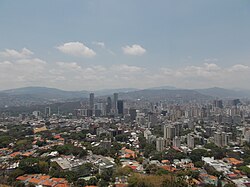
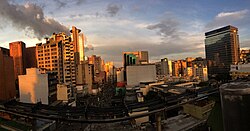
Nestled in a narrow valley beneath the towering peaks of the coast range, Caracas serves as the political, cultural, and economic heart of Venezuela. Known by poetic nicknames such as La Ciudad de la Eterna Primavera (The City of Eternal Spring) and La Sultana del Ávila, the city blends a complex colonial history with mid-century modernism and a bustling urban energy.
Founded as Santiago de León de Caracas on July 25, 1567, by Diego de Losada, the city has evolved from a colonial outpost into a sprawling metropolis. Today, it stands as the largest city in Venezuela and the sixth-largest in South America, acting as the primary hub for the nation's government and media.
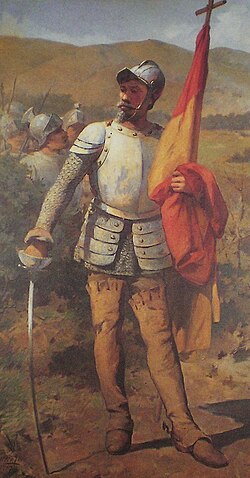
Key Facts
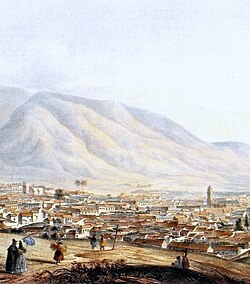
- Founded: July 25, 1567, by Diego de Losada.
- Population: Approximately 3,242,000 in the city and 5,297,026 in the metro area (2022).
- Geography: Located at an average elevation of 900 meters (3,000 ft).
- Climate: Tropical highland climate with an average annual precipitation of 1,104.1 mm.
- Administrative Status: Capital of Venezuela and the Capital District.
- Motto: Seguid El Ejemplo Que Caracas Dio (Then Follow the Example that Caracas Gave).
Geography and Climate
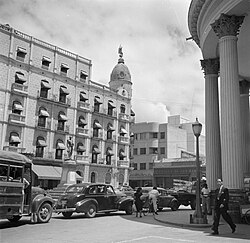
Caracas is defined by its dramatic topography. The city is bordered to the north by the Ávila National Park, a massive mountain range that provides a stunning backdrop and influences the local weather. The elevation varies from a low of 870 meters to a high of 1,400 meters.
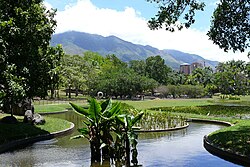
The climate is characterized by mild temperatures year-round, avoiding the extreme heat found in lower coastal regions. The warmest months are typically March through May, with mean daily maximums reaching around 29°C. The rainy season peaks between June and November, with October seeing the highest average precipitation at 144.3 mm.
Urban Development and Landmarks
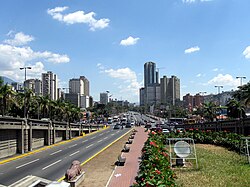
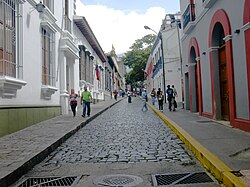
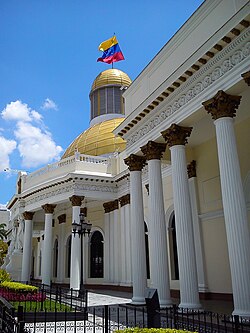
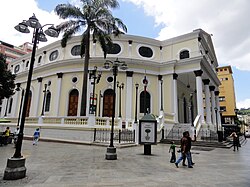
The urban landscape of Caracas is a mixture of historic centers and modern infrastructure. The city is divided into several municipalities, including Libertador, Baruta, Sucre, El Hatillo, and Chacao. The historic center remains a focal point for government and culture, housing the Federal Legislative Palace and the Municipal Theatre.
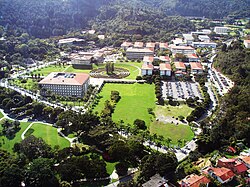
Key landmarks include the National Pantheon and the University City of Caracas. The latter is a masterpiece of modern architecture and a UNESCO World Heritage site. The city's layout also features prominent public spaces like Plaza Venezuela and Plaza Francia.
Education and Culture
Caracas is the intellectual center of Venezuela, hosting a vast array of higher education institutions. The Central University of Venezuela (UCV) and the Simón Bolívar University are among the most prestigious. The city also hosts specialized institutions like the Bolivarian Military University and the Universidad Nacional Experimental de las Artes (UNEARTE).
Culturally, the city is a media powerhouse. It is the headquarters for major newspapers such as El Nacional and El Universal, as well as numerous television networks including Venevisión, Televen, and Telesur. In sports, the city is passionate about football, with the Olympic Stadium hosting the Caracas Fútbol Club and Deportivo La Guaira.
Transportation and Infrastructure
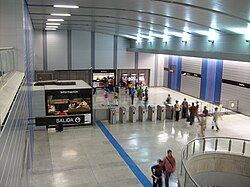
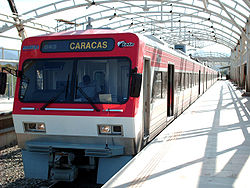
To manage its dense population, Caracas utilizes a multi-modal transport system. The Caracas Metro is the primary artery for urban transit, complemented by the Metrocable (a cable car system) which provides essential transport to residents in the hillside communities.
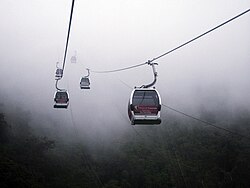
Additionally, the city is connected to surrounding areas via the Railway Caracas–Cúa and an extensive network of roads and highways that link the capital to the rest of the country.
City Overview Summary
| Category | Details |
|---|---|
| Official Name | Santiago de León de Caracas |
| Coordinates | 10°30′22″N 66°54′52″W |
| Area (City) | 433 km² |
| Metro Area Population | 5,297,026 |
| Time Zone | UTC−04:00 (VET) |
| Sister Cities | Madrid, Rio de Janeiro, New Orleans, Tehran, among others |
Frequently Asked Questions
Who founded the city of Caracas?
Caracas was founded on July 25, 1567, by the Spanish conquistador Diego de Losada.
What is the climate like in Caracas?
The city enjoys a tropical highland climate, often called the "City of Eternal Spring" due to its mild temperatures and consistent weather, with an average annual rainfall of approximately 1,104 mm.
What are the main modes of public transport in the city?
The primary modes of transport are the Caracas Metro, the Metrocable cable car system, and the Railway Caracas–Cúa.
Which major universities are located in Caracas?
The city is home to several prominent institutions, most notably the Central University of Venezuela (UCV) and the Simón Bolívar University.
What is the significance of Ávila National Park?
Ávila National Park is a massive mountain range that borders the city to the north, serving as a critical geographic boundary, a recreational area, and a major influence on the city's climate.