Cameroon: A Comprehensive Overview of Central Africa's Diverse Nation
Located in the heart of Africa, the Republic of Cameroon is a nation characterized by profound cultural diversity, complex political history, and a varied landscape. Known for its significant ethnic variety and dual linguistic heritage, Cameroon serves as a vital crossroads in Central Africa.
From the bustling seaport of Douala to the administrative capital of Yaoundé, the country encompasses a wide range of environments and social structures. This article provides a detailed look at the nation's demographics, governance, economy, and rich cultural tapestry.
Key Facts
- Official Languages: French and English.
- Capital City: Yaoundé.
- Largest City: Douala.
- Currency: Central African CFA franc (XAF).
- Motto: "Paix – Travail – Patrie" (Peace – Work – Fatherland).
- Population Estimate (2025): Approximately 30,987,821.
Demographics and Society
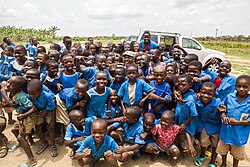
Cameroon is home to a vast array of ethnic groups, contributing to a rich social fabric. The population has seen significant growth, rising from roughly 4.4 million in 1950 to an estimated 30.9 million by 2025.
Ethnic Diversity
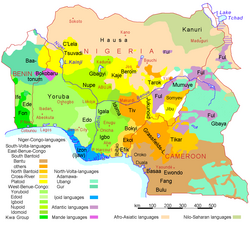
The nation is composed of numerous ethnic groups. According to 2022 data, the largest groups include the Bamileke and Bamun (22.2%), the Biu-Mandara (16.4%), and the Beti-Bassa (13.1%). Other significant groups include the Shuwa Arab, Hausa, and Kanuri, the Fulani, and the Tikar.
Religious Landscape
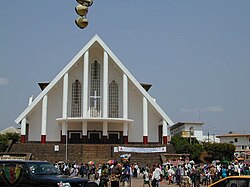
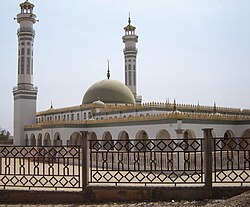
Religion plays a central role in Cameroonian life. The majority of the population identifies as Christian (66.3%), with Catholics making up 33.1% and Protestants 27.1%. Islam is the second-largest religious group at 30.6%. Traditional faiths account for approximately 1.3% of the population.
Governance and Political History
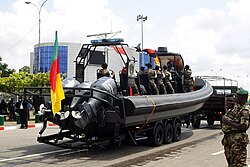
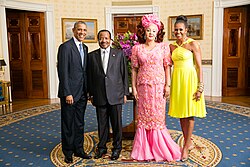
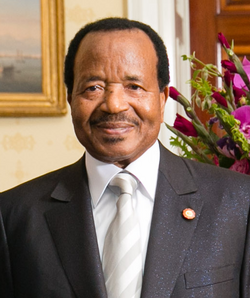
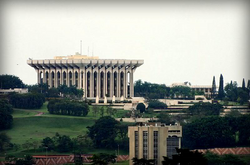
Cameroon is a unitary presidential republic. The current political leadership is headed by President Paul Biya, who has held office since 1982.
Political Structure
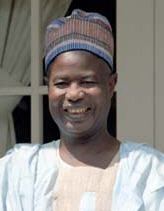
The government is organized into several branches, including a legislature consisting of a Senate (upper house) and a National Assembly (lower house). The current Prime Minister is Joseph Ngute, and the President of the Senate is Aboubakary Abdoulaye.
Historical Evolution
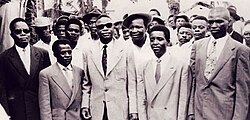
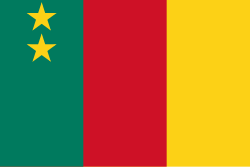
The modern state of Cameroon emerged from a complex history of colonization and independence. The French Cameroons gained independence from France on January 1, 1960, followed by the independence of other territories on October 1, 1961. A constitutional referendum in 1972 established the current Unitary State.
Geography and Economy
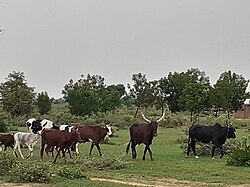
Spanning 475,442 square kilometers, Cameroon's geography is diverse, ranging from coastal regions to volcanic landscapes and northern plains.
Economic Indicators
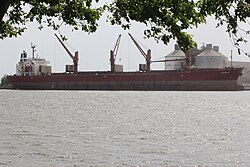
The economy is measured through both nominal GDP and Purchasing Power Parity (PPP). As of 2026 estimates, the total nominal GDP is projected at $67.520 billion, while the total GDP (PPP) is estimated at $183.320 billion. The country utilizes the Central African CFA franc for its transactions.
Regional Diversity and Wildlife
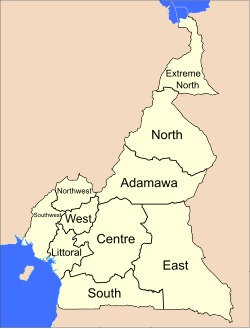
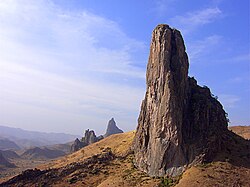
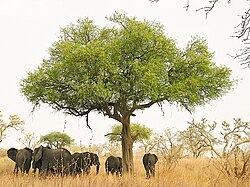
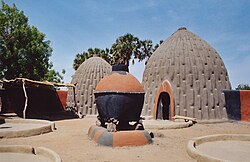
Cameroon is divided into 10 distinct regions. The landscape features unique geological formations, such as the volcanic plugs found near Rhumsiki, and diverse wildlife habitats like Waza National Park.
Culture, Cuisine, and Lifestyle
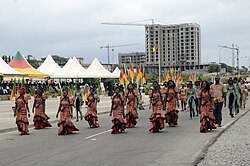
Cameroonian culture is a vibrant blend of traditional customs and modern influences, visible in its music, dance, fashion, and culinary arts.
Cuisine and Fashion
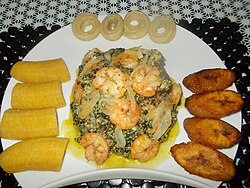
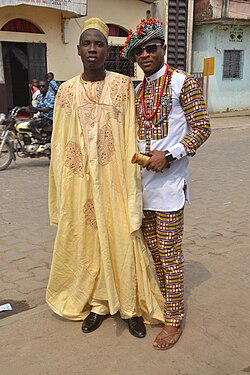
Traditional foods often feature staples like plantains and cassava. A notable dish is Ndolè, typically served with meat or shrimp. Fashion in Cameroon is highly varied, frequently mixing modern elements like smartwatches and sunglasses with traditional attire.
Arts and Traditions
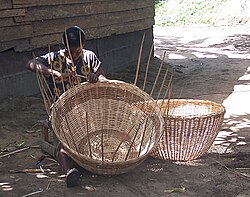
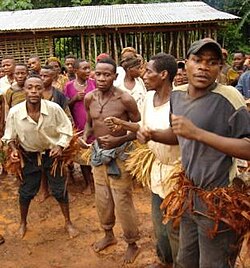
Handicrafts, such as basket weaving, are practiced throughout the country. Traditional dances remain a vital part of community celebrations and welcoming visitors.
| Category | Details |
|---|---|
| Capital | Yaoundé |
| Largest City | Douala |
| Official Languages | French, English |
| Total Area | 475,442 km² |
| Currency | Central African CFA franc (XAF) |
| Primary Religions | Christianity (66.3%), Islam (30.6%) |
Frequently Asked Questions
What are the official languages of Cameroon?
The official languages of Cameroon are French and English.
Who is the current President of Cameroon?
Paul Biya has served as the President of Cameroon since 1982.
What is the capital of Cameroon?
The capital city of Cameroon is Yaoundé.
How many regions is Cameroon divided into?
Cameroon is administratively divided into 10 regions.
What is the main currency used in Cameroon?
The currency used is the Central African CFA franc (XAF).