Caltha: A Comprehensive Overview of the Marsh Marigold Genus
The genus Caltha comprises a fascinating group of rhizomatous perennial flowering plants belonging to the Ranunculaceae family, commonly known as the buttercup family. With ten recognized species, these plants have adapted to thrive in moist environments across temperate and cold regions in both the Northern and Southern Hemispheres. From the iconic Marsh Marigold to specialized alpine species, Caltha represents a diverse lineage of hardy herbs.
Key Facts
- Family: Ranunculaceae (Buttercup family).
- Habitat: Primarily moist soils, marshes, and fresh waters.
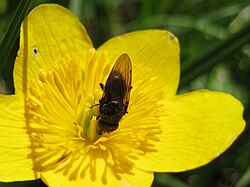
- Flower Structure: Star-shaped flowers that lack true petals and nectaries, relying instead on colorful sepals.
- Leaf Morphology: Ranges from kidney-shaped to complex diplophyllous leaves (where leaf appendages form distinct folds).
- Global Presence: Found in both Northern and Southern Hemispheres.
Botanical Characteristics and Morphology
Caltha species are typically hairless, perennial herbs ranging in height from 1 cm to 80 cm. Their growth habit is characterized by alternate leaves that vary significantly depending on the species and hemisphere.
Leaf Variations
In the Northern Hemisphere, leaves are generally kidney-shaped or elongated heart-shaped with simple toothed or scalloped margins. However, Southern Hemisphere species often exhibit diplophylly, a condition where the basal lobes of the leaf are merged with the top lobe to form distinct appendages. For example, C. dionaeifolia features leaves reminiscent of a Venus flytrap, with lobes folded toward each other.
Floral Anatomy
The flowers of Caltha are actinomorphic, meaning they possess radial symmetry. Interestingly, these flowers lack true petals and nectaries. Instead, they utilize five to thirteen colored sepals—ranging from yellow and white to rare shades of orange, red, or magenta—to attract pollinators. Surrounding the central carpels is a circle of stamens, which can number anywhere from 6 to 120 depending on the species.
Species Diversity and Classification
The genus is divided into several distinct groups based on leaf structure, pollen type, and habitat. While most species are terrestrial, Caltha natans is uniquely adapted to grow floating in fresh water or on mud.
| Species | Common Characteristics | Primary Habitat |
|---|---|---|
| C. palustris | Yellow flowers, tricolpate pollen, large variety | Fens, ditches, and wet woods |
| C. natans | Floating stems, kidney-shaped leaves | Fresh water or mud |
| C. dionaeifolia | Dwarf size (1–3 cm), Venus flytrap-like leaves | Wet grasslands (South America) |
| C. leptosepala | White sepals, highly variable morphology | Western North America |
| C. obtusa | Spade-shaped leaves, scalloped margins | New Zealand subalpine fields |
Taxonomic History and Evolution
The botanical history of Caltha is long-standing. While Joseph Pitton de Tournefort provided early descriptions under the name Populago in 1700, the name Caltha palustris was formally established by Carl Linnaeus in his 1753 work, Species Plantarum. Modern phylogenetic studies, utilizing chloroplast and nuclear DNA sequences, continue to refine our understanding of how these species are related within the Ranunculales order.
Frequently Asked Questions
Do Caltha flowers have petals?
No, Caltha flowers lack true petals. The colorful, star-shaped appearance is actually created by the sepals, which serve the visual function of petals.
What is the difference between Northern and Southern Caltha species?
Northern species typically have kidney or heart-shaped leaves without complex appendages. Southern species often exhibit diplophylly, where the leaf has specialized appendages or lobes that fold toward the main leaf blade.
Can Caltha plants grow in water?
Most Caltha species are terrestrial plants that prefer moist soil, but Caltha natans is specifically adapted to grow as an aquatic plant, with stems that root at the nodes and leaves that float.
What is tricolpate pollen?
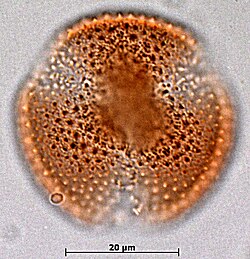
Tricolpate refers to a type of pollen grain that has three apertures or slits. While most Caltha species have this pollen type, some varieties, such as C. leptosepala ssp. howellii, exhibit pantoporate pollen, which has many rounded apertures across the surface.
Where are Caltha plants most commonly found?
They are widely distributed in temperate and cold regions of both the Northern and Southern Hemispheres, often found in alpine meadows, marshes, fens, and along stream banks.