Cadmium: Properties, Industrial Uses, and Environmental Impact
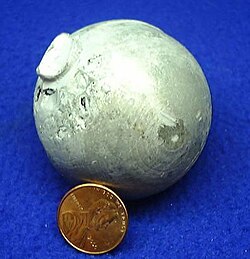
Cadmium is a silvery bluish-gray metallic element that occupies position 48 on the periodic table. Known for its unique chemical properties and versatility in industrial applications, this d-block element is a member of group 12 and period 5. While it plays significant roles in modern technology—ranging from energy storage to specialized pigments—it is also recognized as a toxic heavy metal that requires careful handling and environmental monitoring.
Key Facts
- Atomic Number: 48
- Appearance: Silvery bluish-gray metal
- Standard Atomic Weight: 112.414 ± 0.004
- Primary Uses: Electroplating, Ni–Cd batteries, and bright pigments
- Safety Status: Classified as a hazardous substance with high toxicity
Chemical and Physical Characteristics
Cadmium is a solid at standard temperature and pressure (STP) with a hexagonal close-packed (hcp) crystal structure. It possesses a melting point of 594.22 K (321.07 °C) and a boiling point of 1040 K (767 °C). In its liquid state at the melting point, its density is approximately 7.996 g/cm³, compared to 8.649 g/cm³ in its solid form.
Chemically, cadmium exhibits common oxidation states of +2, −2, 0, and +1. It is a diamagnetic element, meaning it is not significantly attracted to magnetic fields. Its electrical resistivity is measured at 72.7 nΩ⋅m at 22 °C, and it has a Mohs hardness of 2.0.

Isotopes and Atomic Structure
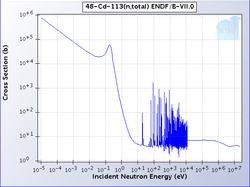
Cadmium consists of several isotopes, some of which are stable and others that are synthetic or radioactive. For instance, Cd-114 is the most abundant stable isotope at 28.8%, while Cd-113 is also stable. Other isotopes, such as Cd-113m, are synthetic and undergo decay processes.
Historical Context and Discovery
The element was named after calamine, the mineral in which it was originally found. The naming itself traces back to the mythological figure Cadmea. The discovery and first isolation of the element are credited to Karl Samuel Leberecht Hermann and Friedrich Stromeyer in 1817.

Industrial and Technological Applications
Since the industrial-scale production of cadmium began in the 1930s and 1940s, its utility has expanded across several sectors:
Electroplating and Pigments
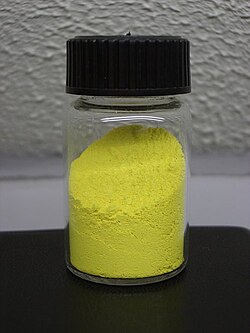
Historically, a major application of cadmium was the coating of iron and steel to prevent corrosion. In the mid-20th century, a significant portion of US cadmium consumption was dedicated to plating. Additionally, cadmium sulfides and selenides are used to create vibrant red, orange, and yellow pigments.

Batteries and Electronics
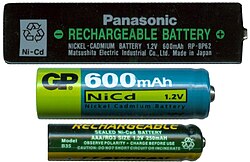
Cadmium is a critical component in Nickel-Cadmium (Ni–Cd) batteries, which are widely used for their rechargeable capabilities. Beyond energy storage, cadmium is utilized in specialized lighting, such as helium-cadmium metal vapor lasers, which produce highly monochromatic violet light at the 441.563 nm transition line.

Advanced Materials and Research
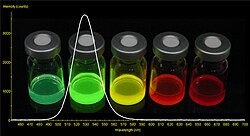
In modern science, cadmium plays a role in nanotechnology through colloidal CdSe quantum dots, which exhibit unique photoluminescence. It is also used in semiconductor research and various laboratory settings.
Safety, Toxicity, and Environmental Impact
Despite its utility, cadmium is a highly regulated substance due to its toxicity. It is classified under the Globally Harmonized System (GHS) with the signal word Danger. Exposure can lead to serious health risks, including potential carcinogenicity and damage to organs.

Environmental contamination is a significant concern. Cadmium can enter ecosystems through various pathways, leading to contamination in soil and water bodies, which can subsequently affect food chains. For example, the Jinzū River area has experienced cadmium contamination.

Summary of Physical Properties
| Property | Value |
|---|---|
| Atomic Number | 48 |
| Melting Point | 594.22 K |
| Boiling Point | 1040 K |
| Density (Solid) | 8.649 g/cm³ |
| Electronegativity (Pauling) | 1.69 |
| Mohs Hardness | 2.0 |
Frequently Asked Questions
What are the primary uses of cadmium?
Cadmium is primarily used for electroplating to prevent corrosion, in the production of Ni–Cd rechargeable batteries, and in the creation of bright pigments (red, orange, and yellow) using cadmium sulfides and selenides.
How toxic is cadmium to humans?
Cadmium is highly toxic. It is classified as a hazardous substance that can cause serious health effects through inhalation or ingestion. It is recognized for its potential to cause organ damage and is subject to strict safety regulations.
Why is cadmium used in pigments?
Cadmium compounds, such as cadmium sulfide, are used because they produce very bright and stable colors, specifically in the red, orange, and yellow spectrums.
What is the role of cadmium in lasers?
Cadmium is used in helium-cadmium metal vapor lasers to produce highly monochromatic violet light, specifically at the 441.563 nm transition line.
How does cadmium affect the environment?
Cadmium can contaminate soil and water systems, posing a risk to biological organisms and potentially entering the food supply, which necessitates careful management of industrial waste and runoff.