The Fascinating World of Cacti: Evolution, Adaptation, and Diversity
Cacti are among the most recognizable plants on Earth, often serving as the universal symbol for arid, desert landscapes. However, these resilient organisms are far more complex than their prickly exteriors suggest. From tiny, globe-shaped species to towering columns that reach toward the sky, the family Cactaceae showcases an incredible array of biological engineering designed to conquer some of the harshest environments on the planet.
Belonging to the order Caryophyllales, cacti have a rich evolutionary history spanning approximately 35 million years. While many associate them exclusively with deserts, their diversity extends to tropical forests, where some species grow as climbing epiphytes—plants that live upon other plants.
Key Facts
- Defining Feature: All cacti possess areoles, which are highly reduced branches from which spines and flowers emerge.
- Water Efficiency: Most cacti use Crassulacean Acid Metabolism (CAM), a specialized form of photosynthesis that allows them to open their pores (stomata) at night to reduce water loss.
- Size Extremes: The smallest cactus is Blossfeldia liliputiana (approx. 1 cm), while the tallest is Pachycereus pringlei (up to 19.2 m).
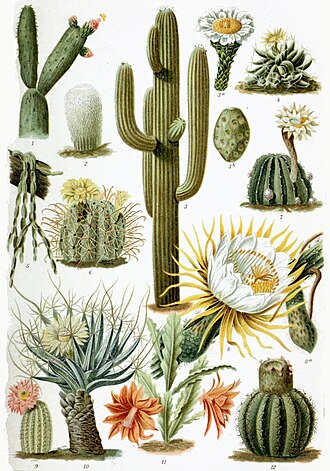
- Growth Patterns: Cacti exhibit various forms, including arborescent (tree-like), columnar, globular, and epiphytic.
- Root Systems: Many species utilize extensive but shallow root systems to rapidly absorb surface moisture from light rainfall.
Biological Adaptations for Survival
Metabolism and Photosynthesis
To survive in environments where water is scarce, most cacti have evolved Crassulacean Acid Metabolism (CAM). In standard "C3" plants, photosynthesis requires opening stomata (tiny pores) during the day, which leads to significant water loss through transpiration (the evaporation of water from plant tissues). Cacti avoid this by performing gas exchange at night. They absorb carbon dioxide when it is cooler and more humid, storing it as malic acid to be used for photosynthesis once the sun rises.

Morphology: Stems, Spines, and Leaves
The cactus stem is a multifunctional organ. Many stems are ribbed or fluted, often following Fibonacci numbers (such as 2, 3, 5, 8, 13, etc.). This structural design allows the stem to expand like an accordion to store water after rain and contract during droughts without damaging the plant tissue.
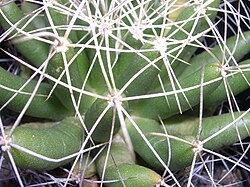
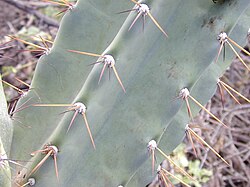
While many cacti appear "leafless," many species actually possess tiny leaves, often less than 1.5 mm long. These are thought to play a role in producing plant hormones like auxin rather than primary photosynthesis. Instead, the stem takes over the photosynthetic duties. The iconic spines of a cactus are produced from areoles. These specialized structures serve as protective barriers and sites for flower production.

Root Systems and Water Absorption
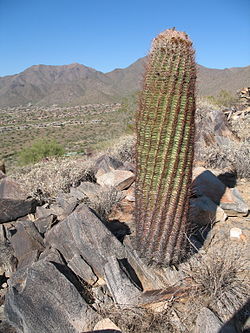
Cacti are masters of rapid hydration. Many possess wide-reaching, shallow root systems designed to catch moisture before it evaporates from the soil surface. For example, a young saguaro may have a root system spanning 2 meters in diameter despite being only 12 cm tall. Some species, such as Ferocactus cylindraceus, can absorb significant amounts of water from as little as 7 mm of rainfall within just 12 hours.
Diversity of Forms and Species
Growth Habits
The family Cactaceae is categorized into several subfamilies, including Pereskioideae, Opuntioideae, Maihuenioideae, and Cactoideae. Their growth habits vary wildly:
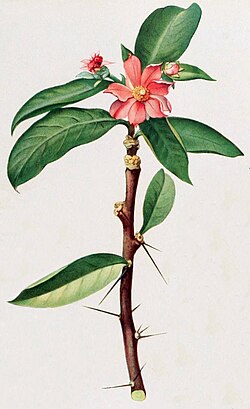
- Arborescent: Tree-like cacti such as Pereskia aculeata, which possess persistent leaves and bark-covered stems.
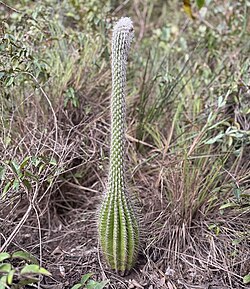
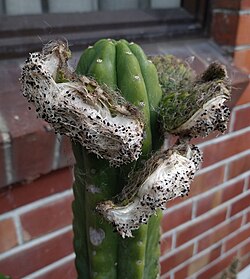
- Columnar: Tall, upright forms like the Cephalocereus or the shorter, clustered Ferocactus pilosus.
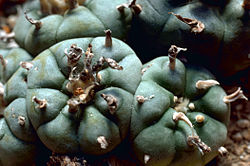
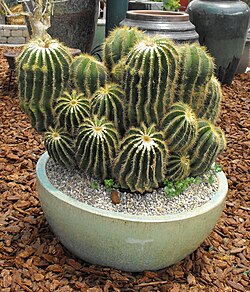
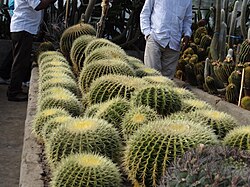
- Globular: Round, ball-shaped cacti like Ferocactus echidne, which maximize water storage volume while minimizing surface area.
- Epiphytic: Tropical climbers like the Schlumbergera (Christmas cactus) that grow on trees in forest environments.
Human Interaction: Food, Medicine, and Ornamentals
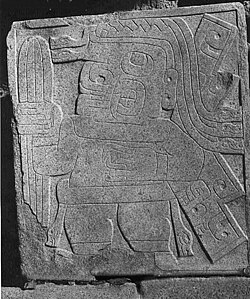
Humans have interacted with cacti for millennia. Archaeological evidence, including cave paintings in Brazil and ancient middens in Mexico and Peru, suggests that hunter-gatherers collected cactus fruits as far back as 12,000 years ago. Today, cacti serve several roles:
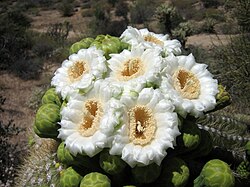
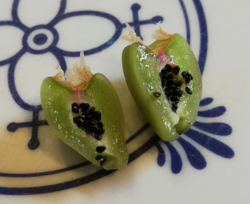
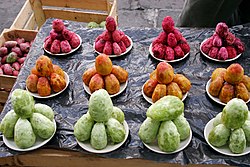
- Food: Many species produce edible fruits, such as the saguaro or dragon fruit, and some species like Opuntia provide edible pads (nopales).
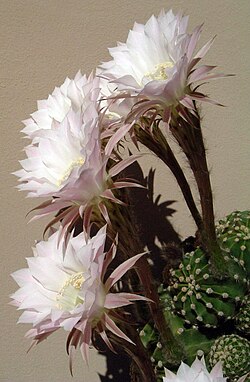
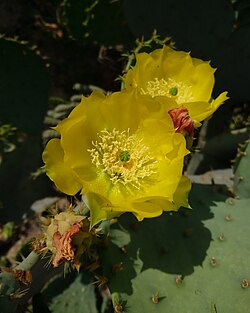
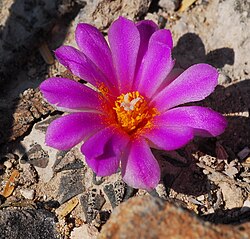
- Ornamental: Cacti are highly prized in horticulture for their unique shapes and striking flowers.
- Conservation: Due to habitat loss and illegal collection, some species, such as Ariocarpus kotschoubeyanus, are protected under CITES Appendix I.
| Feature/Category | Details/Examples |
|---|---|
| Tallest Species | Pachycereus pringlei (up to 19.2 m) |
| Smallest Species | Blossfeldia liliputiana (approx. 1 cm) |
| Key Adaptation | CAM Photosynthesis (Night-time CO2 uptake) |
| Primary Structure | Areoles (specialized reduced branches) |
| Water Storage | Ribbed stems and globular shapes |
Frequently Asked Questions
What is the main difference between a cactus and other succulents?
The presence of areoles is the defining characteristic. While many plants are succulent (storing water in fleshy tissues), only members of the Cactaceae family possess areoles, which are the specialized structures from which spines and flowers grow.
How do cacti survive without much rain?
Cacti use a combination of strategies: shallow, wide-reaching roots for rapid absorption, ribbed stems that expand to store large volumes of water, and CAM photosynthesis to prevent water loss during the heat of the day.
Can all cacti be grown as houseplants?
While many are popular ornamentals, care requirements vary. Some require high light and warmth, while others, particularly those from high-altitude regions, may be frost-hardy if kept dry. It is important to match the cultivation method to the specific species.
Why do some cacti look like trees?
Genera such as Pereskia and Rhodocactus are considered more ancestral forms. Unlike the typical desert cactus, these species possess persistent leaves and bark-covered stems, making them resemble traditional trees or shrubs.
How are cacti propagated?
Cacti can be propagated through several methods: seeds, cuttings, or grafting. When growing from seed, a moist medium and a temperature range of 18–30 °C are generally recommended for successful germination.