Cabaret: A Global History of Theatrical Entertainment
Cabaret is a multifaceted form of theatrical entertainment that blends music, song, dance, recitation, and drama. Typically hosted in intimate venues such as nightclubs, restaurants, hotels, or casinos, it creates a unique atmosphere where the audience dines and drinks at tables while watching a performance on stage. These shows are traditionally led by a master of ceremonies (M.C.) who guides the evening's flow.
While its roots are deeply European and often associated with underground or adult-oriented themes, cabaret has evolved globally. In the United States, the term has expanded to include burlesque, drag shows, striptease, and solo vocalists accompanied by a pianist.
Key Facts
- Origins: Derived from the 12th-century Picard or Walloon words camberete or cambret, meaning a small room.
- Modern Birth: Le Chat Noir, founded in 1881 in Montmartre, is considered the first modern cabaret.
- Cultural Impact: Historically served as a hub for bohemians, artists, and political dissidents.
- Global Variations: Includes Dutch kleinkunst (small art) and German Kabarett, known for gallows humor.
- Iconic Venues: The Moulin Rouge is world-famous as the birthplace of the French Cancan.
The Evolution of Cabaret in France
Cabarets appeared in Paris as early as the late 15th century. Initially, they were distinguished from taverns by their service; cabarets provided food and cloth-covered tables, charging by the plate rather than the mug. By the 17th century, they became essential meeting spots for legendary writers and artists, including Moliere, Racine, and La Fontaine.
In 1773, the cabaret Le Caveau became a center for poets and musicians to compose and sing songs, though it was eventually forced to close in 1816 due to songs that mocked the royal government.
The Rise of the Café-Concert
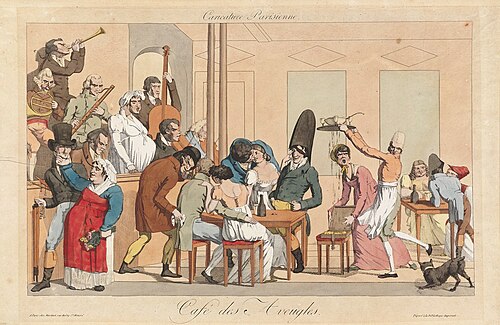
The 18th century saw the emergence of the café-concert (or café-chantant), which integrated food with magicians, singers, and music. A notable example was the Cafe des Aveugles, which featured an orchestra of blind musicians.
The Modern Era: Le Chat Noir and Beyond
The modern cabaret era began in 1881 with Rodolphe Salis and Le Chat Noir in Montmartre. This venue bridged the gap between the Parisian elite and the bohemian underground, blending entertainment with sharp political satire. The composer Eric Satie famously earned his living playing the piano here.
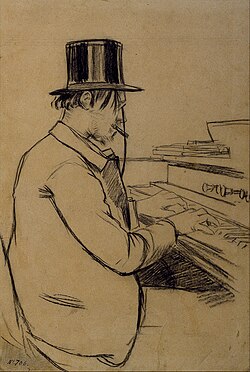
By 1896, Paris hosted 56 cabarets and music halls. While some focused on current events and politics, others explored the macabre or the erotic, such as the Caberet de la fin du Monde.
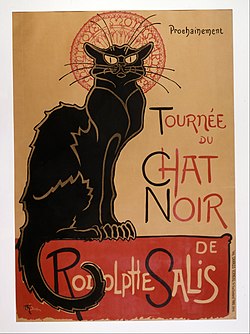
Music Halls and the Moulin Rouge
The music hall, originating in London, arrived in Paris in 1862, offering more lavish productions. The Moulin Rouge, opened in 1889 by Joseph Oller, became a global icon known for its red windmill and the French Cancan. It launched the careers of stars like Édith Piaf and Mistinguett, and was immortalized by the posters of Henri de Toulouse-Lautrec.
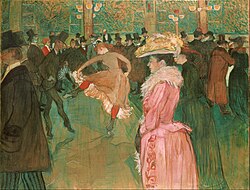
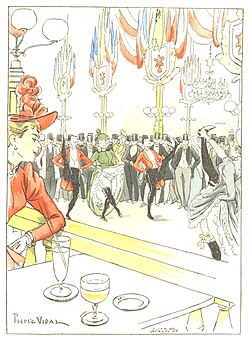
Throughout the 20th century, venues like the Folies Bergère and the Casino de Paris competed with the rise of cinema by creating more spectacular shows. Later, the Crazy Horse Saloon (1951) and Le Lido (1946) continued the tradition of high-production dance and variety acts.
International Developments
The Netherlands and Germany
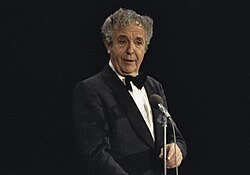
In the Netherlands, cabaret is known as kleinkunst ("small art"). Established around 1895, it blends stand-up comedy, music, and social themes. Germany's Kabarett developed around 1901, evolving during the Weimar era into a vehicle for biting political satire and a distinct style of "gallows humor."
The United States
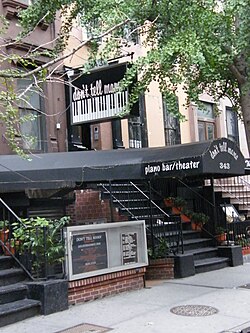
Imported from France in 1911, American cabaret was heavily influenced by jazz. In Chicago, it flourished in speakeasies during the Prohibition Era. In New York, the focus shifted toward legendary vocalists such as Nina Simone and Eartha Kitt. Today, a revival is occurring in cities like New Orleans and Seattle, blending original music with burlesque.
Other Global Traditions
- Poland: Interwar Poland featured Yiddish-language cabarets known as kleynkunst.
- United Kingdom: The Cave of the Golden Calf (1912) introduced the avant-garde cabaret concept to London.
- Iran: Tehran's Laleh-Zar Street was a hub for Persian cabarets until 1979.
- Sweden: The 1970s saw the rise of underground shows like the Fattighuskabarén in Stockholm.
- Serbia: The first dedicated cabaret club, Lafayette, opened in Belgrade in 2019.
Cabaret Summary Table
| Region | Local Term/Style | Primary Characteristics | Key Era/Origin |
|---|---|---|---|
| France | Cabaret / Music Hall | Satire, Cancan, lavish productions | 15th C. (Early) / 1881 (Modern) |
| Netherlands | Kleinkunst | Comedy, music, social themes | 1895 |
| Germany | Kabarett | Gallows humor, political satire | 1901 |
| United States | Cabaret / Burlesque | Jazz influence, vocalists, striptease | 1911 |
| Poland | Kleynkunst | Yiddish-language performances | Interwar Period |
Frequently Asked Questions
What is the difference between a cabaret and a tavern?
Historically in France, cabarets were distinguished by serving food and using cloth-covered tables, with pricing based on the plate rather than the mug, whereas taverns primarily sold wine and roast meats.
What was the significance of Le Chat Noir?
Founded in 1881, Le Chat Noir is credited as the first modern cabaret. It combined music and entertainment with political satire and brought together a diverse crowd of artists, bohemians, and the wealthy.
What is "kleinkunst"?
Kleinkunst, meaning "small art," is the Dutch term for cabaret. It is a popular form of entertainment that typically mixes theatre, music, and stand-up comedy, often focusing on political or social themes.
How did jazz influence American cabaret?
Jazz caused American cabaret to diverge from its French roots. In Chicago, this led to a focus on large band ensembles in speakeasies, while in New York, it emphasized famous solo vocalists.
What is the French Cancan?
The French Cancan is a high-energy dance that originated at the Moulin Rouge in Paris, becoming one of the most iconic symbols of cabaret performance.