CA Osasuna: The Pride of Navarre Football
Club Atlético Osasuna, commonly known as Osasuna or CAO, is a professional football club based in Pamplona, Navarre. Founded on October 24, 1920, the club stands as the only team from the Navarre region to have competed in La Liga, the top flight of Spanish football. Known by their nicknames Gorritxoak and Los Rojillos, the club is a symbol of regional identity and sporting resilience.
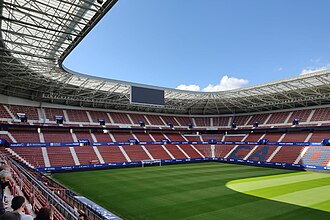
The team plays its home matches at the Estadio El Sadar, a venue with a capacity of 23,516 spectators, known for its passionate atmosphere.
Key Facts
- Founded: October 24, 1920
- Home Ground: Estadio El Sadar (Capacity: 23,516)
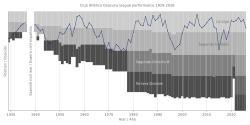
- Highest League Finish: 4th place (1990–91 and 2005–06)
- Major Achievements: Two-time Copa del Rey runners-up (2005, 2023)
- Regional Status: The sole Navarrese club to play in La Liga
- Current Head Coach: Luis Miguel Ramis
Club History and Evolution
The name "Osasuna" was chosen by Benjamín Andoian Martínez and means "health" in the Basque language. The club's journey to the top of Spanish football began in the third division after professionalism was introduced in 1928. After winning a playoff against Nacional de Madrid in the 1931–32 season, they earned promotion to the Segunda División (the second tier of Spanish football) and reached La Liga just three seasons later.
The club's infrastructure saw a major milestone in September 1967 with the opening of the Estadio El Sadar, inaugurated with a 3–0 victory over Vitoria de Setubal.
European Ambitions and Peak Performance
Osasuna first tasted European football in the 1985–86 UEFA Cup after a sixth-place league finish. The club reached its historical peak in the 1990–91 season, finishing fourth in La Liga. This success was repeated in the 2005–06 campaign, where a dramatic final day saw Osasuna edge out Sevilla for fourth place based on their head-to-head record, granting them entry into the UEFA Champions League qualifying phase.
Challenges and Resurgence
The club's history has been marked by periods of volatility. After several struggles in the late 2000s, Osasuna faced relegation to the second division in 2013–14. However, they demonstrated resilience by winning the Segunda División title in the 2018–19 season, securing their return to the elite level of Spanish football.
In recent years, the club has remained competitive, notably reaching the Copa del Rey final in 2023. Despite a legal battle regarding match-fixing allegations from 2013, the Court of Arbitration for Sport (CAS) ruled in the club's favor, allowing them to participate in the UEFA Conference League.
Club Overview and Honors
While Osasuna has yet to win a national top-flight trophy, their trophy cabinet is well-stocked with lower-division titles and domestic cup achievements.
| Competition | Achievement | Years/Count |
|---|---|---|
| Copa del Rey | Runners-up | 2 (2004–05, 2022–23) |
| Segunda División | Winners | 4 (1952–53, 1955–56, 1960–61, 2018–19) |
| Tercera División | Winners | 7 (Various between 1931 and 1977) |
| La Liga | Best Finish | 4th (1990–91, 2005–06) |
Frequently Asked Questions
What does the name Osasuna mean?
The name Osasuna means "health" in the Basque language.
What is the capacity of Estadio El Sadar?
The stadium can accommodate 23,516 spectators.
Has Osasuna ever won the Copa del Rey?
No, they have not won the trophy, but they have been runners-up twice, in 2005 and 2023.
Who is the current head coach of the team?
The current head coach is Luis Miguel Ramis.
What is the club's highest ever league finish?
Osasuna's best league finishes were fourth place, achieved in both the 1990–91 and 2005–06 seasons.