Cá Ông Worship: The Sacred Whale Traditions of Coastal Vietnam
Along the 3,200 kilometers of Vietnam's coastline, a unique spiritual bond exists between the fishing communities and the giants of the deep. This practice, known as Cá Ông worship, is a cornerstone of Vietnamese folk religion. Rooted in the belief that all living things possess a spirit and that sea gods govern the waters, coastal residents revere the whale as a guardian angel, seeking protection and prosperity in an unpredictable maritime environment.
Key Facts
- Guardian Status: Whales are regarded as sea genies that protect fishermen from perils and disasters.
- Cultural Significance: Whale worship is recognized as an important cultural heritage of Vietnam.
- Ritual Burial: Whales over 3 meters are buried near beaches to prevent pollution before their bones are later excavated.
- Major Sites: The Vạn Thủy Tú temple in Phan Thiết houses the largest whale skeleton in Vietnam and Southeast Asia.
- Annual Traditions: Festivals like Cau Ngu and Nghinh Ong are held to pray for fruitful fishing seasons.
Beliefs and Spiritual Guardianship
For Vietnamese fishermen, the whale is more than an animal; it is a benevolent entity that watches over those at sea. Local lore is filled with accounts of whale genies appearing in dreams to warn sailors of impending disasters. During hurricanes or monsoons, it is believed that whales assist in balancing boats through high winds and floods, sometimes providing shelter by positioning themselves under ships or ferries.
Because they are viewed as good luck charms, the death of a whale is treated with the utmost solemnity. When a whale washes ashore, villagers organize a formal funeral. Historically, all whales were buried in "holy land," but modern population density and environmental concerns mean that whales larger than 3 meters are now buried near the beach, away from residential areas.
The process of veneration continues long after burial. After five to ten years, the bones are excavated and preserved above ground. Additionally, whale oil is extracted and stored in large ceramic pots, which is later used for the annual ritual washing of the bones on the anniversary of the whale's death.
Festivals of the Sea
The devotion to Cá Ông is most visible during vibrant coastal festivals that blend spiritual rituals with community celebration.
The Cau Ngu Festival
Held annually on the 16th day of the first lunar month across various coastal provinces, the Cau Ngu festival is a prayer for a favorable sea season and a bountiful harvest of fish. These events are characterized by a lively atmosphere featuring traditional music, boat racing, and the rowing of basket boats.
The Nghinh Ong Festivals
The "Nghinh Ong Thang Tam Vung Tau" festival takes place from August 15 to 18 of the lunar calendar. This event includes praying to sea gods, a formal procession of the whale god from the ocean to the Thang Tam Temple (The Whale Temple), and feasts dedicated to ancestors and heroic martyrs.
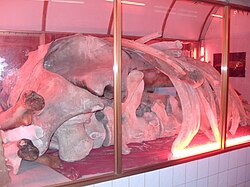
Similar Nghinh Ong celebrations are also observed in the Cần Giờ district of Ho Chi Minh City, reinforcing the widespread nature of this tradition.
The Vạn Thủy Tú Relic Temple
Located on Ngu Ong Street in the Duc Thang Ward of Phan Thiết, Bình Thuận province, the Vạn Thủy Tú temple serves as a primary center for whale exhibition and worship. Situated just 150 meters from Phan Thiết Port, it attracts numerous tourists, particularly on weekends.
The temple is home to a massive 20-meter-long whale skeleton, the largest in Vietnam and Southeast Asia. According to legend, this whale beached itself in the 18th century. The creature was so immense—weighing 65 tons—that the temple's front gate had to be demolished to bring the body inside. After three years of decomposition, the ashes were retrieved, purified with water and spirits, and stored at the back of the temple for perpetual worship.
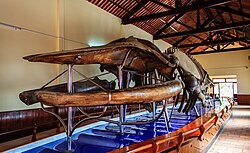
Due to its architectural and cultural importance, the Ministry of Culture and Information classified Vạn Thủy Tú as a national-level artistic activity in architecture in 1996. Furthermore, the Van Thuy Tu fish ceremony was declared a national intangible cultural heritage in 2019.
Summary of Whale Worship Traditions
| Feature | Details |
|---|---|
| Primary Belief | Whales are guardian angels/sea genies protecting fishermen. |
| Burial Practice | Whales >3m buried near beaches; bones excavated after 5-10 years. |
| Key Festivals | Cau Ngu (1st lunar month) and Nghinh Ong (August lunar calendar). |
| Notable Landmark | Vạn Thủy Tú Temple (Phan Thiết, Bình Thuận). |
| Record Specimen | 20 meters long, 65 tons (located at Vạn Thủy Tú). |
Frequently Asked Questions
What is Cá Ông worship?
Cá Ông worship is a Vietnamese folk religious practice found along the coastline where giant whales are revered as guardian angels and sea genies who protect fishermen from the dangers of the ocean.
How are dead whales handled in these communities?
Villagers hold a funeral for beached whales. Those larger than 3 meters are buried near the beach to avoid pollution. After five to ten years, the bones are excavated for preservation and worship.
What happens during the Cau Ngu festival?
The Cau Ngu festival is held on the 16th day of the first lunar month to pray for a fruitful fishing year. It features traditional music, boat racing, and basket boat rowing.
Where can I see the largest whale skeleton in Vietnam?
The largest skeleton, measuring 20 meters in length and weighing 65 tons, is displayed at the Vạn Thủy Tú relic temple in Phan Thiết, Bình Thuận province.
What is the significance of whale oil in this tradition?
Whale oil is separated and stored in large ceramic pots, specifically to be used for the annual ritual washing of the whale bones on the anniversary of the whale's death.