Butterflies: Biology, Taxonomy, and the Cycle of Transformation
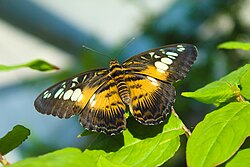
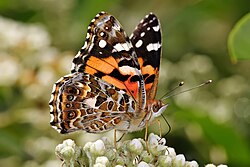
Butterflies are some of the most vibrant and recognizable insects on Earth. Belonging to the order Lepidoptera (meaning "scale-wing"), these insects are characterized by their large, often colorful wings and a complex life cycle that serves as a primary example of metamorphosis. From their ancient origins in the Paleocene epoch to their current role as vital pollinators, butterflies continue to fascinate scientists and nature enthusiasts alike.
Unlike moths, most butterflies are diurnal, meaning they are active during the day, and possess distinct clubbed antennae. Their presence in an ecosystem is often an indicator of environmental health, though many species now face threats from habitat loss and human expansion.
![Possibly the original butter-fly.[7] A male brimstone (Gonepteryx rhamni) in flight.](/images/e0/e1/e0e1ede0b61f90a9f6d0933ad6752d072376256276b33db16774ac9f4313e552.jpg)
Key Facts
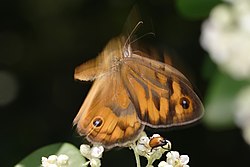
- Temporal Range: They have existed from the Paleocene epoch to the present (approximately 55 to 0 million years ago).
- Classification: They belong to the superfamily Papilionoidea.
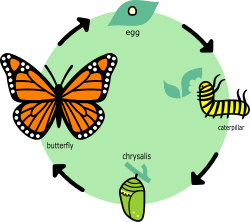
- Metamorphosis: They undergo a complete four-stage life cycle: egg, larva (caterpillar), pupa (chrysalis), and adult.
- Anatomy: Distinguished from moths primarily by their clubbed antennae and diurnal activity.
- Ecological Role: They serve as essential pollinators and are key components of various food webs.
Taxonomy and Diversity
Butterflies are classified within the clade Obtectomera. While they were once referred to by the synonym Rhopalocera, modern taxonomy places them in the superfamily Papilionoidea. This group is divided into several distinct families, each with unique physical and behavioral traits.
| Family | Common Name | Key Characteristics |
|---|---|---|
| Papilionidae | Swallowtails | Often have wing "tails"; caterpillars use an osmeterium organ for defense. |
| Nymphalidae | Brush-footed butterflies | Reduced forelegs, giving the appearance of having only four legs. |
| Pieridae | Whites and allies | Typically white, yellow, or orange; some are pests of Brassica crops. |
| Lycaenidae | Blues, coppers, hairstreaks | Small and bright; often feature "false heads" with eyespots to trick predators. |
| Hesperiidae | Skippers | Small with a darting flight pattern; antennae clubs are hooked backwards. |
| Riodinidae | Metalmarks | Often feature metallic spots and conspicuous black, orange, or blue colors. |
| Hedylidae | American moth-butterflies | Small and brown; resemble geometrid moths with non-clubbed antennae. |
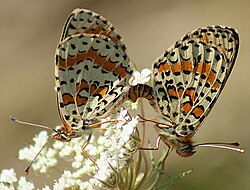
The Life Cycle of a Butterfly
The transformation from a tiny egg to a winged adult is one of nature's most profound processes, known as complete metamorphosis.
1. The Egg
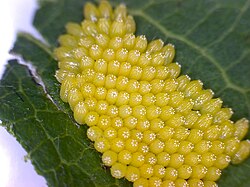
The cycle begins when a female butterfly lays eggs on a specific host plant that will provide nourishment for the future larvae. Eggs are often placed strategically, such as underneath leaves, to protect them from predators.
2. The Larva (Caterpillar)
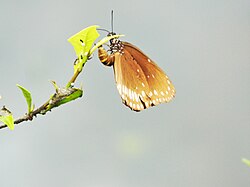
Once the egg hatches, the larva, or caterpillar, emerges. The primary goal of this stage is growth. Caterpillars are eating machines, consuming vast amounts of plant matter. To survive, many have evolved defenses: some use aposematism (warning coloration) to signal toxicity, while others use cryptic countershading to blend into their environment.
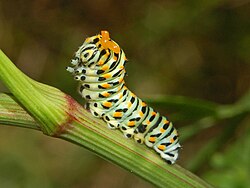
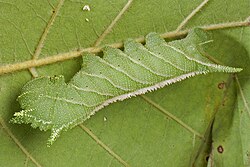
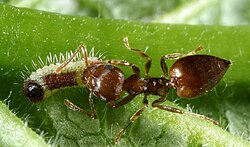
Some caterpillars also engage in mutualism, such as lycaenid caterpillars that form symbiotic relationships with ants for protection.
3. The Pupa (Chrysalis)
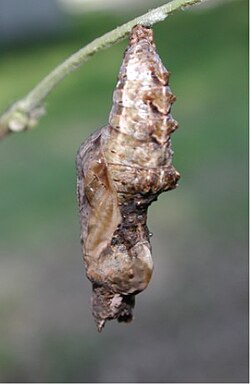
When the caterpillar reaches full size, it forms a pupa. In butterflies, this is called a chrysalis. During this stage, the insect's body completely reorganizes. Some species, like the swallowtails, support their pupa with a silk girdle for stability.
4. The Adult
The final stage is the adult butterfly (imago). The adult's primary purposes are mating and, in some species, migration. Adults feed mainly on nectar, though some, like the Heliconius genus, can feed on pollen to increase their lifespan and reproductive success.
Migration and Behavior
Some butterflies are famous for their incredible migratory journeys. The Monarch butterfly is the most notable example, traveling vast distances to overwinter in specific regions, such as the oyamel fir forests of Mexico. These insects use polarized light to navigate during their flight.


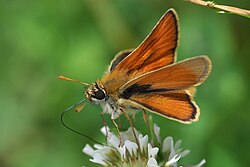
Behavioral adaptations also play a role in reproduction. For instance, male small skippers possess "sex brands"—specialized pheromone-releasing areas on their forewings used to attract mates.
Survival and Threats
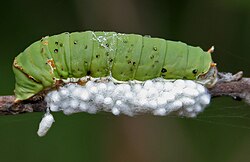
Butterflies face numerous threats from parasitoids (insects that lay eggs inside a host), predators, and pathogens. Braconid wasps, for example, can attach cocoons to a caterpillar, eventually killing the host.
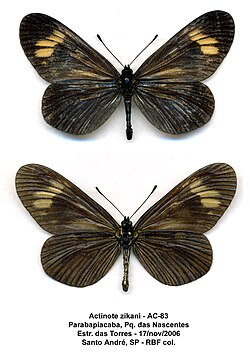
Beyond natural predators, human activity has led to a decline in butterfly populations. Habitat loss due to urban expansion has pushed species like Actinote zikani to the brink of extinction. Conservation efforts are critical to maintaining the biodiversity of these essential insects.
Butterflies in Culture and Art
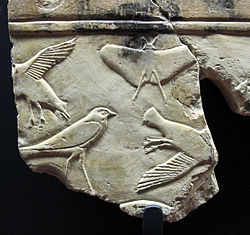
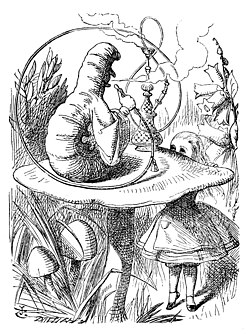
Because of their transformation, butterflies have long been symbols of rebirth and change in human culture. They appear in ancient Egyptian reliefs and have become staples of literature, most famously in Lewis Carroll's Alice's Adventures in Wonderland.
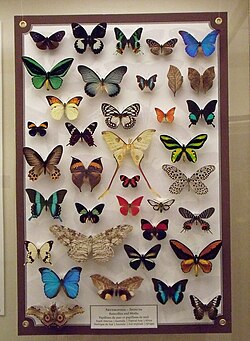
In modern times, they are collected for scientific study in museums to track species distribution and evolutionary changes.
Frequently Asked Questions
What is the difference between a butterfly and a moth?
While both are Lepidoptera, butterflies generally have clubbed antennae and are active during the day (diurnal), whereas moths typically have feathery or tapered antennae and are mostly active at night (nocturnal).
How do butterflies navigate during migration?
Many migratory butterflies, such as the Monarch, use a combination of environmental cues, including the detection of polarized light, to maintain their direction over thousands of miles.
What is an osmeterium?
An osmeterium is a specialized organ found in swallowtail caterpillars that can be extruded to release a foul-smelling secretion to deter predators.
Why are some butterflies endangered?
The primary cause of decline is habitat loss resulting from human expansion, which destroys the specific host plants that caterpillars need to survive.
What is the purpose of a "false head" in some butterflies?
Some species, particularly in the Lycaenidae family, have eyespots and small tails on their hindwings that mimic a head. This tricks predators into attacking the wrong end of the butterfly, allowing it to escape.