Butterflies: Biology, Taxonomy, and Life Cycles of the Papilionoidea
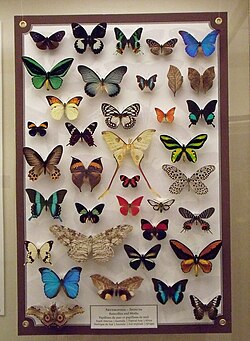
Butterflies are among the most vibrant and recognizable insects on Earth. Belonging to the order Lepidoptera (meaning "scale-wing"), these insects are characterized by their large, often colorful wings and a complex life cycle that transforms a crawling larva into a flying adult. Appearing in the fossil record as far back as the Paleocene epoch (approximately 55 million years ago), butterflies have evolved into a diverse group of pollinators that play a critical role in global ecosystems.
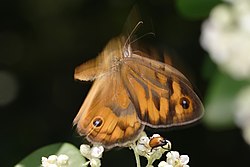
Unlike their close relatives, the moths, butterflies are typically diurnal (active during the day) and possess distinct clubbed antennae. Their presence in art, mythology, and science reflects their symbolic nature of transformation and rebirth.
![Possibly the original butter-fly.[7] A male brimstone (Gonepteryx rhamni) in flight.](/images/e0/e1/e0e1ede0b61f90a9f6d0933ad6752d072376256276b33db16774ac9f4313e552.jpg)
Key Facts
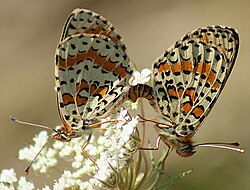
- Scientific Classification: Butterflies belong to the superfamily Papilionoidea.
- Temporal Range: They have existed from the Paleocene to the present (55–0 Ma).
- Distinctive Feature: Most butterflies have clubbed antennae, distinguishing them from moths.
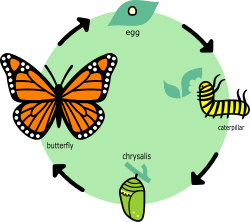
- Metamorphosis: They undergo a complete four-stage life cycle: egg, larva (caterpillar), pupa (chrysalis), and adult.
- Ecological Role: They serve as essential pollinators and are indicators of environmental health.
Taxonomy and Classification
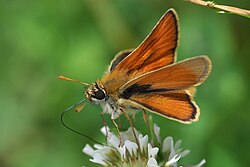
The superfamily Papilionoidea is divided into several distinct families, each with unique morphological characteristics and behaviors. While they all share the basic lepidopteran body plan, their adaptations vary significantly based on their environment and survival strategies.
| Family | Common Name | Key Characteristics |
|---|---|---|
| Hedylidae | American moth-butterflies | Small, brown, moth-like; non-clubbed antennae; slim abdomens. |
| Hesperiidae | Skippers | Small size; darting flight patterns; hooked antennae clubs. |
| Lycaenidae | Blues, coppers, hairstreaks | Brightly colored; often feature "false heads" with eyespots and tails. |
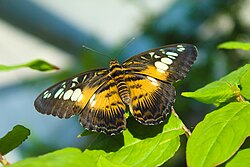
| Nymphalidae | Brush-footed butterflies | Reduced forelegs, giving a four-legged appearance. |
| Papilionidae | Swallowtails | Wing "tails"; caterpillars use an osmeterium organ for defense. |
| Pieridae | Whites and allies | Mostly white, yellow, or orange; some are pests of Brassica crops. |
| Riodinidae | Metalmarks | Metallic wing spots; often black, orange, and blue. |
The Butterfly Life Cycle
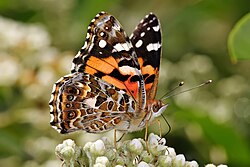
Butterflies undergo complete metamorphosis, a biological process that allows the insect to occupy different ecological niches at different stages of its life.
1. The Egg
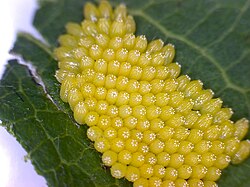
The cycle begins when a female butterfly lays eggs on a specific host plant. This ensures that the emerging larvae have an immediate food source. Eggs are often laid on the underside of leaves for protection.
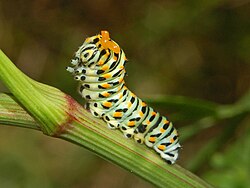
2. The Caterpillar (Larva)
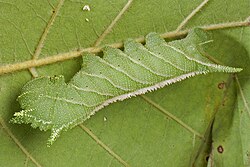
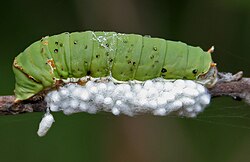
The larval stage is primarily focused on growth. Caterpillars consume vast amounts of plant matter to store energy for the coming transformation. To survive predators, many caterpillars employ aposematism (warning coloration) or cryptic coloration (camouflage) to blend into their surroundings.
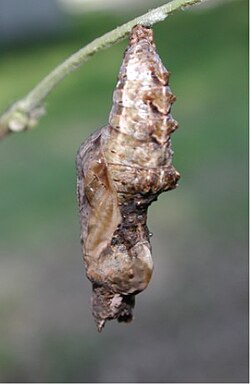
3. The Pupa (Chrysalis)
Once the caterpillar reaches its full size, it forms a pupa. In many species, the pupa is supported by a silk girdle. Inside the chrysalis, the insect's body completely reorganizes into the adult form.
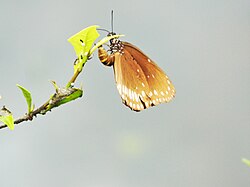
4. The Adult (Imago)
The adult butterfly emerges with the primary goals of mating and dispersing. Adults feed mainly on nectar using a proboscis, though some species, such as those in the genus Heliconius, can also feed on pollen to increase their lifespan and reproductive success.
Behavior and Ecology
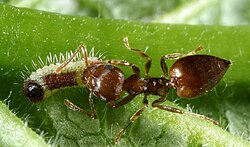
Butterflies have evolved complex behaviors to ensure survival. Some species engage in mutualism, such as lycaenid caterpillars that form symbiotic relationships with ants, which protect the caterpillars in exchange for secretions.
Migration and Navigation
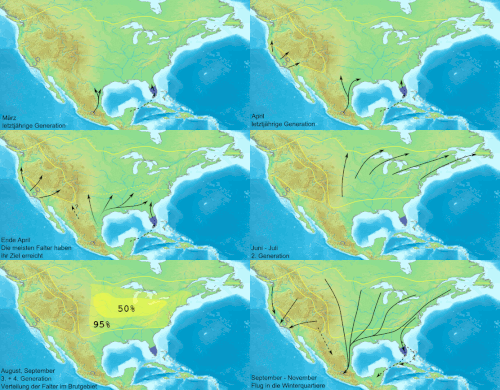
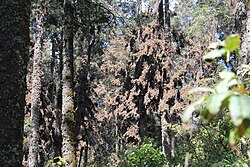
Some butterflies are famous for their long-distance migrations. The Monarch butterfly, for example, travels thousands of miles to overwintering sites in Mexico, using polarized light to navigate.
Defense Mechanisms
To avoid predation, butterflies use various strategies:
- False Heads: Lycaenids often have eyespots and tails on their hindwings to trick predators into attacking the wrong end of the body.
- Chemical Defense: Some caterpillars sequester toxins from host plants, making them foul-tasting to birds.
- Camouflage: Many species blend into leaves or bark to remain undetected.
Conservation and Cultural Impact
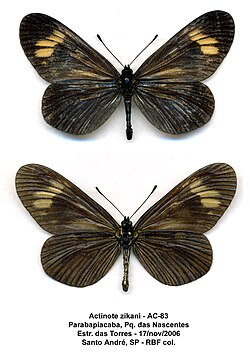
Many butterfly species are currently facing declines due to habitat loss and human expansion. Species like Actinote zikani are now critically endangered. Conservation efforts focus on preserving host plants and reducing pesticide use.
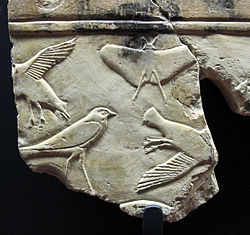
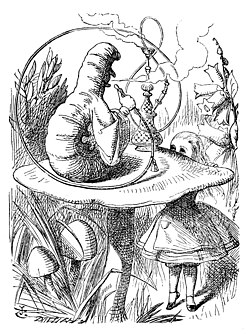
Beyond science, butterflies have a profound presence in human culture. They appear in ancient Egyptian reliefs, Victorian literature (such as Lewis Carroll's Alice in Wonderland), and serve as modern symbols of transformation and transgender identity.
Frequently Asked Questions
What is the difference between a butterfly and a moth?
While both are Lepidoptera, butterflies typically have clubbed antennae and are active during the day, whereas moths generally have feathery or tapered antennae and are mostly nocturnal.
How do butterflies navigate during migration?
Some species, like the Monarch, use a combination of environmental cues, including the position of the sun and polarized light, to find their way to specific overwintering locations.
What is an osmeterium?
An osmeterium is a specialized scent organ found in swallowtail caterpillars that can be extruded to release a foul-smelling secretion to deter predators.
Why are some butterflies called "brush-footed"?
Nymphalidae are called brush-footed butterflies because their front pair of legs is greatly reduced in size and is not used for walking, making them appear to have only four legs.
What is the purpose of the chrysalis stage?
The chrysalis is the pupal stage where the insect undergoes a complete biological restructuring, transforming the larval tissues of the caterpillar into the wings, legs, and organs of the adult butterfly.