Burundi: A Comprehensive Overview of the Heart of Africa
Located in the Great Lakes region of East Africa, Burundi is a landlocked nation characterized by its rolling hills, vibrant cultural heritage, and a complex political history. Known for its resilience and rich traditions, the country navigates a path toward stability and economic growth while preserving the unique identity of the Barundi people.
From the bustling streets of its economic hub to the serene shores of Lake Tanganyika, Burundi offers a glimpse into the diverse social and political landscape of the African interior.
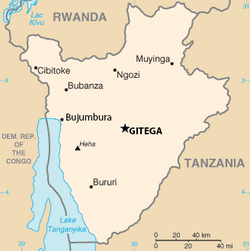
Key Facts
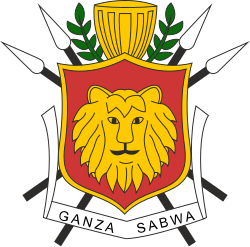
- Official Languages: Kirundi, French, and English.
- Capitals: Gitega (Political) and Bujumbura (Economic).
- Population: Approximately 14.15 million (2024 estimate).
- Currency: Burundian franc (FBu).
- Government: Unitary dominant-party presidential republic.
- Geography: Total area of 27,834 km², with 10% consisting of water.
History and Governance
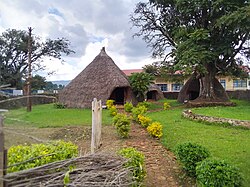
Burundi's history is rooted in the Kingdom of Urundi, which existed from 1680 until 1966. The nation experienced various periods of colonial influence, first as part of German East Africa (1890–1916) and later as part of the Belgian-administered Ruanda-Urundi.
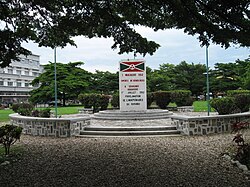
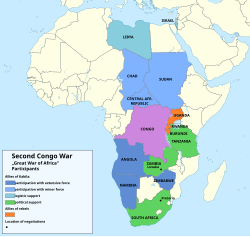
The country gained independence from Belgium on July 1, 1962, initially maintaining its monarchy. However, it transitioned into a republic on November 28, 1966. The subsequent decades were marked by significant instability, including the Burundian Civil War (1993–2005) and periods of ethnic conflict involving the Hutu, Tutsi, and Twa groups.
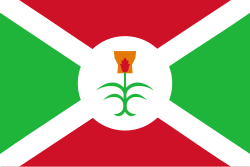
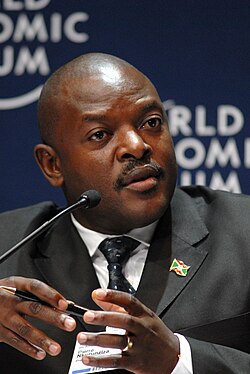
Today, Burundi is governed as a presidential republic. The current administration is led by President Évariste Ndayishimiye, with Nestor Ntahontuye serving as Prime Minister. The legislative branch consists of a bicameral Parliament, comprising the Senate and the National Assembly.
Geography and Demographics
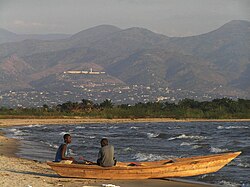
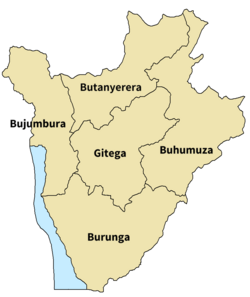
Burundi is a compact nation with a high population density of 565 people per square kilometer. Its landscape is dominated by the Rift Valley and the shores of Lake Tanganyika, which provides vital resources for the local population.
The population is 100% Barundi, further divided into ethnic subgroups: 85% Hutu, 14% Tutsi, and 1% Twa. Religiously, the country is predominantly Christian (93.4%), with Catholicism (63.7%) and Protestantism (25.2%) being the most prominent denominations.
Major Urban Centers
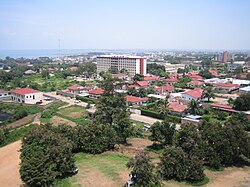
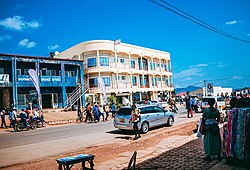
While Gitega became the political capital in 2019, Bujumbura remains the largest city and the center of economic activity.
Economy and Infrastructure
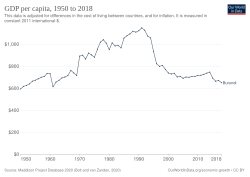
Burundi's economy is primarily agrarian, though it faces significant challenges. As of 2025 estimates, the nominal GDP stands at US$6.750 billion, with a GDP per capita of US$489. The Human Development Index (HDI) is rated as low at 0.439.
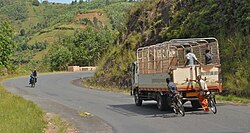
Transport within the country relies heavily on a mix of buses and bicycles, the latter being a particularly popular means of transit for the general population.
Culture and Society
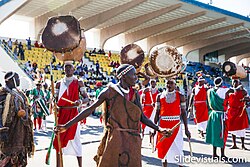
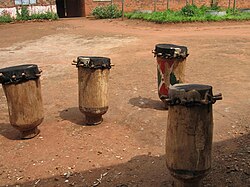
Burundian culture is deeply intertwined with music and craftsmanship. The Royal Drummers of Burundi are world-renowned, utilizing traditional drums as a symbol of national pride and historical authority.
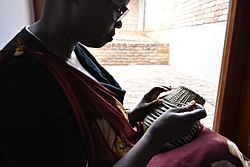
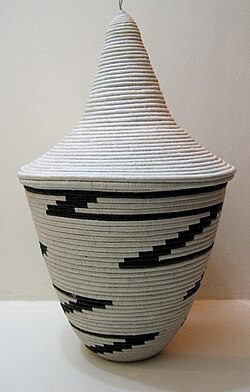
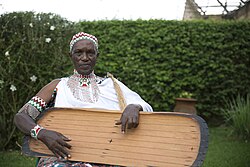
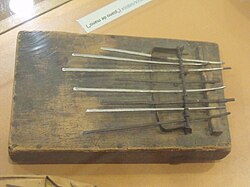
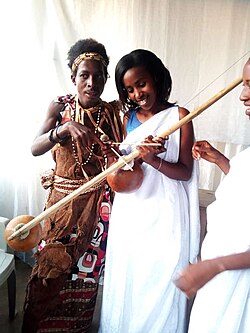
Traditional arts also include the weaving of Igiseke (traditional baskets) and the playing of indigenous instruments such as the Inanga and Umuduri.
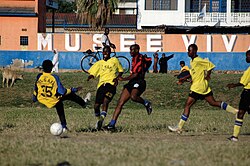
In the realm of sports, football is highly popular, and the nation has produced notable athletes, including Olympic gold medalist Venuste Niyongabo and world silver medalist Francine Niyonsaba.
National Summary Table
| Category | Detail |
|---|---|
| Official Languages | Kirundi, French, English |
| Political Capital | Gitega |
| Economic Capital | Bujumbura |
| Population (2024) | 14,151,540 |
| GDP per capita (Nominal) | US$489 (2025 est.) |
| Main Religion | Christianity (93.4%) |
Frequently Asked Questions
What are the official languages of Burundi?
Burundi recognizes Kirundi, French, and English as its official languages.
Which city is the capital of Burundi?
Burundi has two capitals: Gitega serves as the political capital, while Bujumbura is the economic capital and largest city.
What is the primary ethnic composition of the country?
The population is 100% Barundi, consisting of approximately 85% Hutu, 14% Tutsi, and 1% Twa.
What is the currency used in Burundi?
The official currency of the country is the Burundian franc (FBu).
What is the significance of the drums in Burundian culture?
Drums are a central part of Burundian tradition, historically linked to the monarchy and currently serving as a powerful symbol of national identity and cultural heritage.