Bught Park: The Heart of Sport and Nature in Inverness
Located on the western bank of the River Ness in the Highland region of Scotland, Bught Park (Gaelic: Pàirc nam Bochd) serves as the largest park in the city of Inverness. This expansive green space is a hub of community activity, blending natural beauty with a rich sporting heritage. Once the grounds of a stately home, the area now provides a versatile venue for major cultural events, including the Inverness Highland Games and various outdoor music festivals.
The park is strategically positioned adjacent to several key city amenities, including the local sports centre, swimming pool, and a BMX track. Its proximity to the river and its historical roots make it a cornerstone of the Inverness landscape.
The Inverness Botanic Garden
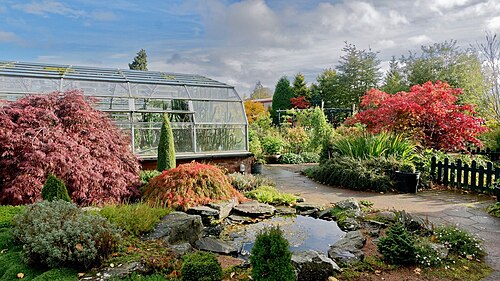
Bordering the park is the Inverness Botanic Garden, which holds the distinction of being the most northerly botanic garden in the United Kingdom. Opened in 1992 by Prince Edward, Duke of Edinburgh, the garden is situated on the site of the former 18th-century Bught House estate. The modern garden was developed from the original walled garden that once served the stately home.
Visitors to the botanic garden can explore two specialized glasshouses: a cactus house and a humid tropical house. In addition to these, the site features a kitchen garden, an onsite cafe, and dedicated gardens used for local educational purposes.
Bught Park Stadium and Sporting Heritage
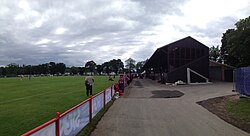
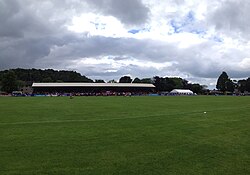
Within the park's boundaries lies the Bught Park stadium, a venue renowned as one of the finest for shinty—a traditional Scottish sport. The stadium has a total capacity of 5,000 people, which includes a wooden grandstand and standing areas.
The stadium is the long-term home of the Inverness Shinty Club, which has played on the grounds since the 1920s. Beyond club matches, the venue regularly hosts prestigious events such as the Camanachd Cup Final and the Composite Rules Shinty/Hurling Internationals. It also serves as a venue for multiple clubs under the Inverness and District Football Association.
The land upon which the stadium sits was formerly part of the Bught House estate. While the estate once featured an 18th-century stately home, the building was demolished in the 1960s to make way for the creation of the Ice Centre.
Key Facts
- Location: Torvean Avenue, Inverness, Highland, Scotland.
- Ownership: Owned and operated by the Highland Council.
- Stadium Capacity: 5,000 (including a wooden grandstand).
- Primary Tenants: Inverness Shinty Club (since 1910/1920s) and various local football clubs.
- Botanic Garden Status: The most northerly botanic garden in the UK.
- Historical Site: Formerly the grounds of the 18th-century Bught House.
Summary of Bught Park Facilities
| Facility | Key Features | Notable Use/History |
|---|---|---|
| Bught Park Stadium | 5,000 capacity, wooden grandstand | Camanachd Cup Final, Shinty/Hurling Internationals |
| Inverness Botanic Garden | Tropical and Cactus glasshouses | Most northerly botanic garden in the UK |
| General Park Area | River Ness western bank | Inverness Highland Games, music festivals |
| Adjacent Amenities | Sports centre, swimming pool, BMX track | Community recreation and athletics |
Frequently Asked Questions
Who owns and operates Bught Park?
Bught Park is both owned and operated by the Highland Council.
What is the capacity of the Bught Park stadium?
The stadium can accommodate 5,000 people, consisting of standing room and a wooden grandstand.
What is the significance of the Inverness Botanic Garden?
It is the most northerly botanic garden in the United Kingdom and features a humid tropical house and a cactus house.
Which sports are primarily played at Bught Park?
The park is most famous for shinty, hosting the Inverness Shinty Club and the Camanachd Cup Final, but it also hosts various football clubs from the Inverness and District Football Association.
What happened to the original Bught House?
The 18th-century stately home was demolished in the 1960s to allow for the construction of the Ice Centre.