Brussels-Capital Region: The Heart of Europe
Brussels is more than just the national capital of Belgium; it is a vibrant, multicultural metropolis known as the Capital of Europe. As the Brussels-Capital Region, it serves as a pivotal administrative hub for the European Union and a crossroads of history, art, and diplomacy. From its medieval roots to its status as a global political center, Brussels blends old-world charm with modern internationalism.
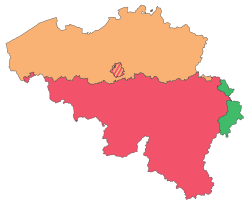
The region is characterized by its unique bilingual status, where French and Dutch coexist, and its diverse population, which reflects its role as a magnet for people from across the globe.
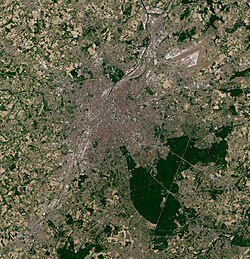
Key Facts
- Official Status: A region of Belgium comprising 19 municipalities.
- Population: Approximately 1,249,597 residents (as of January 1, 2024).
- Languages: Officially bilingual in French and Dutch.
- Economy: Regional GDP of €108.153 billion (2024).
- Global Role: Hosts the European Union institutions and NATO headquarters.
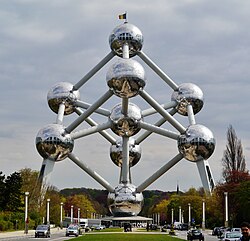
- Landmarks: Home to the UNESCO World Heritage Grand-Place and the iconic Atomium.
History and Evolution
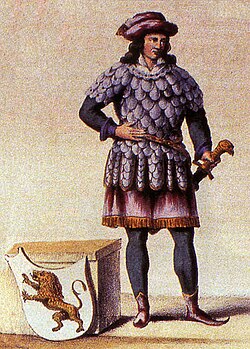
The settlement of Brussels dates back to approximately 580, with a county established around 870. The city was formally founded in 979 by Charles, Duke of Lower Lorraine, and was granted its city charter on June 10, 1229.
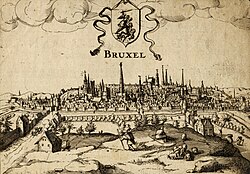
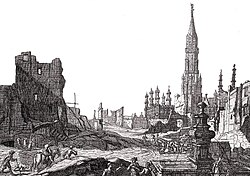
Throughout the Middle Ages and the early modern period, Brussels grew into a significant commercial center. However, the city faced severe challenges, including the 1695 bombardment by the French army, which devastated the Grand-Place.
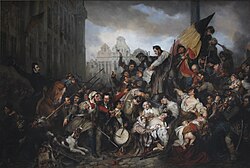
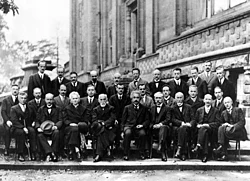
The 19th and 20th centuries saw Brussels transform into a modern capital. Following the Belgian Revolution of 1830, the city expanded its royal and administrative infrastructure. In the 20th century, it became a center for scientific advancement, notably hosting the fifth world physics conference, the 1927 Solvay Conference.
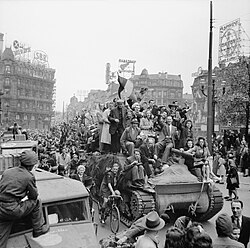
During World War II, the city endured German occupation until September 4, 1944, when British tanks arrived to liberate the city.
Geography and Climate
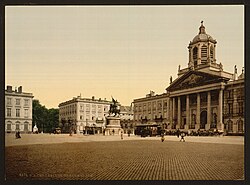
The Brussels-Capital Region covers an area of 162.42 km² with an average elevation of 13 meters. It is situated in a densely populated part of Europe, positioned between several of the continent's largest urban centers.
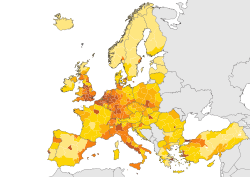
The climate is temperate. Based on data from Uccle (1991–2020), the region experiences a mean daily maximum of 23.2°C in July and a mean daily minimum of 1.4°C in January. Annual precipitation averages 837.2 mm, distributed relatively evenly throughout the year.
Political Status and Administration
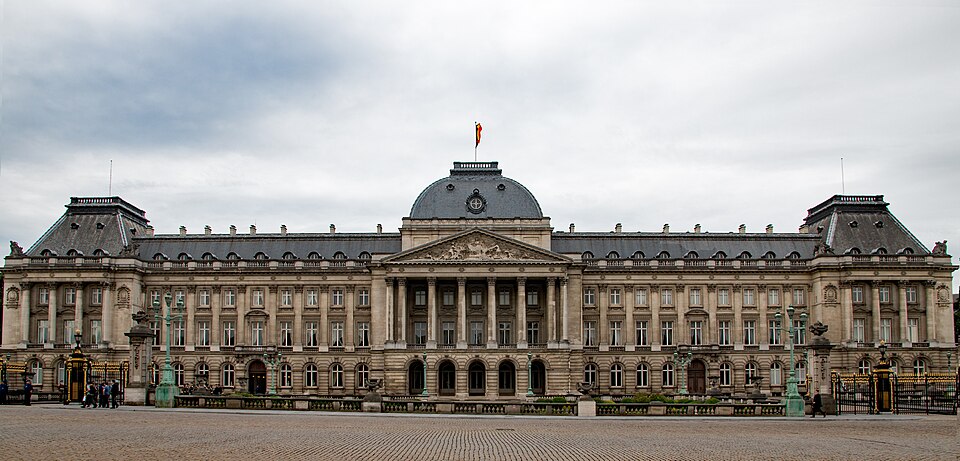
Established as a formal region on June 18, 1989, the Brussels-Capital Region is governed by its own executive and legislature. As of 2026, the region is led by the Dilliès government, with Boris Dilliès serving as Minister-President.
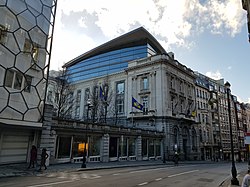
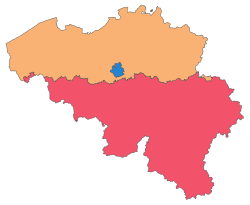
The region is divided into 19 municipalities, including the City of Brussels, Anderlecht, and Schaerbeek. It exists as a bilingual area where the French and Flemish communities overlap.
International Significance
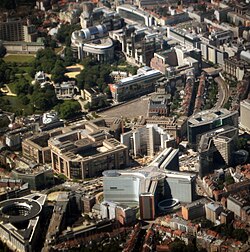
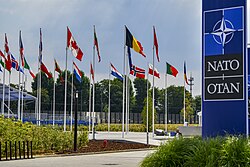
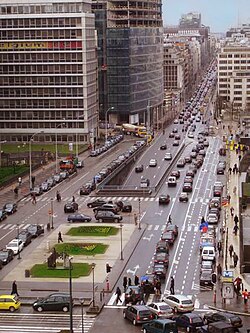
Brussels is a global diplomatic powerhouse. It hosts the majority of the European Union institutions in the European Quarter and serves as the headquarters for the North Atlantic Treaty Organization (NATO) and Eurocontrol.
Demographics and Society
Brussels is one of the most diverse cities in the world. Only 22% of the population are Belgian nationals, while 78% are others, with 41.8% being non-European. The most prominent foreign nationalities include French, Romanian, Italian, and Spanish citizens.
![Languages spoken at home in the Brussels-Capital Region (2013)[169] French French and Dutch Dutch French and other language Neither French nor Dutch](/images/bb/88/bb8814f39faf9bc0965fb638f76e78414bdeb1da627c80ef78c4928799311153.png)
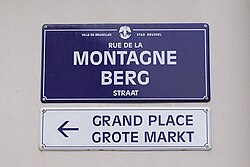
While French is the most spoken language at home (81% in 2024), English has seen a significant rise (47%), reflecting the city's international character. Dutch remains an official language (22%), and bilingual street signs are common throughout the city.
Culture, Architecture, and Tourism
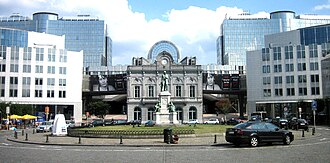
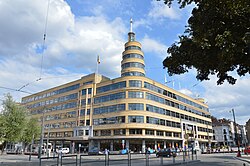
Brussels is renowned for its architectural diversity, ranging from the ornate Art Nouveau style to the futuristic design of the Atomium.
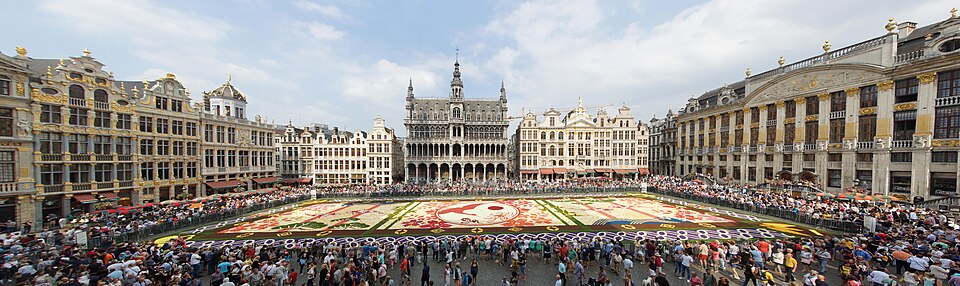
The Grand-Place, a UNESCO World Heritage Site, remains the city's most famous square, often hosting the spectacular Flower Carpet event.
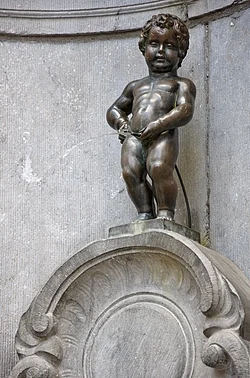
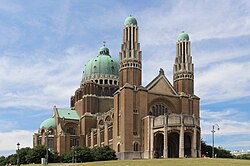
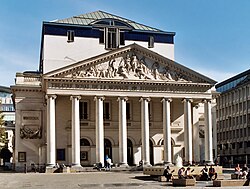
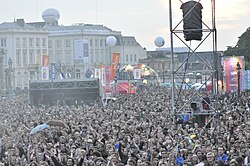
Cultural highlights include the Manneken Pis sculpture, the Royal Palace, and the National Basilica of the Sacred Heart in Koekelberg. The city is also a hub for the performing arts, featuring the Royal Theatre of La Monnaie and various festivals like the Brussels Summer Festival.
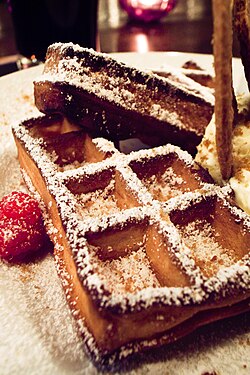
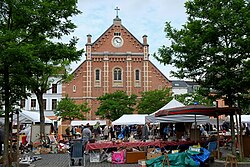
Gastronomically, Brussels is world-famous for its local waffles and chocolate, while its flea markets, such as the one at Place du Jeu de Balle, offer a glimpse into local life.
Infrastructure and Economy
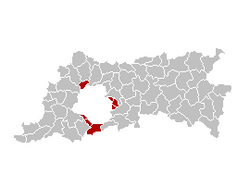
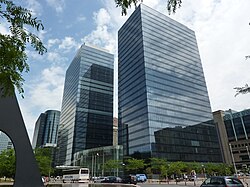
The economy of Brussels is driven by international administration, services, and trade, with a regional GDP exceeding €108 billion. The Northern Quarter serves as the primary business district.
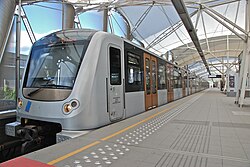
Transport is highly integrated, featuring a comprehensive metro, tram, and bus network, as well as the Eurostar service at Brussels-South railway station, connecting the city to London.
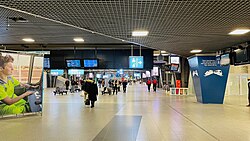
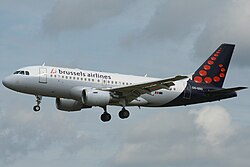
For air travel, Brussels Airport in Zaventem serves as the primary international gateway.
| Category | Detail |
|---|---|
| Population (2024) | 1,249,597 |
| Official Languages | French, Dutch |
| Area | 162.42 km² |
| Regional GDP (2024) | €108.153 billion |
| HDI (2021) | 0.953 (Very High) |
| Number of Municipalities | 19 |
Frequently Asked Questions
What are the official languages of Brussels?
Brussels is officially bilingual, with both French and Dutch recognized as official languages. However, French is the most widely spoken language among residents, and English is common due to the city's international institutions.
Why is Brussels called the "Capital of Europe"?
It earned this nickname because it hosts the primary headquarters and administrative offices of the European Union, as well as the headquarters of NATO.
What is the Atomium?
The Atomium is one of Brussels' most iconic landmarks, a futuristic stainless steel structure that represents a unit cell of an iron crystal magnified 165 billion times.
How many municipalities make up the Brussels-Capital Region?
The region consists of 19 distinct municipalities, including the City of Brussels, Anderlecht, and Ixelles.
What is the significance of the Grand-Place?
The Grand-Place is the central square of Brussels and a UNESCO World Heritage Site, famous for its opulent guildhalls and the Town Hall.