British Folk Clubs: The Evolution of a Musical Movement
The rise of the British folk club was more than just a musical trend; it was a cultural shift that sought to preserve traditional sounds in an increasingly modernized world. Emerging from the aftermath of the Second World War, these clubs provided a sanctuary for acoustic music, evolving from improvised gatherings into a structured national circuit that launched the careers of some of the UK's most iconic performers.
Origins and the Skiffle Influence
The seeds of the movement were sown by the English Folk Dance and Song Society in London and Birmingham, which attempted to establish venues for traditional music. By the mid-1950s, private spaces like the Good Earth Club and the politically active Topic Club in London began offering platforms for folk artists. However, the movement truly accelerated during the skiffle craze (approximately 1955 to 1959). Skiffle was a genre characterized by the use of acoustic and improvised instruments to play American folk, blues, and jazz.
One notable example from this era was the 'Ballad and Blues' club in The Round House, Soho, co-founded by Ewan MacColl. As the skiffle trend faded, many clubs pivoted toward English traditional material, partly as a cultural reaction against the dominance of American pop and rock n’ roll.
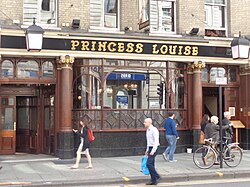
The Ballad and Blues Club eventually became the 'Singer Club,' moving to the Princess Louise pub in Holborn in 1961. This transition marked a shift toward policy clubs—venues with strict rules requiring performers to sing songs from their own culture using authentic acoustic instruments and styles, discouraging the imitation of American artists.
The Golden Age of the Folk Circuit
By the mid-1960s, the movement had expanded rapidly, with an estimated 300 clubs across Britain. This network created a professional circuit where acoustic acts could sustain a living. While English clubs were often dogmatic about purity, Scottish clubs were more eclectic, blending Scottish, Irish, English, and American material. They hosted traditionalists like Donald Higgins and the Stewarts of Blairgowrie, alongside revivalists such as Robin Hall, Jimmie Macgregor, and The Corries.
Key influential venues included London's Les Cousins, Bunjies, and The Troubadour, as well as the Bristol Troubadour. In Scotland, major hubs emerged in Aberdeen, Glasgow, and through the Edinburgh Folk Club.
The Nature of the Clubs
Despite the term "club," most of these venues were not dedicated buildings but regular weekly gatherings held in the upstairs or back rooms of public houses. Though the music focused on the rural and industrial working classes, the membership was largely drawn from the urban middle class.
Performances were typically divided into two categories:
- Floor Singers: Amateur members who would step up to perform one or two songs.
- Residents: Talented local performers who played regular short sets.
In the late 1960s and early 1970s, a revival occurred in the West Country, with weekly gatherings in towns such as Taunton, Halberton, Ottery St Mary, Exeter, Barnstaple, Truro, and Padstow. These venues hosted "Come all Ye" nights and featured performers like Cyril Tawney.
From Local Stages to Mainstream Success
The folk club circuit served as a critical training ground. Artists such as A.L. Lloyd, Martin Carthy, and Shirley Collins transitioned from the circuit to become major recording artists. Later, a new generation used these venues to launch mainstream careers, including Billy Connolly, Jasper Carrott, Ian Dury, and Barbara Dickson.
Decline and Modern Resurgence
The 1980s saw a decline in club numbers due to shifting social and musical trends. Notable losses included London's Les Cousins and The Scots Hoose in Cambridge Circus, while the Singers Club closed in 1993. However, interest stabilized in the mid-1990s.
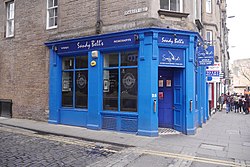
Today, over 160 folk clubs exist in the UK. Some are historic landmarks; The Bridge Folk Club in Newcastle (est. 1953) claims to be the oldest in its original venue. In Edinburgh, Sandy Bell's has been active since the late 1960s.
Modern clubs have evolved technically and musically. Many now use PA (Public Address) systems and allow electric instruments, though full electric lineups remain rare. The repertoire has expanded to include American roots music, blues, world music, and British folk rock. Since 2000, the BBC Radio 2 Folk Awards have recognized excellence in the field with a best folk club award.
Legal and Licensing Changes
Since 2002, the requirement for a "public entertainment licence" led some clubs to reorganize as "Private members clubs" to avoid repetitive applications. This required guests to join at least 24 hours before a performance. However, the Live Music Act 2012 simplified this, stating that live music in on-licensed premises for audiences up to 200 people between 08:00 and 23:00 is no longer a licensable activity.
Key Facts
- Peak Era: Over 300 clubs existed in Britain by the mid-1960s.
- Policy Clubs: Venues that enforced a strict adherence to traditional, culture-specific acoustic music.
- Oldest Venue: The Bridge Folk Club in Newcastle (1953) is cited as the oldest in its original location.
- Current Status: There are currently over 160 active folk clubs in the UK.
- Legal Shift: The Live Music Act 2012 removed licensing requirements for small live music events (under 200 people) during daytime and evening hours.
| Period | Primary Influence/Trend | Key Characteristics |
|---|---|---|
| Mid-1950s | Skiffle Craze | Improvised instruments, American folk and blues. |
| 1960s | Traditional Revival | "Policy clubs," focus on native culture, acoustic purity. |
| 1980s | Decline | Closing of major London venues due to social trends. |
| 1990s-Present | Modern Resurgence | Integration of PA systems, electric instruments, and world music. |
Frequently Asked Questions
What were "policy clubs"?
Policy clubs were folk venues that enforced strict rules regarding authenticity. They required performers to sing songs from their own culture and use traditional acoustic instruments, specifically discouraging the imitation of American styles.
How did skiffle contribute to the folk movement?
The skiffle craze of 1955–1959 created a massive demand for venues where people could play American folk, blues, and jazz on acoustic or improvised instruments, providing the initial momentum for the folk club circuit.
Who were "floor singers"?
Floor singers were amateur club members who would voluntarily step up during a session to perform one or two songs, contrasting with the "residents" who were established local performers.
Which folk clubs are still operating today?
Many clubs survive, including Sandy Bell's in Edinburgh and The Bridge Folk Club in Newcastle. The Troubadour in London, which once hosted Bob Dylan and Paul Simon, has also returned to being a folk club.
How has the music in folk clubs changed over time?
While they began with a strict focus on traditional British folk, modern clubs often feature a mix of American roots music, blues, world music, and British folk rock, often utilizing PA systems and some electric instruments.