Bosnia and Herzegovina National Football Team
Known affectionately as the Zmajevi (The Dragons) or the Zlatni Ljiljani (Golden Lilies), the Bosnia and Herzegovina national football team represents the nation on the global stage. Since its first international match in 1995, the team has evolved from a newcomer in UEFA to a competitive side capable of reaching the world's biggest tournaments.
The team's journey is marked by resilience and the emergence of world-class talent, establishing a proud footballing tradition centered around their home strongholds and a passionate fan base.
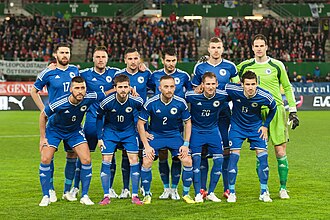
Key Facts
- FIFA Code: BIH
- Home Stadium: Bilino Polje (Zenica)
- All-time Top Scorer: Edin Džeko (73 goals)
- Most Capped Player: Edin Džeko (151 caps)
- World Cup Appearances: 2 (2014, 2026)
- Highest FIFA Ranking: 13th (August 2013)
- Current Head Coach: Sergej Barbarez
Historical Milestones and World Cup Journeys
Bosnia and Herzegovina played its first international match on November 30, 1995, facing Albania in Tirana, which ended in a 2–0 defeat. Despite a humble start, the team quickly climbed the FIFA rankings, reaching a peak of 13th in August 2013.
The 2014 FIFA World Cup
The nation achieved a historic milestone by qualifying for the 2014 FIFA World Cup. Their campaign was highlighted by a memorable 3–1 victory over Iran, marking the country's first-ever win at a World Cup finals.
The 2026 FIFA World Cup
The team returned to the world stage in 2026 after a dramatic qualification process. They secured their spot by defeating Italy 4–1 on penalties following a 1–1 draw in the UEFA Play-offs final on March 31, 2026. During the tournament, they advanced to the Round of 32 after a strong group stage performance, including a 3–1 win over Qatar.
Team Legends and Leadership
The identity of the national team has been shaped by iconic figures. Edin Džeko stands as the most influential player in the team's history, holding the records for both most caps (151) and most goals (73). Džeko has served as the team captain since 2014, leading the squad through multiple eras.
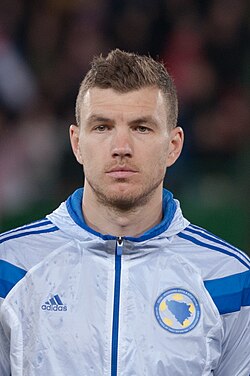
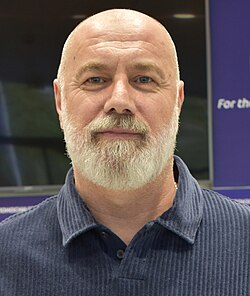
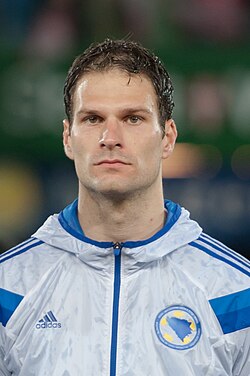
Other pivotal figures include Asmir Begović, who holds the record for the most clean sheets, and Sergej Barbarez, a former star striker who has now transitioned into the role of head coach.
Stadiums and Kit History
While the team utilizes several venues, Bilino Polje in Zenica serves as the primary home stadium. Other frequently used venues include the Koševo Stadium and Stadion Grbavica, both located in Sarajevo.
The team's kit has seen various manufacturers over the decades. Adidas served as the primary provider for several periods, including 1996–1999 and 2000–2005, before the team transitioned through other partners to their current setup.
Performance Summary
| Category | Detail |
|---|---|
| First International Match | vs Albania (Nov 30, 1995) |
| Largest Victory | 8–1 vs Lithuania (Sept 7, 2012) |
| Biggest Defeat | 0–7 vs Germany (Nov 16, 2024) |
| Major Tournament Best | Round of 32 (World Cup 2026) |
| Minor Tournament Title | Kirin Cup (2016) |
Frequently Asked Questions
Who is the all-time leading goal scorer for Bosnia and Herzegovina?
Edin Džeko is the all-time top goal scorer with 73 goals in 151 appearances.
Which stadiums does the national team use as home grounds?
The primary home stadium is Bilino Polje in Zenica, though the team also plays at Koševo Stadium and Stadion Grbavica in Sarajevo.
When did Bosnia and Herzegovina first qualify for the FIFA World Cup?
The team first qualified for the FIFA World Cup in 2014.
What are the nicknames of the national team?
The team is known as the Zmajevi (The Dragons) and the Zlatni Ljiljani (Golden Lilies).
Who is the current head coach of the team?
The current head coach is Sergej Barbarez.