Bonaire: A Caribbean Gem of the Netherlands
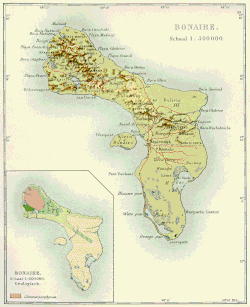
Bonaire, known in Papiamentu as Boneiru, is a stunning island located in the Caribbean, approximately 80 kilometres (50 mi) off the coast of Venezuela. As a special municipality of the Netherlands, it offers a unique blend of European administration and vibrant Caribbean culture. From its world-renowned diving reefs to its arid landscapes and salt pyramids, Bonaire is a destination defined by its commitment to nature and its rich colonial history.
The island's identity is encapsulated in its anthem, "Tera di Solo y Suave Biento," which translates to "Land of Sun and Gentle Breeze." Today, it serves as a sanctuary for both wildlife and travelers seeking a slower pace of life.
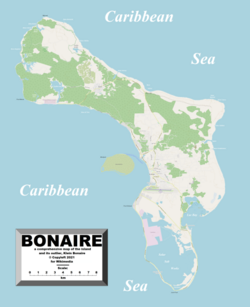
Key Facts
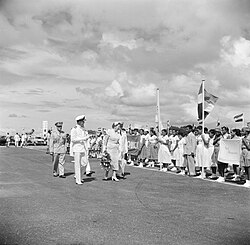
- Status: Special municipality of the Netherlands (since October 10, 2010).
- Capital: Kralendijk.
- Official Languages: Papiamentu and Dutch.
- Currency: United States Dollar (USD).
- Total Area: 288 km² (main island) plus 6 km² (Klein Bonaire).
- Population: 26,552 (as of January 1, 2025).
- Geography: Includes the southernmost point of the Kingdom of the Netherlands.
Geography and Natural Wonders
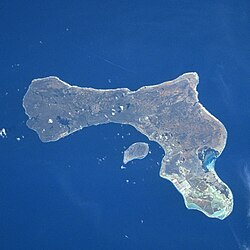
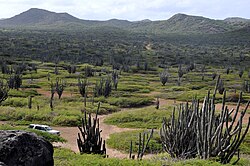
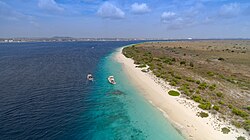
Bonaire is characterized by its diverse ecosystems, ranging from rugged coastlines to interior caves. The main island is accompanied by Klein Bonaire, a small, uninhabited island off the west coast that remains undeveloped to protect its natural state.
Protected Areas and Ecology
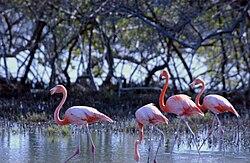
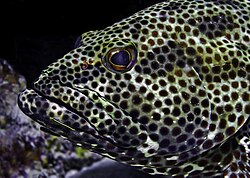
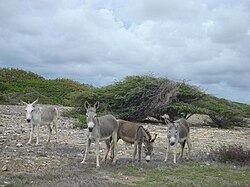
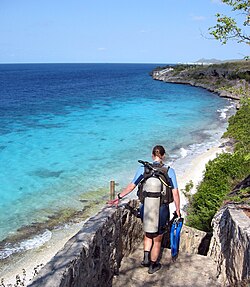
The island is a leader in environmental conservation. The Bonaire National Marine Park is a global destination for recreational diving and snorkelling, protecting the pristine coral reefs that surround the island. On land, the Washington Slagbaai National Park preserves the island's wild interior, while the southern end of the island hosts a sanctuary for American flamingos.
Other significant ecological sites include Lac Bay, Pekelmeer, and the Washikemba–Fontein–Onima Important Bird Area. The island's commitment to sustainability is further evidenced by initiatives to transition toward 100% renewable electricity.
History and Culture
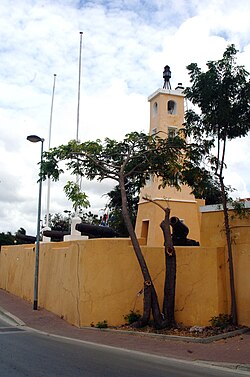
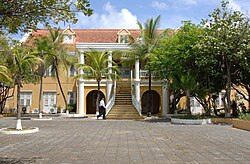
Bonaire's history is a tapestry of indigenous roots, Spanish influence, and Dutch colonization. The Dutch period left a lasting mark on the island's architecture and governance, exemplified by Fort Oranje, built in 1639 in Kralendijk.
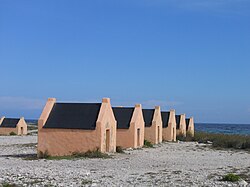
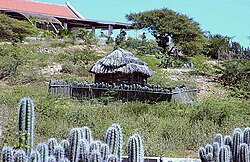
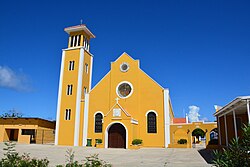
The island's social history includes a period of plantations and the subsequent struggle for emancipation. Today, the town of Rincon stands as a testament to the island's heritage, featuring traditional houses and the St. Louis Bertrand Catholic church.
Language and Demographics
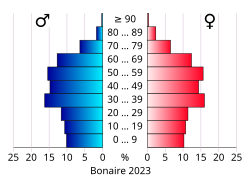
The population is linguistically diverse. Papiamentu, a regional language, is spoken by the vast majority (88.4% fluency) and is officially recognized. Dutch, Spanish, and English are also widely spoken, reflecting the island's international connections.
Economy and Infrastructure
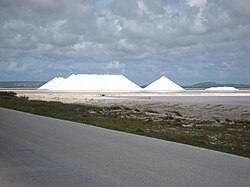
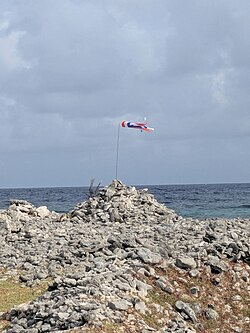
Bonaire's economy has evolved from traditional industries to a service-oriented model driven by tourism. Historically, salt production was a cornerstone of the economy, with the Cargill Salt works creating the iconic salt pyramids seen today.
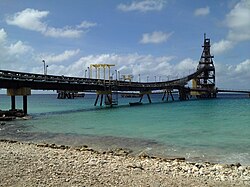
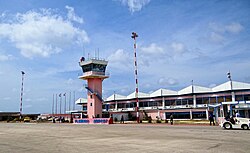
Modern economic drivers include oil storage and shipment, as well as a thriving tourism sector. The island is renowned as a "divers paradise," attracting visitors from around the world to its shore-diving sites. Transportation is facilitated by the Flamingo Airport and a network of roads connecting the main population centers.
Main Population Centers
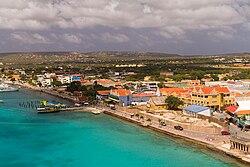
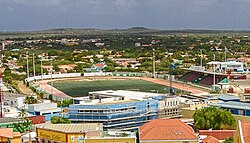
The majority of the population resides in and around the municipal seat of Kralendijk. The distribution of residents across the main settlements is as follows:
| Settlement | Population |
|---|---|
| Kralendijk | 10,620 |
| Antriol | 3,811 |
| Nikiboko | 3,058 |
| Playa (Kralendijk Centre) | 2,571 |
| Rincon | 1,875 |
| Tera Kora | 1,568 |
| Nort di Saliña | 1,217 |
Frequently Asked Questions
What is the political status of Bonaire?
Bonaire is a special municipality of the Netherlands. It became directly incorporated into the Netherlands on October 10, 2010, following the dissolution of the Netherlands Antilles.
What currency is used on the island?
The official currency used in Bonaire is the United States Dollar (USD).
Which languages are spoken in Bonaire?
The official languages are Papiamentu and Dutch. Papiamentu is the most widely spoken language among the local population, while English and Spanish are also common.
What are the best activities for tourists in Bonaire?
Bonaire is most famous for scuba diving and snorkelling, particularly within the Bonaire National Marine Park. Other popular activities include visiting Washington Slagbaai National Park, exploring the salt pans, and visiting the historic town of Rincon.
Is Klein Bonaire inhabited?
No, Klein Bonaire is a small, uninhabited island located off the west coast of the main island and is kept undeveloped to preserve its natural environment.