Boeing: A Comprehensive Overview of the Aerospace Giant
Founded over a century ago, Boeing has evolved from a small Seattle-based operation into one of the world's most influential aerospace companies. As a public entity traded on the NYSE under the symbol BA, Boeing is a cornerstone of the global aviation industry, serving as a primary component of the DJIA, S&P 100, and S&P 500 indices.
From the early days of the Pacific Aero Products Co. to its current status as a global leader in commercial and military flight, the company has shaped the way the world moves. Today, Boeing operates through three primary divisions: Commercial Airplanes, Defense, Space & Security, and Global Services.
Key Facts
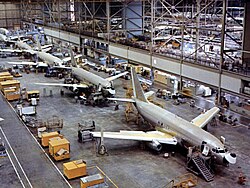
- Founded: July 15, 1916, in Seattle by William E. Boeing.
- Headquarters: Crystal City, Virginia.
- Leadership: Kelly Ortberg (President and CEO) and Steve Mollenkopf (Chair).
- Workforce: 182,000 employees (as of 2025).
- 2025 Financials: US$ 89.5 billion in revenue with a net income of US$ 2.24 billion.
- Production (2025): 600 commercial aircraft, 127 military aircraft, and 4 satellites.
Corporate Structure and Operations
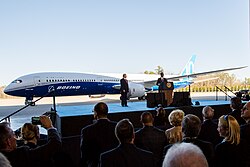
Boeing's business model is diversified across three core sectors to maintain stability and innovation in the aerospace market. The Commercial Airplanes division focuses on passenger and cargo jets, while Defense, Space & Security handles military contracts and satellite technology. The Global Services arm provides support and maintenance for these platforms.
The company manages a vast network of subsidiaries, including Aurora Flight Sciences, Insitu, Jeppesen, and Spirit AeroSystems, ensuring a vertically integrated approach to aircraft design and production.

Manufacturing Hubs
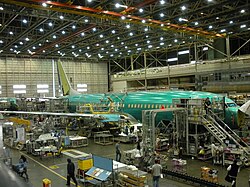
Boeing maintains massive production facilities across the United States. The Boeing Everett Factory serves as the primary assembly site for wide-body aircraft, while the Renton Factory is critical for narrow-body production.
Financial Performance and Growth
Boeing's financial trajectory has seen significant volatility over the last two decades, particularly between 2019 and 2024. While the company reached a revenue peak of US$ 101 billion in 2018, it faced substantial net losses during the early 2020s due to pandemic-related travel declines and safety crises.
By 2025, the company showed signs of recovery, reporting a net income of US$ 2.24 billion and total assets valued at US$ 168.2 billion.
| Year | Revenue (Billion US$) | Net Income/Loss (Billion US$) | Employees |
|---|---|---|---|
| 2018 | 101.0 | 10.4 | 153,000 |
| 2020 | 58.1 | (11.9) | 141,014 |
| 2022 | 66.6 | (5.1) | 156,000 |
| 2024 | 66.5 | (11.8) | 172,000 |
| 2025 | 89.5 | 2.2 | 182,000 |
Safety Challenges and Controversies
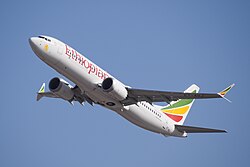
In recent years, Boeing has faced intense scrutiny regarding safety defects and aircraft crashes. The most prominent of these involved the 737 MAX, which led to global groundings following tragic accidents involving Lion Air and Ethiopian Airlines.
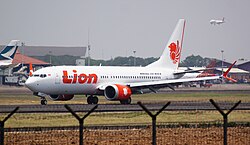
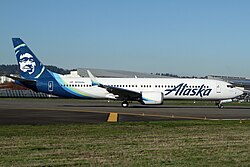
Further challenges emerged with Alaska Airlines Flight 1282, prompting increased oversight from the Federal Aviation Administration (FAA) and audits of the 737 MAX 9 production lines.
Defense and Political Impact
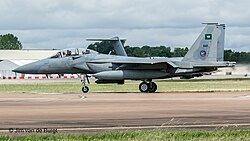
Beyond commercial aviation, Boeing's defense contracts have drawn criticism. The sale of F-15S/SA jetfighters to Saudi Arabia, utilized in the Yemeni civil war, has been a point of contention regarding war profiteering and international sanctions.
Frequently Asked Questions
Who is the current CEO of Boeing?
As of 2024, Kelly Ortberg serves as the President and CEO of The Boeing Company.
What are the main divisions of Boeing's business?
Boeing is divided into three primary business units: Commercial Airplanes, Defense, Space & Security, and Global Services.
Where is Boeing's global headquarters located?
The company's global headquarters are located in Crystal City, Virginia.
How many employees does Boeing have?
As of 2025, Boeing employs approximately 182,000 people worldwide.
What happened with the 737 MAX aircraft?
The 737 MAX faced global groundings and intense regulatory scrutiny following safety defects and crashes involving Lion Air and Ethiopian Airlines, leading to significant financial losses and FAA audits.