Black Catholicism: History, Faith, and Culture in America
Black Catholicism, also known as African-American Catholicism, represents the unique intersection of African-American identity, beliefs, and spiritual practices within the Catholic Church. In the United States, there are approximately three million Black Catholics. While they comprise about 4% of the total American Catholic population, they represent 6% of all African Americans, the majority of whom identify as Protestant.
The community is characterized by a rich immigrant tapestry: 68% were born in the United States, 12% in Africa, 11% in the Caribbean, and 5% in Central or South America. Historically, many Black Catholics worshiped in parishes established during the Jim Crow era—a period of systemic racial segregation—though others formed naturally within Black communities or emerged as a result of "white flight" during the Great Migration.
Key Facts
- Population: Approximately 3 million Black Catholics in the U.S.
- Diversity: A significant immigrant presence from Africa, the Caribbean, and Latin America.
- Pioneers: Venerable Augustus Tolton was the first openly Black Catholic priest in the U.S.
- Liturgical Shift: The transition from Latin Mass to the integration of Negro spirituals and Gospel music.
- Key Institutions: The Josephites and the National Black Catholic Congress play central roles in ministry and advocacy.
The Evolution of Black Catholic Identity
From Tradition to Revolution
Prior to the Second Vatican Council, Black Catholics followed the standard Latin Mass used by the Western Church, with little distinction in liturgy. However, the 1950s saw innovators like Clarence Rivers begin integrating Negro spirituals into the Mass. This evolution accelerated during the late 1960s and 1970s, coinciding with the Black Power movement.
This era, often called the "Black Catholic Revolution" or "Black Catholic Revolt," fostered a new Black Consciousness among clergy, religious sisters, and laypeople. This period saw the birth of Black Catholic studies and the establishment of the Gospel Mass as a staple of parish life, reclaiming Black Christian spirituality as a valid expression of Catholic faith.
Historical Foundations and the Missions Era
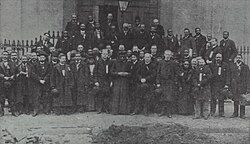
The roots of Black Catholicism stretch back to the Biblical era and the Kingdom of Kongo. In North America, early influences came from Spanish and French colonization. During the Antebellum and Civil War eras, figures like Pierre Toussaint and Father Claude Maistre helped establish the first parishes and religious orders.
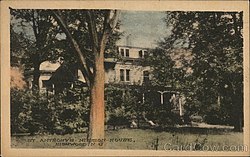
Between the 1890s and 1950s, the "Missions era" saw the rise of the Josephites and the creation of integrated institutions. The Society of African Missions founded St. Anthony's Mission House in 1921 as a racially integrated minor seminary in New Jersey.
Civil Rights and the Modern Era
The Civil Rights movement of the 1950s and 60s further pushed the Church toward integration and racial justice. By the 1980s and 90s, the movement matured with the emergence of notable Black bishops and the exploration of a distinct Black Catholic rite. In the 21st century, the community continues to influence the broader American Church through theology, academic research, and leadership, including the appointment of Cardinal Wilton Gregory.
Cultural and Spiritual Practices
Black Catholicism is distinguished by its vibrant integration of culture and faith. This is most evident in worship, where Gospel music, jazz, and traditional Black preaching styles are blended with Catholic liturgy. These practices are not merely musical choices but are seen as theological expressions of the Black experience.
Prominent Institutions and Orders
Several religious orders have focused specifically on Black ministry or maintain predominantly Black membership, including:
- Oblate Sisters of Providence
- Sisters of the Holy Family
- Society of St. Joseph of the Sacred Heart (Josephites)
- Sisters of the Blessed Sacrament
| Category | Detail |
|---|---|
| U.S. Population | ~3 Million |
| % of U.S. Catholics | 4% |
| % of African Americans | 6% |
| Primary Birthplaces | USA (68%), Africa (12%), Caribbean (11%), Central/South America (5%) |
| Key Liturgical Style | Gospel Mass / Jazz integration |
Notable Figures in Black Catholicism
The history of the faith is marked by individuals who broke barriers in the priesthood, academia, and public life.
- Saints and Venerables: Venerable Augustus Tolton, Venerable Pierre Toussaint, and Venerable Henriette DeLille.
- Ecclesiastical Leaders: Cardinal Wilton Gregory and Archbishop Eugene Marino.
- Activists: Homer Plessy and Diane Nash.
- Artists: Toni Morrison, Billie Holiday, and Amanda Gorman.
Frequently Asked Questions
What is a Gospel Mass?
A Gospel Mass is a Catholic liturgical celebration that integrates Black Gospel music and spirituals into the Mass, reflecting the cultural and spiritual heritage of the African-American community.
Who was Father Augustus Tolton?
Father Augustus Tolton was the first openly Black Catholic priest in the United States, serving as a pioneer for Black clergy during a time of intense racial segregation.
What was the Black Catholic Movement?
The Black Catholic Movement was a period of spiritual and cultural awakening in the late 1960s and 1970s that sought to integrate Black consciousness, music, and theology into the Catholic Church.
How do Black Catholics differ from the general Catholic population in the U.S.?
While sharing the same core theology, Black Catholics often have a distinct liturgical experience (such as the Gospel Mass) and a demographic profile with higher percentages of immigrants from Africa and the Caribbean.
What are some key pilgrimage sites for Black Catholics?
Important sites include the Our Mother of Africa Chapel in Washington, D.C., the St. Martin de Porres National Shrine in Memphis, and the graves of Venerable Augustus Tolton and Pierre Toussaint.