Biological Type Specimens and the Science of Nomenclature
In the vast field of biology, precision is paramount. When scientists discover a new organism, they cannot simply describe it in general terms; they must anchor the scientific name to a physical reference. This is the role of a type—a specific specimen or group of specimens to which the scientific name of an organism is formally associated. By serving as a central reference point, the type ensures that the defining features of a taxon (a scientifically named grouping of organisms) remain consistent and verifiable.
A taxon is established through a detailed published description and the provision of type material. This material is typically housed in major museum research collections or herbaria, allowing other scientists to examine the physical evidence and determine if other specimens belong to the same group.
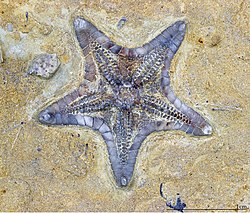
Key Facts
- Type Specimen: The physical example (specimen, illustration, or culture) that anchors a scientific name.
- Holotype: The single specimen designated by the original author as the nomenclatural type.
- Taxon: A named group of organisms based on a published description and type material.
- Type Locality: The specific geographical location where the type specimen was originally discovered.
- Type Host: In parasitology, the host organism from which the type specimen was obtained.
The Nature of Type Material
Depending on the specific nomenclature code being used, a type can take several forms. While most commonly a preserved specimen, it may also be a culture, a detailed illustration, or, in the case of bacteriology, a formal description.
For example, the Natural History Museum in London holds a bird specimen (numbered 1886.6.24.20) of the spotted harrier, known scientifically as Circus assimilis. This specimen is the holotype; by definition, the name Circus assimilis refers to the species represented by this specific bird. This system allows researchers to resolve disputes over species identity by returning to the original material.
Botanical Nomenclature
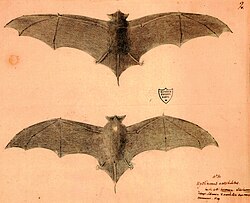
In botany, a type is the element to which a taxon's name is permanently attached. This is usually a preserved plant in a herbarium. However, illustrations are permitted in specific cases, such as when a specimen is only visible via microscope and a physical slide might be too fragile or difficult to navigate.
Botanical rules dictate that only species or infraspecific taxa have their own types. Higher ranks are linked: a genus shares the type of one of its species, and a family shares the type of one of its genera.
Zoological Nomenclature
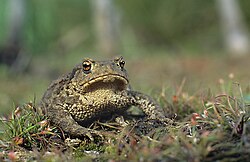
In zoology, the type of a species or subspecies is a specimen or a series of specimens. For higher classifications, the type of a genus is a species, and the type of a suprageneric taxon (like a family) is a genus. Names above the superfamily rank do not utilize types.
Categories of Type Specimens
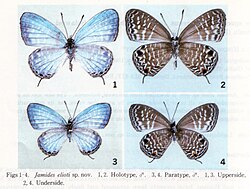
Because many species were described centuries ago before modern standards were established, several categories of types exist to handle lost material or ambiguous descriptions.
| Type Term | Definition | Context of Use |
|---|---|---|
| Holotype | The single specimen designated as the type. | Original description |
| Lectotype | A specimen chosen from original material to be the type. | When holotype is lost or wasn't named |
| Isotype | A duplicate of the holotype. | Botanical nomenclature |
| Syntype | Any specimen cited in the original description. | When no holotype was designated |
| Paratype | Additional specimens cited in the original description. | Supplementary representatives |
| Neotype | A new specimen selected to replace a lost type. | Exceptional need for clarification |
| Epitype | A specimen selected to clarify critical features. | When other types are ambiguous |
The Case of Homo sapiens
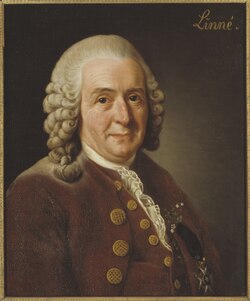
The designation of types can sometimes lead to historical curiosity. For Homo sapiens, Carl Linnaeus is formally recognized as the lectotype. This designation occurred in 1959 when Professor William Stearn noted that Linnaeus, having studied himself extensively through his autobiographies, was the most appropriate specimen to represent the species described in Linnaeus's own Systema Naturae.
Specialized and Informal Terms
- Iconotype: An illustration that serves as the basis for a new species, such as the Burmese python (Python bivittatus) based on 1734 illustrations by Albertus Seba.
- Hypotype: A specimen with previously published details used in supplementary figures.
- Kleptotype: An informal term for a type specimen that has been stolen or improperly relocated.
Frequently Asked Questions
What happens if a holotype is destroyed?
If a holotype is lost or destroyed, scientists may designate a lectotype from the original material used in the description. If no original material exists, a neotype may be selected, though the International Code of Zoological Nomenclature (ICZN) requires an "exceptional need" for such a designation.
Can a drawing be a type specimen?
Yes. In botany, illustrations can serve as types for microscopic organisms where physical slides are impractical. In zoology, these are referred to as iconotypes.
What is the difference between a holotype and a paratype?
The holotype is the single, name-bearing specimen that defines the species. Paratypes are additional specimens cited in the original description to show variation within the species, but they are not the primary name-bearing types.
Why is a type genus important?
A type genus is the genus from which the name of a family or subfamily is derived. It provides the objective standard for the family name, even if that genus later becomes a synonym for another.
What is a type locality?
The type locality is the specific geographical place where the original type specimen was collected. This helps researchers find additional specimens of the same species in the wild.