Biodiversity Heritage Library: The World's Largest Open-Access Digital Archive for Natural History
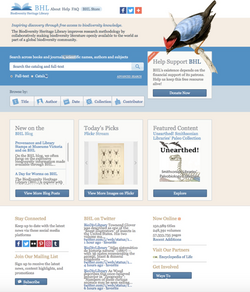
The Biodiversity Heritage Library (BHL) stands as the premier global open-access digital repository for biodiversity literature and archives. Since its inception in 2006, it has grown into a massive collaborative effort, uniting natural history, botanical, research, and national libraries to preserve and share the scientific record of life on Earth.
By digitizing vast collections of natural history literature, BHL ensures that critical scientific knowledge is not only preserved but also made freely available to a global "biodiversity community." This community includes researchers, publishers, bioinformaticians, and information technology professionals working together to improve the accessibility and reuse of biological data.
Key Facts
- Scale: Contains over 59 million pages from the 15th to the 21st centuries.
- Access: Completely free and open-access for all users worldwide.
- Scope: Covers books, journals, trade articles, magazines, and newsletters.
- Global Reach: Includes regional nodes in Australia, Brazil, and China.
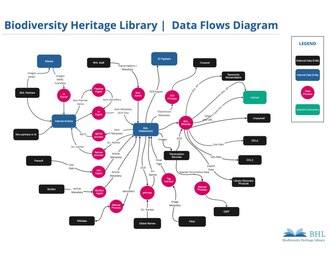
- Functionality: Provides APIs and data exports for research and interoperability.
A Global Consortium of Knowledge
BHL operates through a worldwide consortium. What began as a collaboration between ten institutions has expanded to include fourteen core members. These founding and expanding members include prestigious organizations such as the Smithsonian Institution, the Natural History Museum in London, the New York Botanical Garden, and the Royal Botanic Gardens, Kew.
The project has seen significant international expansion. While the core group is often referred to as BHL-US/UK, the broader initiative is known as BHL-Global. Regional efforts have also emerged, such as the Atlas of Living Australia node, and projects in Brazil and China, all working to share digital preservation practices and content.
Technical Features and Taxonomic Intelligence
To make this massive volume of data useful, BHL utilizes advanced digital tools. The portal features JPEG2000 images, which allow for high-resolution zooming and panning, and integrates the Google Maps API for geospatial context. Through Global Names Architecture, BHL provides taxonomic intelligence tools that index names throughout the collection, enabling researchers to quickly locate publications regarding specific taxa (biological groups).
Governance and Evolution
The library is managed by a Secretariat, historically headquartered at the Smithsonian Libraries and Archives in Washington, D.C. An elected Executive Committee provides strategic direction. Following a period of leadership under directors such as Martin R. Kalfatovic, the organization is currently navigating a transition period. In April 2025, it was announced that the Smithsonian will cease hosting BHL's administrative functions effective January 1, 2026.
Recognition and Scientific Impact
The importance of BHL to the scientific community has been recognized through numerous prestigious awards. It has received the John Thackray Medal for achievements in natural history bibliography and the Charles Robert Long Award of Extraordinary Merit from the Council on Botanical and Horticultural Libraries. Its technological impact was also honored by the Internet Archive as an "Internet Hero."
The library's impact is even reflected in biological nomenclature. In recognition of its services to taxonomists, two species have been named after the library: the snail Vargapupa biheli and the fossil robber fly Kishenehnoasilus bhl.
Summary of BHL Specifications
| Feature | Details |
|---|---|
| Founded | 2006 |
| Cost | Free |
| Content Depth | Index and full-text |
| Page Count | Over 59 million pages |
| Time Coverage | 15th–21st centuries |
| Geospatial Coverage | Worldwide |
Frequently Asked Questions
Is the Biodiversity Heritage Library free to use?
Yes, BHL is a free, open-access digital library designed to make biodiversity literature available to everyone worldwide.
What kind of documents can I find in the collection?
The collection includes a wide variety of formats, such as books, scientific journals, trade and magazine articles, and newsletters.
How does BHL help researchers find specific species information?
BHL uses taxonomic intelligence tools developed by Global Names Architecture to index taxonomic names, allowing users to search for and locate publications about specific taxa.
What is the difference between BHL-US and BHL-Global?
BHL-US typically refers to the core US/UK project, while BHL-Global refers to the entire international network of partners and regional nodes working together.
Can I download data from the library for my own research?
Yes, BHL provides a range of services, including data exports and APIs, which allow users to download content and harvest source data files for research purposes.